
Chile elected a populist, right-wing president Sunday, reportedly delivering a decisive victory for José Antonio Kast and marking another major turn to the right in South America — a region the Trump administration has openly sought to reassert influence over.
Kast defeated his left-wing communist opponent, Jeanette Jara, with 58% of the vote, a commanding margin that underscored voter frustration with crime, economic stagnation, and years of political instability. The result places Chile alongside neighboring countries that have recently rejected leftist leadership in favor of conservative and populist alternatives.
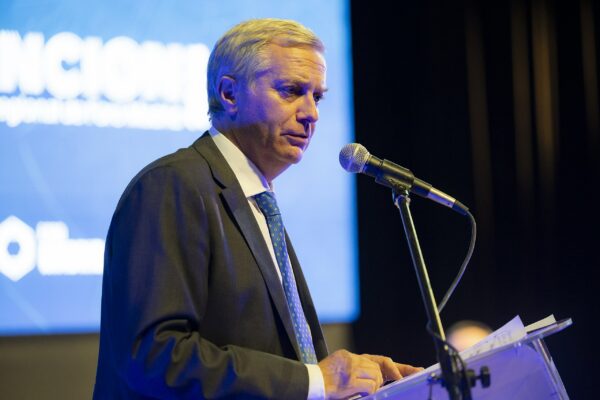
In his victory speech Sunday night, Kast promised a sharp break from the policies of the past. “Chile will once again be free from crime, free from anguish, free from fear,” he said. “Criminals, delinquents — their lives are going to change. We’re going to look for them, find them, judge them and then we’re going to lock them up.”
Kast has repeatedly expressed admiration for President Donald Trump and publicly praised Trump’s 2024 election victory, calling it “a new victory for freedom and common sense.” His law-and-order rhetoric, emphasis on national sovereignty, and rejection of socialist economics echo themes that have resonated with voters across the region.
By contrast, Jara attempted to distance herself from the historical record of communism, arguing in 2024 that Cold War perceptions of the ideology are “not representative of the current situation.” That message failed to persuade a majority of Chilean voters, who instead opted for a candidate promising firm action against crime and economic decline.
Chile’s election did not happen in isolation. The country joins Argentina, where Javier Milei secured a decisive victory, and Bolivia, where Rodrigo Paz also won this year. Together, the results suggest a broader realignment across South America as voters reject left-wing governance amid economic stagnation and rising insecurity.
Chile has struggled with weak investment, low productivity, and sluggish growth in recent years. Those economic pressures fueled widespread political unrest and prompted repeated efforts to rewrite the nation’s constitution. Two proposed constitutional changes have failed, leaving the country mired in uncertainty and contributing to voter appetite for a dramatic shift in leadership.
Kast’s win reflects that desire for stability and reform. His message focused heavily on restoring public order and reviving economic confidence — priorities that appear to have cut across class and regional lines.
The election outcome could also carry geopolitical implications. With a growing number of conservative governments emerging in South America, the Trump administration’s goal of strengthening U.S. influence in the Western Hemisphere appears increasingly attainable.
When asked for comment, the White House deferred to public statements from Secretary of State Marco Rubio, signaling that the administration is closely watching developments in the region.
For Chile, the result represents a clear break from leftist governance and a mandate for tougher policies on crime and the economy. For South America more broadly, Kast’s victory adds to mounting evidence that voters are turning away from socialism and embracing leaders who promise security, growth, and national renewal.
[READ MORE: Belarus Releases Dozens of Political Prisoners After Trump Envoy Secures Sanctions Relief]