

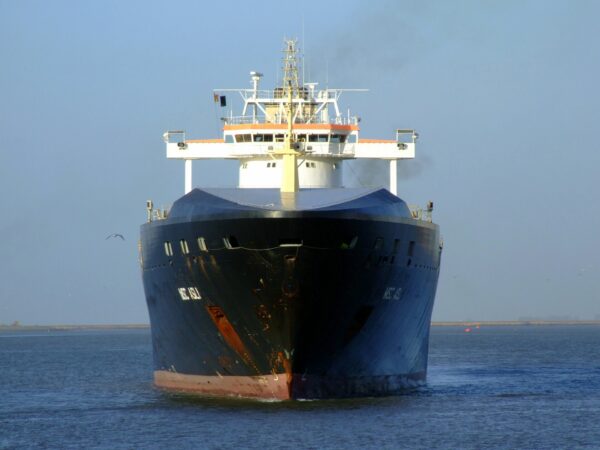
British forces acted decisively this week after a Russian vessel entered sensitive waters and anchored alarmingly close to undersea cables that serve as a backbone for global communications between Europe and North America.
According to reporting, the Russian cargo ship Sinegorsk sailed into the Bristol Channel late Tuesday and dropped anchor roughly two miles off the southwest coast of England. The move immediately drew concern from British officials, as the ship’s position placed it less than a mile from several critical subsea data cables responsible for carrying enormous volumes of internet and communications traffic linking the United Kingdom, the United States, Canada, and parts of Europe.
The Russian crew reportedly told authorities the ship had stopped to carry out what they described as “essential safety repairs.” British officials were not persuaded. Given the sensitivity of the location, authorities ordered the vessel to leave the area. When the ship failed to depart promptly, the Royal Navy escalated the situation Wednesday afternoon by deploying a Wildcat helicopter. Shortly after the helicopter arrived on the scene, the Sinegorsk raised anchor and headed back out to sea.
A spokesperson for the Ministry of Defence underscored the seriousness of the situation, stating that the United Kingdom remains acutely aware of the threat posed by Russia, including efforts to map undersea cables, networks, and pipelines belonging to Britain and its allies. The spokesperson said those threats are being confronted directly.
The anchoring location raised particular alarm because of its proximity to five major undersea cables, all within roughly three-quarters of a mile. These cables include direct links between the U.K. and New York, connections to Canada’s major telecommunications hub in Nova Scotia, and critical routes linking Britain to Spain and Portugal. Damage or disruption to any of these lines could have significant consequences for international communications and data flows.
While the Sinegorsk is not under U.K. sanctions and is not believed to be part of Russia’s so-called shadow fleet, Western governments have increasingly associated Russian vessels with questionable activity near key undersea infrastructure. The incident fits into a broader pattern that has heightened concerns among NATO countries and their partners.
In a related case, Finnish authorities arrested the crew of a Russian tanker in 2025 following damage to cables running between Finland and Estonia. More recently, Britain tracked the Russian vessel Yantar, which the Ministry of Defence identified as a spy ship, further reinforcing worries about Moscow’s interest in undersea assets.
A spokesperson for the U.K. Department for Transport said Britain continues to take strong action against Russian-flagged ships, while also working to deter, disrupt, and degrade the shadow fleet through tougher responses and sanctions. Russia is estimated to operate hundreds of vessels in this shadow fleet, which allows it to export oil despite international sanctions. These ships are known to conceal or falsify their location data and to conduct ship-to-ship transfers at sea to hide the origins of their cargo.
The issue is not limited to Europe. On Jan. 7, American forces seized a sanctioned oil tanker flying a Russian flag after a weeks-long pursuit, following the vessel’s attempt to evade a blockade of Venezuela. Together, these incidents highlight growing Western vigilance toward Russian maritime activity near critical infrastructure.