
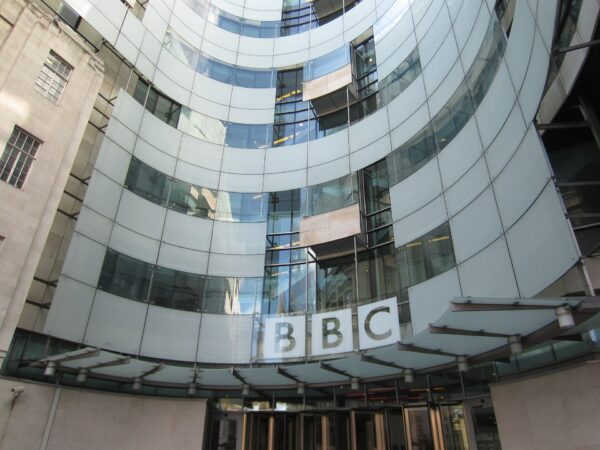
A federal judge on Thursday declined to halt discovery in President Donald Trump’s $10 billion defamation lawsuit against the BBC, clearing the way for both sides to begin exchanging evidence in the high-stakes case.
U.S. District Judge Roy Altman rejected the British broadcaster’s request to pause the discovery process, ruling that the application was premature. In his written order, Altman said the BBC had not demonstrated that it would suffer prejudice if the court denied a stay.
The decision represents a key procedural victory for Trump as he presses forward with his lawsuit against Britain’s publicly owned broadcaster. The president alleges that certain BBC clips falsely suggested he directed supporters to storm the U.S. Capitol on January 6, 2021.
By allowing discovery to move ahead, the court has effectively opened the door for both parties to begin formally exchanging evidence, a critical phase in any major civil lawsuit. Discovery can include the production of documents, communications, and other materials relevant to the claims and defenses in the case.
In a separate order, Judge Altman also set a two-week trial date for February 2027, signaling that the court intends to move the case forward on a defined timeline.
The BBC had sought to delay the discovery process, but the court concluded that the broadcaster had not shown sufficient grounds to justify such a pause. Altman’s ruling makes clear that, at least for now, the case will proceed without interruption.
Trump’s lawsuit centers on allegations that the BBC defamed him by airing or publishing clips that, according to his complaint, falsely portrayed him as directing or inciting supporters to storm the Capitol during the events of January 6. The president is seeking $10 billion in damages.
The judge’s refusal to halt discovery means the BBC will now be required to engage in the standard pretrial process, which could involve turning over internal communications and other materials related to the reporting at issue.
While the ultimate outcome of the case remains years away, Thursday’s ruling underscores that the court is not inclined to delay proceedings at this stage. By denying the BBC’s motion and scheduling a trial date, the judge has set the lawsuit on a clear path toward a full airing of the dispute in federal court.
For Trump, the decision marks an early but notable win in his legal battle against a major international media organization. For the BBC, it means the broadcaster will have to defend its reporting in the discovery phase as the case moves closer to trial.
With a two-week trial now set for February 2027, the stage is set for a prolonged legal fight over whether the broadcaster’s coverage crossed the line into defamation.