
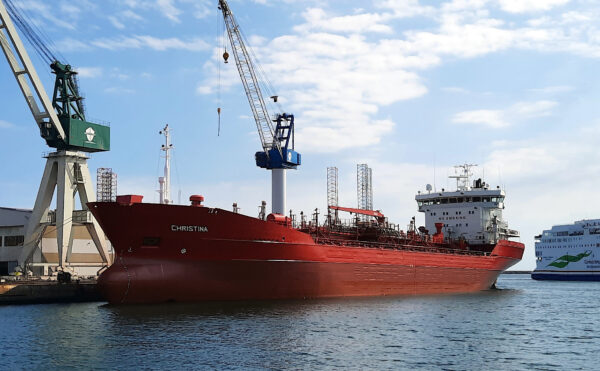
Two Mexican Navy ships docked in Cuba on Thursday, delivering hundreds of tons of humanitarian aid to the island nation as it grapples with a severe energy crisis intensified by mounting U.S. economic pressure.
According to the Associated Press, the vessels carried substantial food supplies. One ship transported 536 tons of food, including milk, beans, sardines, and cookies. The second delivered approximately 277 tons of powdered milk. The shipment arrives at a critical moment for Cuba, which has been forced to impose increasingly strict rules on the use of its dwindling fuel reserves.
The aid comes just weeks after President Donald Trump ramped up pressure on the Cuban economy, threatening tariffs on any country that supplies oil to the communist-led government in Havana. The move is part of a broader strategy aimed at squeezing the regime financially.
Mexico’s assistance fulfills a prior commitment to support Cuba even as Washington intensifies its economic campaign. Mexican President Claudia Sheinbaum has signaled that she would like to expand support for Cuba but has emphasized that she does not want to violate the longstanding U.S. oil blockade.
As the ships prepared to return home, Sheinbaum indicated that more assistance could be on the way. “As soon as the ships return, we will send more support of different kinds,” she said Thursday, according to The Guardian. At the same time, she is navigating what observers describe as a delicate balancing act between maintaining solidarity with Cuba and avoiding direct confrontation with the United States.
Cuban historian Rafael Rojas told The Guardian that Mexico’s position reflects a familiar diplomatic tension. “The energy pressure that Trump is exerting on Cuba places Mexico in a dilemma that is very characteristic of its entire history of diplomatic relations with the United States and Cuba,” Rojas said. “Mexico is yielding to the demands of the United States – and on the other hand it maintains its solidarity with the island.”
Cuba’s current energy crisis intensified after the U.S. arrest of former Venezuelan dictator Nicolás Maduro in early January. Following Maduro’s extradition to New York on drug trafficking charges, the United States took control of Venezuela’s oil exports. That action halted oil shipments to Cuba, cutting off Havana from its primary fuel supplier.
Almost immediately after Maduro’s arrest, Washington shifted its focus more directly toward Cuba. Senior Trump administration officials, including Secretary of State Marco Rubio, have made clear their opposition to the regime in Havana.
“I don’t think it’s any mystery that we are not big fans of the Cuban regime, who, by the way, are the ones that were propping up Maduro,” Rubio said the day after Maduro’s arrest.
Cuban agents had been embedded throughout Maduro’s government, and Cuban special forces reportedly served as the core of his personal guard.
With fuel supplies tightening and economic pressure mounting, Cuba now faces deepening challenges. Mexico’s humanitarian shipment offers temporary relief, but the broader geopolitical tug-of-war between Washington and Havana shows no signs of easing.