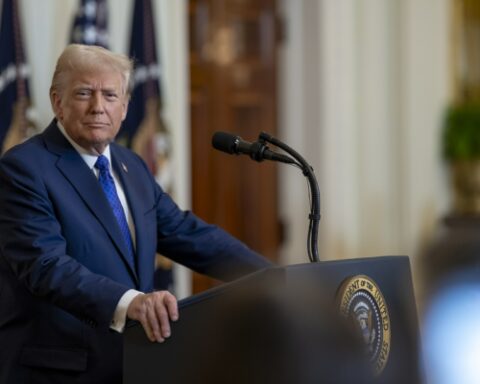

President Trump on Friday expressed optimism that negotiations with Iran over its nuclear program will succeed, but he made clear that failure is not an option without serious consequences for Tehran.
As the United States strengthens its military posture in the Middle East, the administration is simultaneously pursuing diplomatic talks with the Islamic Republic. Speaking to reporters at the White House before departing for Fort Bragg to honor military personnel involved in the Venezuela operation that led to the capture of former leader Nicolás Maduro, Trump struck a measured but firm tone.
“I think they’ll be successful,” Trump said of the negotiations. “And if they’re not, it’s going to be a bad day for Iran, very bad.”
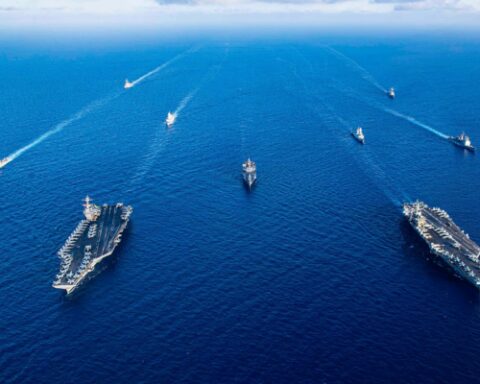
The president’s remarks come as the U.S. continues to project strength in the region. Trump confirmed that a second aircraft carrier he ordered to the Middle East would soon be departing, ensuring that American forces are positioned and ready should talks collapse.
“We have one out there that just arrived. If we need it, we’ll, well, we have it ready,” Trump said. “A big, a very big force.”
The buildup underscores the administration’s dual-track approach: diplomacy backed by unmistakable military readiness. While Trump has reiterated his preference to allow negotiations to play out, he has consistently paired that preference with warnings that the United States will not hesitate to act if necessary.
The president has previously condemned Iran’s leadership for what he described as the brutal treatment of anti-regime protesters. Since unrest erupted late last year, thousands have reportedly been killed. Trump has publicly criticized Tehran’s crackdown and signaled that Iran’s leadership should not mistake American patience for weakness.
In a recent interview with NBC News, Trump delivered a blunt message to Iran’s Supreme Leader, Ayatollah Ali Khamenei, saying the Islamic leader should be “very worried.”
So far, the ongoing nuclear talks have helped stave off direct U.S. attacks, even as tensions remain high. The administration appears determined to explore whether a negotiated agreement can be reached before considering further action.
Earlier this week, Trump met with Israeli Prime Minister Benjamin Netanyahu to discuss the state of negotiations with Tehran. Following that meeting, Trump clarified that no final decisions were made regarding the path forward.
“There was nothing definitive reached other than I insisted that negotiations with Iran continue to see whether or not a Deal can be consummated,” Trump wrote in a post on Truth Social. “If it can, I let the Prime Minister know that will be a preference.”
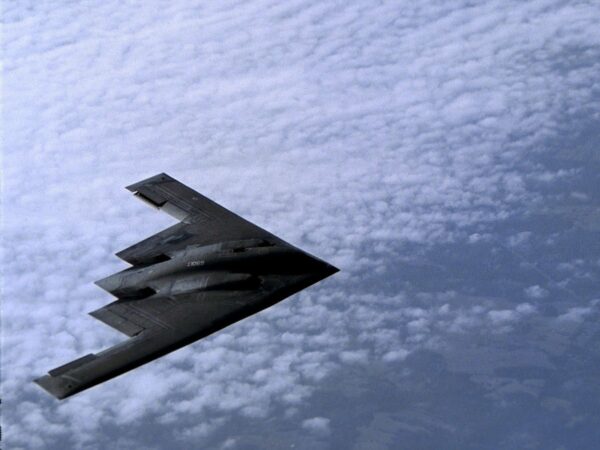
Still, Trump reminded observers of past consequences when Iran declined to make a deal. “Last time Iran decided that they were better off not making a Deal, and they were hit with Midnight Hammer — That did not work well for them,” he wrote. “Hopefully this time they will be more reasonable and responsible.”
As negotiations continue, the administration is making clear that diplomacy remains the first choice — but not the only one. With additional military assets moving into position and firm rhetoric directed at Tehran’s leadership, Trump is signaling that the United States stands ready to defend its interests and enforce its red lines if necessary.
[READ MORE: Mexican Navy Ships Deliver Aid to Cuba as Trump Tightens Economic Pressure]