
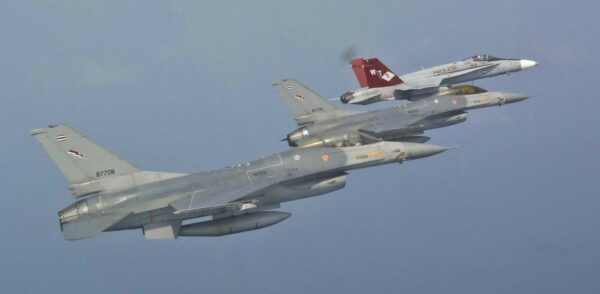
Just six weeks after Thailand and Cambodia signed a Trump-brokered peace agreement intended to end their generations-long border dispute, the Thai military launched airstrikes early Monday following deadly weekend clashes along the frontier.
The escalation raises questions about Cambodia’s commitment to the Kuala Lumpur Peace Accords and highlights the fragility of regional stability even after significant U.S. diplomatic intervention.
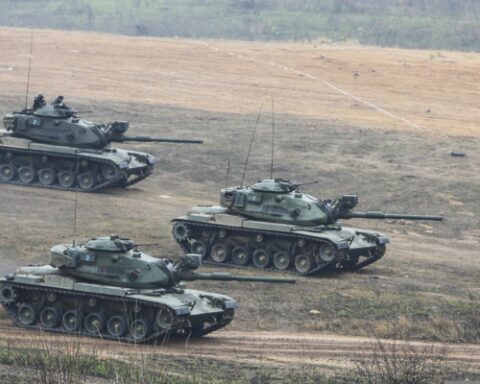
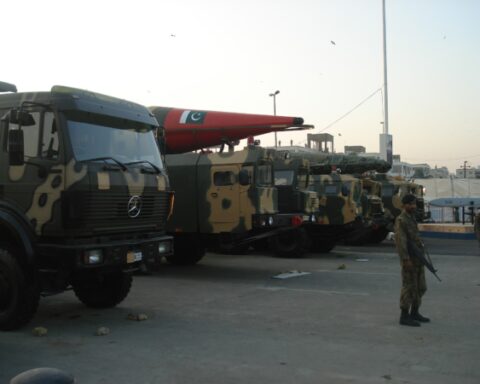
The airstrikes came after border skirmishes left one Thai soldier dead. Both nations accuse the other of initiating heavy weapons fire.
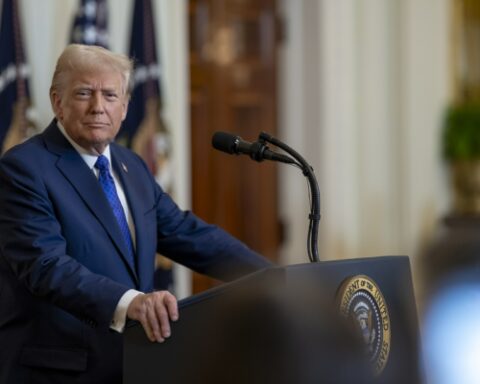
The renewed conflict is a blow to the peace framework secured in late October 2025 by President Donald Trump, who personally oversaw the negotiations that produced the Kuala Lumpur Accords — a deal the White House said would “solidify long-term peace and foster mutual trust” through new border observer teams.
Thai Maj. Gen. Winthai Suvaree said the strikes were a direct response to Cambodia’s artillery and mortar attacks on the Thai Anupong Base, which killed one soldier and injured two others. “The target was at Cambodia’s arms supporting positions in the area of Chong An Ma Pass,” Suvaree said in a statement reported by CNN.
The Royal Thai Air Force described the operation as limited and precise, saying the strikes “were executed with caution, targeting only military infrastructure, weapons depots, command centers, and logistical routes assessed as direct threats.” The RTAF added that post-strike assessments were conducted to ensure compliance with international law, proportionality, and the right of self-defense.
Cambodia’s Ministry of National Defence rejected Thailand’s account entirely, calling it “fake news.” In a post on X, the ministry insisted Cambodia did not initiate any attack and that “the Thai military forces launched the attack on the Cambodian forces.” Cambodia claimed it refrained from retaliation during both strikes, asserting it seeks to resolve conflicts peacefully and in accordance with international law.
The border dispute between Thailand and Cambodia stretches back to the 1950s and centers on territory originally demarcated by France, which controlled Cambodia until 1953.
Thailand, by contrast, was never colonized, making it the only country in Southeast Asia to maintain its independence through the European colonial era. Despite periodic agreements, the border has remained a persistent flashpoint.
The latest clash comes at a particularly sensitive moment in U.S. foreign policy.
The Trump administration invested heavily in mediating peace in Southeast Asia, positioning the U.S. as a stabilizing force and counterweight to Chinese influence in the region. The Kuala Lumpur Accords were heralded by the administration as a major diplomatic achievement just weeks ago.
Now, with fresh violence erupting, the future of that agreement appears uncertain. The Thai government insists it acted within its rights and in line with the terms of the peace framework, while Cambodia claims the strikes represent a breach of trust.
As both nations dig in, the coming weeks will test whether Trump’s hard-won peace accord can endure — or whether one of Asia’s longest-running disputes is sliding back toward open conflict.
[READ MORE: Israel Confirms Return of Another Hostage’s Remains as Hamas Continues to Stall on Trump’s Peace Plan]