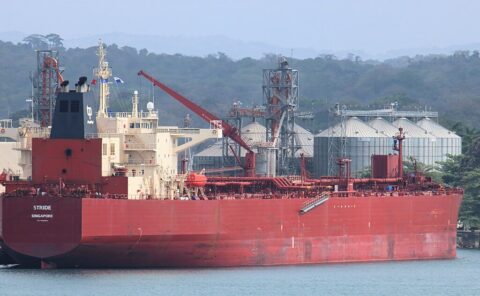


The United States has now reportedly intercepted and seized another vessel in international waters near Venezuela, marking the second such operation in recent weeks as President Donald Trump ramps up pressure on the Maduro regime. Multiple outlets reported Saturday that the operation was carried out by the U.S. Coast Guard with support from other branches of the American military.
According to U.S. officials speaking to CNN, the interdiction follows closely on the December 10 seizure of a sanctioned oil tanker off Venezuela’s coast. That earlier operation signaled a sharp escalation in Washington’s strategy, which has now been reinforced by Trump’s announcement of a sweeping blockade targeting all sanctioned oil tankers traveling to and from the South American nation.
Trump has made clear that the blockade is aimed directly at cutting off what he describes as the Maduro regime’s primary source of funding. In a Truth Social post Tuesday, Trump accused the Venezuelan government of exploiting oil resources to bankroll criminal activity. “The illegitimate Maduro Regime is using Oil from these stolen Oil Fields to finance themselves, Drug Terrorism, Human Trafficking, Murder, and Kidnapping,” Trump wrote.
In a pre-dawn action early this morning on Dec. 20, the US Coast Guard with the support of the Department of War apprehended an oil tanker that was last docked in Venezuela.
The United States will continue to pursue the illicit movement of sanctioned oil that is used to fund… pic.twitter.com/nSZ4mi6axc
— Secretary Kristi Noem (@Sec_Noem) December 20, 2025
He followed that accusation with a blunt directive. “I am ordering A TOTAL AND COMPLETE BLOCKADE OF ALL SANCTIONED OIL TANKERS going into, and out of, Venezuela,” the president said. When asked after the first seizure what the United States intended to do with the confiscated oil, Trump replied plainly, “Well, we keep it, I guess.”
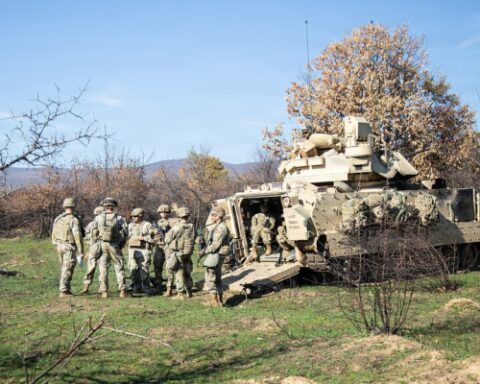
The latest interdiction underscores a broader campaign of sustained pressure that has been building for months. American armed forces have steadily expanded their presence and operational tempo in the southern Caribbean near Venezuela’s coastline. That buildup has included repeated strikes on drug-smuggling vessels, reinforcing Trump’s claim that the Maduro regime is intertwined with organized crime and narcotics trafficking.
The expanding military footprint has fueled speculation about whether Washington is moving toward a more direct confrontation with Venezuelan strongman Nicolás Maduro, or even laying the groundwork for regime change. While the administration has not publicly committed to such an outcome, reports indicate Trump offered Maduro a deal in late November that would have allowed him and his family safe passage out of the country in exchange for stepping down from power.
At the same time, the administration has dramatically increased the pressure on Maduro personally. In August, the United States placed a $50 million bounty on Maduro, the largest ever offered for a sitting head of state, further signaling that Washington views him as a central figure in what it has designated a terrorist-linked regime.
In announcing the blockade earlier this week, Trump issued a stark warning. He said the “Armada” surrounding Venezuela “will only get bigger,” and promised that the impact on the regime would be unprecedented. “The shock to them will be like nothing they have ever seen before,” Trump wrote, while also demanding that Maduro “return to the United States of America all of the oil, land, and other assets that they previously stole from us.”
Despite the mounting pressure, Maduro has shown signs of defiance. According to Reuters, he dispatched two non-sanctioned vessels carrying oil to China on Thursday, an apparent effort to keep revenue flowing while skirting U.S. sanctions.
The latest seizure highlights how quickly tensions are escalating as Trump’s administration moves from rhetoric to enforcement. With U.S. forces now actively intercepting vessels near Venezuelan waters, the standoff between Washington and Caracas appears to be entering a more aggressive and unpredictable phase.