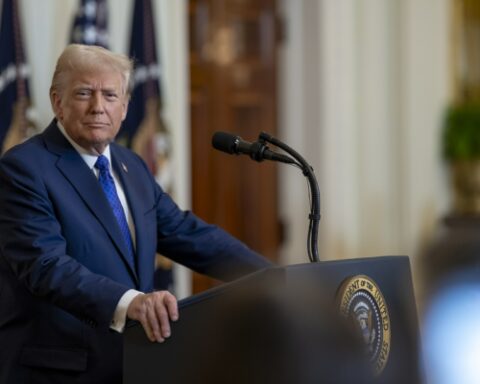

President Donald Trump on Thursday reportedly signed a sweeping executive order declaring a national emergency over the Cuban regime, authorizing the United States to impose new tariffs on goods from countries that sell or otherwise provide oil to communist-controlled Cuba. The administration said the move is necessary to confront what it described as serious threats to U.S. national security and foreign policy interests.
The order establishes a new tariff framework that allows the United States to levy additional duties on imports from any country that directly or indirectly supplies oil to the government in Havana. According to the White House, the policy is designed to counter Cuba’s “malign actions and policies” and to hold the regime accountable for behavior the administration says fuels instability across the region.
Under the executive order, the Secretaries of State and Commerce are granted broad authority to carry out the new policy. That includes issuing rules, guidance, and any other actions necessary to implement the tariff system and related enforcement measures. The order also gives the president flexibility to modify or lift the tariffs if Cuba or affected foreign governments take meaningful steps to address U.S. security concerns or bring their policies into alignment with American foreign policy objectives.
The White House said the Cuban regime represents an “unusual and extraordinary threat” to the United States. In outlining that threat, the administration pointed to Cuba’s close alignment with hostile nations and its role in hosting foreign military and intelligence operations. Officials cited Havana’s hosting of what they described as Russia’s largest overseas signals intelligence facility, which the administration says is focused on collecting sensitive U.S. national security information.
The order also accuses the Cuban government of supporting transnational terrorist organizations, including Hezbollah and Hamas. According to the administration, the regime has helped undermine U.S. sanctions, contributed to instability in the Western Hemisphere, and acted as a hub for activities that run counter to American interests.
In addition to national security concerns, the executive order highlights the regime’s domestic record. The administration accused Havana of persecuting political opponents, suppressing free speech and press freedoms, and enriching itself through corruption while exporting communist ideology throughout the region.
Secretary of State Marco Rubio reinforced the administration’s position a day earlier, saying the United States would welcome political change in Cuba. “I think we would love to see the regime change,” Rubio said, adding that while the U.S. is not seeking to impose change directly, such a shift would clearly benefit the United States. Rubio said there is “no doubt” that ending autocratic rule in Cuba would serve American interests.
President Trump echoed that assessment earlier in the week, suggesting the Cuban government’s grip on power may be weakening. “Cuba will be failing pretty soon,” Trump said Tuesday.
The executive order marks the latest step in Trump’s broader effort to confront regimes the administration views as hostile to U.S. security and stability. It follows earlier actions aimed at Iran and Venezuela and signals renewed pressure on Havana, while framing the move as support for the Cuban people living under communist rule.
With the national emergency declaration now in place, the administration is signaling that economic pressure will be a central tool in its strategy toward Cuba, as it seeks to curb the regime’s influence, disrupt its energy lifelines, and push back against what it views as a growing threat close to America’s shores.
[READ MORE: Trump Draws a Red Line for Iran as U.S. Military Pressure Mounts]