
For weeks, President Donald Trump has delivered a blunt message to the Iranian people: help is on the way. At the same time, the administration has positioned a formidable U.S. naval presence within reach of Iran’s coastline, signaling that Washington’s warnings are backed by force.
Now, as the White House prepares for a diplomatic summit in Istanbul on Friday, analysts say the president faces a familiar and high-stakes challenge — whether tough rhetoric will be matched by decisive action if diplomacy fails.
Trump has warned of “speed and fury” against an Iranian regime accused of violently suppressing protesters, drawing a clear red line that some analysts say recalls President Barack Obama’s 2013 warning to Syria over chemical weapons. Obama ultimately chose diplomacy over military strikes, a decision critics argue damaged American credibility and emboldened hostile actors, even as supporters maintained it avoided a broader conflict. That debate is resurfacing as Trump weighs how far to go in enforcing his own warnings against Tehran.
The administration’s objectives going into the Istanbul talks are sweeping and unapologetic. U.S. envoys are expected to press Iran to end its nuclear enrichment program, curb its ballistic missile development, halt support for proxy groups such as Hamas and Hezbollah, and stop the violent crackdown on domestic protesters. Tehran has shown little public willingness to accept those terms, even as tensions in the region continue to rise.
This week offered a reminder of how close the standoff has come to open confrontation. U.S. Central Command said American forces shot down an Iranian drone after it aggressively approached the USS Abraham Lincoln while the carrier was operating in international waters in the Arabian Sea.
According to CENTCOM, the drone ignored de-escalatory measures before being downed by an F-35C fighter jet in self-defense. No U.S. personnel were injured.
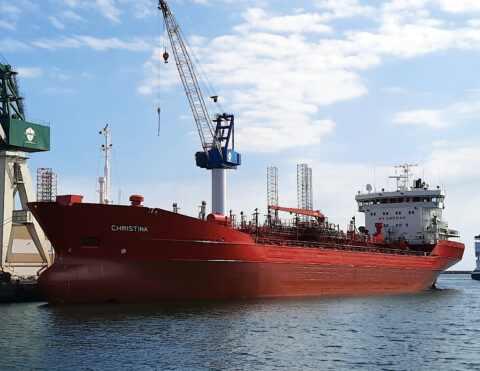
Hours later, Iranian naval forces harassed a U.S.-flagged, U.S.-crewed commercial tanker transiting the Strait of Hormuz, CENTCOM said. Iranian gunboats and a surveillance drone repeatedly threatened to board the vessel until the guided-missile destroyer USS McFaul intervened and escorted the tanker to safety.
CENTCOM warned that continued harassment in international waters raises the risk of miscalculation and regional destabilization.
Despite weeks of delay, analysts caution that military action has not been ruled out. Rich Goldberg, a former Trump National Security Council official, said force movements and the president’s past statements suggest military action remains a real possibility.
Michael Makovsky of the Jewish Institute for National Security of America echoed that view, warning that failing to act militarily could damage Trump’s credibility.
Comparisons to Obama’s Syria decision have grown louder in Washington. That episode remains a defining moment in debates over deterrence, with critics arguing restraint emboldened adversaries and supporters insisting diplomacy averted war. Goldberg said Iran is now testing whether Trump can be pushed down the same path.
Trump has publicly urged Iranian protesters to keep demonstrating, telling them to “KEEP PROTESTING” and promising that help is coming. At the same time, administration officials have emphasized caution, citing concerns about retaliation against U.S. forces and uncertainty over who would govern Iran if the regime were significantly weakened.
White House press secretary Karoline Leavitt said the president remains committed to pursuing diplomacy first, but stressed that diplomacy requires a willing partner. She added that the president continues to keep a full range of options on the table, including the use of military force.
[READ MORE: French Authorities Raid Musk’s X Offices as Probe Into Grok AI Intensifies]