

The United States and Iran opened a critical new round of nuclear negotiations in Geneva on Thursday, with the stakes nothing short of historic. The outcome of these talks could determine whether the two nations move toward diplomacy or slide closer to open conflict.
Oman’s foreign minister, Badr Albusaidi, who is serving as mediator, described the discussions as constructive. He said the sides were “exchanging creative and positive ideas” and would reconvene after a break, adding that he hoped for further progress. While the tone may be measured, the pressure surrounding the talks is anything but.
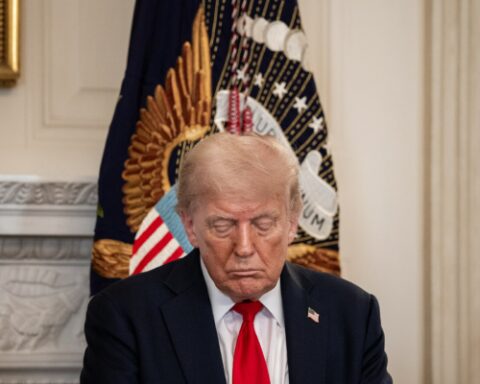
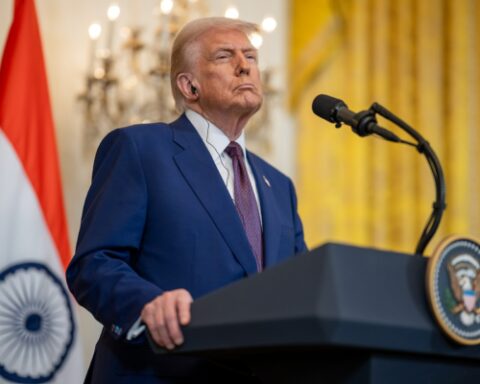
President Donald Trump made his position clear during his State of the Union address earlier this week. While expressing a preference for a diplomatic solution, the president drew a firm line in the sand. “I will never allow the world’s top sponsor of terror, which they are by far, have a nuclear weapon,” Trump declared. “Can’t let that happen.” His message underscored that while diplomacy is on the table, a nuclear-armed Iran is not.
Iranian officials, for their part, insist they will not completely abandon nuclear enrichment. Foreign Minister Abbas Araghchi stated that Iran would “under no circumstances ever develop a nuclear weapon,” but also said the country would never give up what it calls its right to peaceful nuclear technology.
According to four Iranian officials who spoke anonymously, Tehran is expected to propose a temporary suspension of nuclear activity and uranium enrichment for three to five years. After that, Iran would join a regional nuclear consortium while maintaining enrichment at a very low level — 1.5 percent — for medical research. The proposal would also include gradually diluting its remaining 400 kilograms of highly enriched uranium and granting United Nations atomic agency inspectors oversight of the process.
Thursday’s session marks the third round of talks since negotiations resumed this month, following Trump’s earlier threat of military intervention during an uprising in Iran in January. That uprising was met with a lethal crackdown by the Iranian government, with rights groups reporting at least 7,000 protesters killed.
The American delegation includes U.S. special envoy Steve Witkoff and Trump’s son-in-law, Jared Kushner, meeting with Araghchi under Omani mediation. Iran faces the challenge of convincing the United States that it does not intend to weaponize its nuclear program, while also giving President Trump enough room to demonstrate that he has achieved stronger terms than previous administrations.
In exchange, Iran is seeking tangible incentives, including relief from economic sanctions that have targeted its oil sales and international banking system. Iranian officials have also floated the possibility of purchasing American goods such as passenger airplanes and inviting U.S. companies to invest in Iran’s energy sector and mineral industries, including lithium. Iran’s supreme leader, Ayatollah Ali Khamenei, who previously barred American companies under the original deal, has now reportedly granted permission.
Notably absent from the current talks are Iran’s ballistic missile program and its support for militant groups. Secretary of State Marco Rubio said Wednesday that Iran “refuses” to discuss its missile program, calling it a significant issue that will ultimately need to be addressed.
The path to this moment traces back to 2018, when President Trump withdrew from the Obama-era Joint Comprehensive Plan of Action. Under that agreement, Iran capped enrichment at 3.5 percent and shipped enriched uranium to Russia. After the U.S. exit and the reimposition of sanctions, Iran gradually increased enrichment levels to 60 percent and amassed enough highly enriched uranium to potentially build several nuclear bombs, according to the head of the U.N.’s atomic agency.
Tensions escalated further in June when Israel launched a surprise attack on Iran, igniting a 12-day war that ended with U.S. bunker-buster strikes on three major Iranian nuclear facilities. Those strikes significantly damaged the sites and effectively halted Iran’s nuclear program, with enriched uranium stockpiles believed to be buried under rubble.
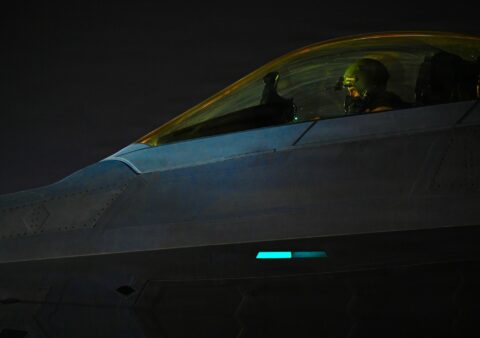
In recent weeks, the United States has positioned a massive military presence around the Middle East — the largest since the Iraq invasion in 2003 — as a warning that military options remain available. President Trump is reportedly considering a range of responses if talks collapse, from limited strikes to broader operations targeting nuclear and missile facilities.
Iran has vowed immediate retaliation, threatening U.S. bases, Israel, and even American warships. Analysts warn that any war could be prolonged and costly.
For now, the focus remains on Geneva. As one regional expert put it, this could be the decisive round. Whether diplomacy prevails or tensions erupt may soon be decided at the negotiating table.
[READ MORE: FBI Raids Target LAUSD Superintendent Alberto Carvalho as Questions Mount]