
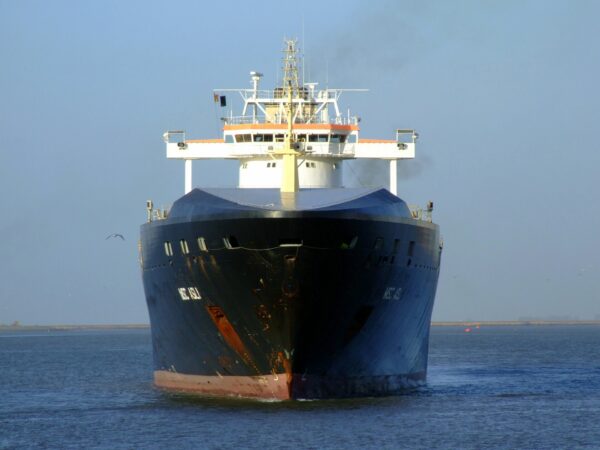
The escalating conflict between the United States, Israel, and Iran is now sending shockwaves through global energy markets, as reports indicate that dozens of oil tankers have been left stranded in the strategically critical Strait of Hormuz and surrounding regional waters.
According to Reuters, shipping through the narrow waterway between Oman and Iran — a corridor that carries roughly one-fifth of the world’s oil supply along with massive quantities of natural gas — has effectively come to a halt. The disruption followed Iranian retaliation to U.S. and Israeli military strikes, with vessels in the area reportedly hit amid the heightened tensions.
Iran has since announced that it has shut down navigation in the Strait of Hormuz. Shipping data obtained by Reuters shows that no fewer than 150 ships, including oil tankers and liquefied natural gas carriers, are now stranded in the strait and nearby waters.
The Iranian Revolutionary Guard declared that shipping through the vital passage would remain effectively closed through the weekend, according to The Washington Post, raising alarm across global markets already rattled by the conflict.
The violence has not been limited to blocked routes. Two projectiles struck the U.S.-flagged tanker Stena Imperative while it was in Bahrain, damaging the vessel. A shipyard worker was killed in the incident, and two others were injured, according to a joint statement from Crowley and Stena Bulk provided to The Maritime Executive.
As security risks mount, marine insurers are responding. Reuters reported that insurers are canceling war risk coverage for vessels operating in the region, a move that is expected to drive shipping costs even higher. Major insurance groups including Gard, Skuld, and NorthStandard announced that cancellations would begin March 5.
Energy markets reacted swiftly. The Washington Post reported that oil prices surged nearly 8 percent, while natural gas diesel jumped 17 percent. Analysts are warning that continued instability in the region could send prices even higher.
“Oil markets might have to face their worst fears on Monday,” Barclays Bank told investors, warning that Brent crude oil could climb to $100 per barrel “as the market grapples with the threat of a potential supply disruption amid a spiraling security situation in the Middle East.”
Analysts cited by The Washington Post suggested that if shipping through Hormuz does not resume quickly, global energy costs could see a prolonged increase, with American consumers potentially feeling the impact at the gas pump through rising gasoline prices.
At the same time, not all observers believe the worst-case scenario will unfold. Some analysts argue that markets may be overreacting to the immediate disruption.
“A sustained closure of Hormuz would almost certainly provoke coordinated regional and U.S. involvement to secure maritime passage,” GasBuddy head of petroleum analysis Patrick De Haan wrote in a blog post. “Too many global economies depend on that corridor for it to remain blocked for long.”
For now, however, the Strait of Hormuz remains a flashpoint, with energy markets on edge and global supply chains facing uncertainty as tensions in the Middle East continue to escalate.