
An American journalist abducted in Iraq has been released after a week in captivity, in a development that underscores both the dangers facing reporters in conflict zones and the broader instability tied to ongoing regional tensions.
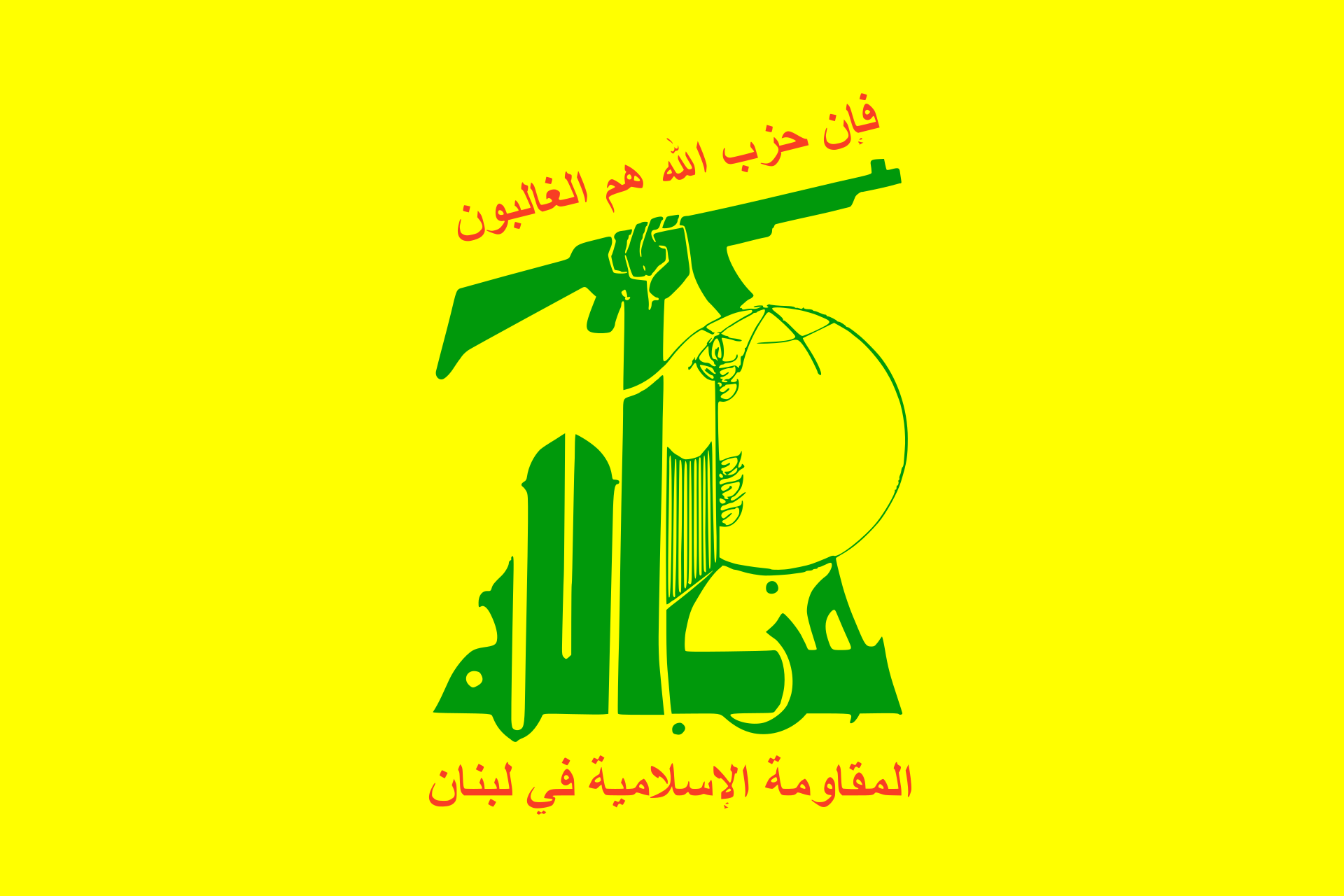
Shelly Kittleson, a freelance journalist focused on the Middle East, was freed Tuesday by Kataib Hezbollah, an Iranian-backed militant group long designated by the United States as a terrorist organization. Her release comes one week after she was kidnapped in broad daylight in central Baghdad, an incident that drew international attention and concern.
News of her release was first reported by Reuters correspondent Tala Ramadan, who noted that Kittleson has been instructed to leave Iraq immediately. The The New York Times confirmed the development shortly thereafter, reporting that she had been freed following negotiations.
According to statements cited in that report, the group claimed it released Kittleson “in appreciation of the patriotic positions” of Iraqi Prime Minister Mohammed Shia’ al-Sudani, who had reportedly been involved in efforts to secure her release. At the same time, the group issued a stark warning, signaling that such an action should not be expected again.
“This initiative will not be repeated in the future,” a security commander said in a statement, emphasizing that the group views itself as engaged in a broader conflict. The commander described the situation as a war involving a “Zionist-American enemy,” suggesting that in such conditions, normal considerations are often cast aside.
Kittleson’s abduction on March 31 highlighted the risks that remain for journalists operating in volatile environments. Video footage aired on local television and circulated widely online showed her being forced into a vehicle by two men in the middle of the day, a brazen act that raised fresh questions about security in the Iraqi capital.
U.S. officials indicated that warnings had been issued prior to the incident. Assistant Secretary of State for Public Affairs Dylan Johnson said the State Department had previously alerted Kittleson to potential threats. Another U.S. official, speaking to the New York Post, said she had been contacted multiple times about dangers to her safety, including the night before the kidnapping.
Kataib Hezbollah, the group responsible, maintains close ties to Hezbollah in Lebanon and has long been a focal point of U.S. counterterrorism efforts. Its involvement in the incident reflects the complex web of alliances and hostilities shaping the region, where local conflicts are often intertwined with broader geopolitical struggles.
Kittleson herself is an experienced reporter who has contributed to outlets including the BBC, Al-Monitor, and Politico. Her work has frequently focused on conflict zones, and she has spoken candidly in the past about the personal toll of such reporting. In 2017, she said covering war-torn areas had given her a sense of purpose, even as it brought difficult experiences and lasting psychological strain.
Her recent reporting included coverage of regional developments and geopolitical tensions, including a Reuters post about Spain closing its airspace to U.S. planes involved in strikes on Iran. That backdrop serves as a reminder of how quickly tensions can escalate—and how individuals on the ground often bear the greatest risks.
While Kittleson’s release is a welcome outcome, the circumstances surrounding her kidnapping and the rhetoric accompanying her freedom point to a larger reality: in regions shaped by ongoing conflict, even a single week can carry life-altering consequences.