
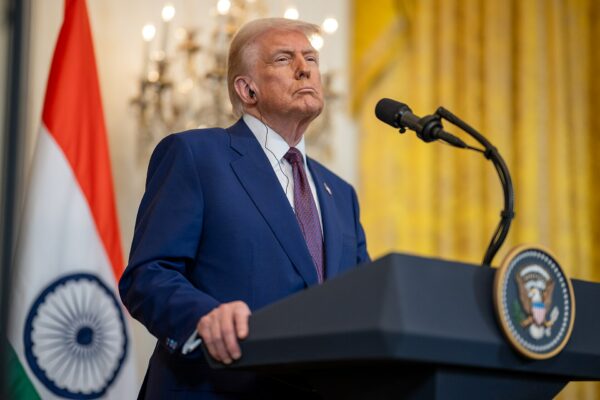
President Donald Trump on Wednesday escalated his long-running clash with Federal Reserve Chair Jerome Powell, warning that he would “fire” the central bank leader if Powell refuses to step aside when his term ends in May.
The latest flashpoint comes as Powell remains under a Justice Department investigation launched in January, focusing on his congressional testimony regarding the Federal Reserve’s headquarters renovation project. Powell has indicated he has no intention of stepping down until that probe is resolved, setting the stage for a potential standoff with the White House.
Powell has also suggested that the investigation itself may be part of an effort to pressure him into lowering interest rates, an issue that has been a consistent source of tension between the Fed and the administration. Trump has repeatedly called for rate cuts, arguing they are necessary for economic growth, while Powell has maintained the central bank’s independence.
The dispute has now begun to ripple through other areas of policy. Trump’s nomination of Kevin Warsh to lead the Fed has been delayed, in part due to opposition from outgoing Sen. Thom Tillis, who has pledged to block confirmation until the investigation into Powell is concluded.
During an interview with Fox Business anchor Maria Bartiromo, Trump made clear he is prepared to take direct action if Powell does not vacate the position on schedule. “Then I’ll have to fire him,” the president said, adding that he had previously refrained from doing so in an effort to avoid controversy.
At the same time, Trump sharply criticized the Federal Reserve’s renovation project, pointing to its reported cost as a central concern. He argued that the project could cost billions and questioned whether it would ever be completed, contrasting it with his own experience developing properties at lower costs.
Bartiromo pressed the president on whether ending the probe might be the simplest way to resolve the standoff and clear the path for leadership changes at the Fed. Trump declined to commit, saying he would need more information before making such a decision.
The exchange highlighted the broader tensions surrounding the Federal Reserve, an institution traditionally insulated from political pressure. While presidents have often disagreed with Fed policy, direct threats to remove a sitting chair underscore the intensity of the current dispute.
Trump also weighed in on Tillis’s role in the confirmation process, suggesting the senator’s stance could influence his legacy as he prepares to leave office. Though Trump referred to Tillis as a “good man,” he expressed concern that blocking Warsh could allow what he described as ineffective leadership to continue at the Fed.
The unfolding situation reflects a deeper struggle over economic policy and institutional independence. As debates over interest rates and government oversight continue, the confrontation between the White House and the Federal Reserve raises questions about the balance of power in shaping the nation’s financial direction.
With Powell’s term nearing its end and the investigation still unresolved, the possibility of a dramatic leadership change looms. Whether the dispute is settled through negotiation, confirmation battles, or executive action, the outcome is likely to have lasting implications for both markets and the broader economy.