
Iranian hardliners spent the summer quietly preparing to escalate the conflict with the United States even as negotiations aimed at resolving the war continued, according to a bombshell report from The Wall Street Journal.
The report by Benoit Faucon and Summer Said, titled “Iran’s Secret Plan to Escalate the War,” cited intercepted communications between Iran and its Middle Eastern proxies that reportedly alarmed Arab intelligence agencies in the region.
The report was published Sunday evening, just hours before President Donald Trump threatened additional strikes against Iran as the current memorandum of understanding approaches its expiration.
Trump signed the memorandum in mid-June as part of an effort to take steps toward resolving the conflict. But according to the Journal, Iran’s hard-line leadership gathered in Tehran and reached a very different conclusion about the agreement.
Iranian leaders reportedly believed the pact could simply be an attempt by the United States and Israel to relieve pressure on the global economy while buying time before launching a larger attack.
Rather than putting their faith in negotiations, the hardliners reportedly used the following two months to prepare for a potentially wider conflict.
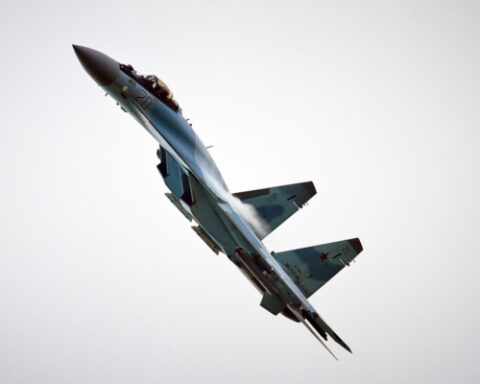
Those preparations included giving the Islamic Revolutionary Guard Corps greater control over Iran’s regular army, putting veterans of the Iran-Iraq war and previous domestic crackdowns into key positions, expanding counterintelligence operations and increasing production of missiles and drones.
Iran also moved to strengthen its control over the Strait of Hormuz by attacking ships while expanding the battlefield into the Red Sea, according to the report. Saudi Arabia has used the Red Sea to bypass Iran’s grip on the Persian Gulf.
The Journal reported that peace talks led by Vice President JD Vance coincided with a “strategic shift” among Iran’s hard-line leadership, which sought to prepare its forces to expand the conflict and increase the costs imposed on the United States.
Iran’s overriding objective, according to the report, is to inflict enough pain to prevent a repeat of attacks the country experienced during last year’s 12-day war and the ongoing conflict.
The Revolutionary Guard also reportedly used the relative calm provided by the memorandum to coordinate with allied militias across the region. Advisers were sent to Iraq, Yemen and Lebanon to discuss plans for increased attacks if necessary.
Mohammad Hassan Sangtarash, a Tehran-based defense analyst linked to the Iranian government, told the Journal there is a “widespread view in Iran that the main war has not yet begun.”
Sangtarash said events so far are increasingly viewed in Iran as “salami-slicing” tactics involving limited escalation intended to weaken capabilities before a larger confrontation.
The Journal reported Iran’s potential escalation plans could go even further.
Iranian officials and public statements indicate the nearly 200,000-strong Revolutionary Guard has developed options including pre-emptive strikes, sabotaging internet cables in the Persian Gulf and creating political unrest in countries with Shia communities, including Kuwait and Bahrain.
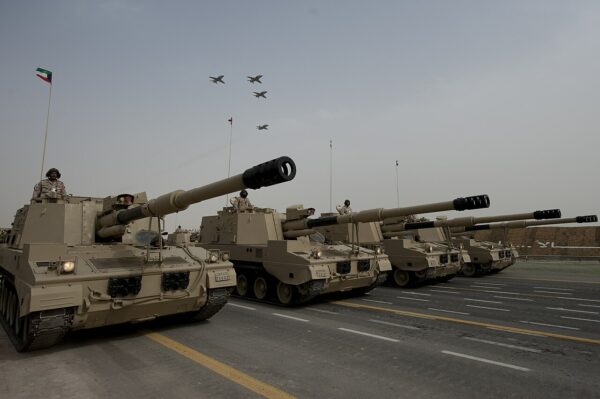
The plans could even include possible ground operations in Kuwait, according to the report.
Kuwait is reportedly taking that possibility seriously and developing contingency plans for such an event.