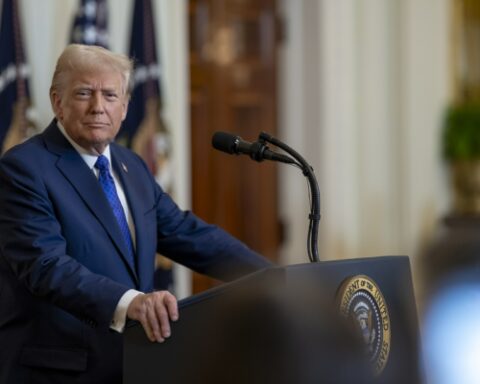

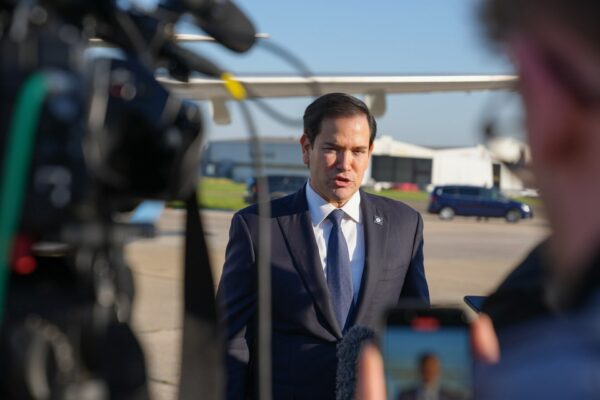
Secretary of State Marco Rubio revealed Tuesday that President Trump is willing to sit down with the Iranian delegation on the sidelines of the United Nations General Assembly while in New York, signaling a potential diplomatic opening amid the ongoing conflict.
Rubio, who also holds the role of national security adviser, made the disclosure during an interview with Fox News, explaining that the president operates on simple “common sense” logic that there’s no harm in talking to someone.
Iranian President Masoud Pezeshkian and Foreign Minister Abbas Araghchi are among the “core” delegation members who received visas from the State Department to attend the global summit, a notable development given the two nations have been at war for more than six months following the joint U.S.-Israeli strikes launched on February 28.
“I think the president is open to a meeting with him or anybody,” Rubio said when pressed on whether Trump would sit down with Pezeshkian or other delegation members.
Rubio tempered expectations about what such a meeting could accomplish, pointing to the power structure inside Iran.
“Whether something productive will come out of it, it’s harder to tell because the ultimate decisionmaker in Iran is the supreme leader, and the supreme leader is a radical Shia cleric,” Rubio said.
In a separate interview on NBC’s “Today,” Rubio again confirmed Trump’s openness to a sit-down but cautioned that nothing formal has been arranged. He said any meeting would need to show real promise of advancing the administration’s core objective.
“If it has the prospects of leading to something positive and ultimately achieving the goal of what this is all about, and that is the fact that Iran can never have a nuclear weapon,” Rubio said.
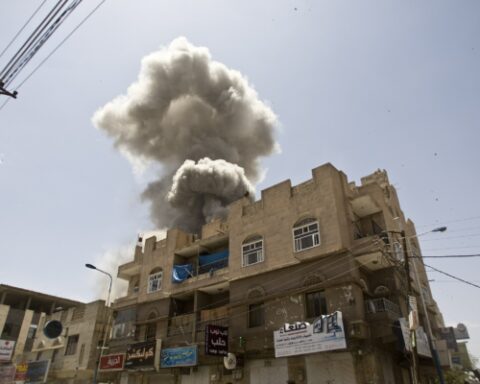
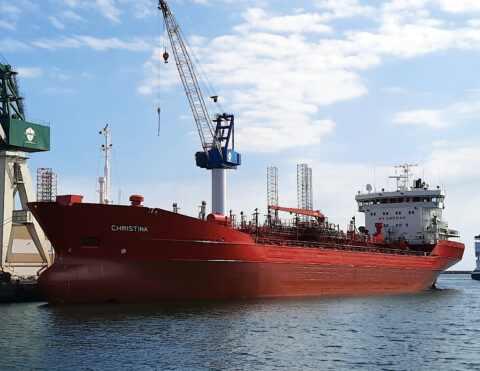
Diplomatic talks between Washington and Tehran broke down after a proposed memorandum of understanding, which was designed to secure a ceasefire and reopen transit through the Strait of Hormuz, fell apart. Fighting between the two nations resumed this month following roughly six weeks of relative calm, with Iran targeting oil tankers in the strait, U.S. military bases in the region, and American allies. In response, the U.S. has enforced a blockade on Iranian oil exports and carried out additional military strikes.
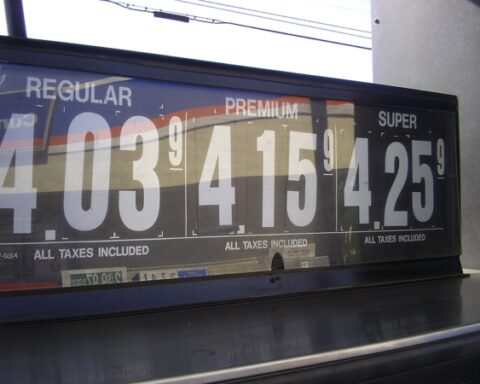
The Iran-backed Houthis in Yemen have compounded the disruption, targeting energy exports through the Red Sea and contributing to the surge in gas and diesel prices nationwide.
Trump is set to meet Tuesday with members of the Gulf Cooperation Council to discuss next steps in the conflict with Iran.
Addressing concerns over soaring energy costs, Rubio argued prices would be far worse if Iran possessed a nuclear weapon.
“And they would use that nuclear weapon to control the Straits of Hormuz forever. They would be able to choke off the world’s energy supply any time they wanted,” Rubio said, framing the ongoing military pressure as necessary to prevent that outcome.