
Tensions between Pakistan and Taliban-controlled Afghanistan have reportedly erupted into what Pakistan’s defense minister is now calling “open war,” following a series of violent cross-border clashes and retaliatory strikes along the disputed frontier.
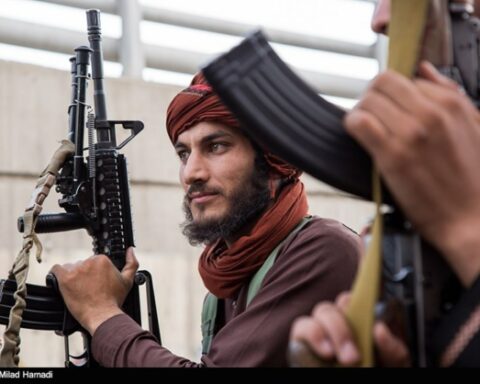
Afghanistan has been governed by the Taliban since the U.S. withdrawal in 2021. On Thursday, Taliban forces launched what they described as “preemptive” attacks on Pakistani military bases along the 1,640-mile border the two nations share.
Taliban spokesman Zabihullah Mujahid announced the operation on social media, claiming the strikes were in response to “repeated border violations and provocations from Pakistani military circles.” He said “extensive preemptive operations” had been launched against Pakistani military centers and paramilitary installations along the Durand Line, the long-disputed boundary between the two countries.
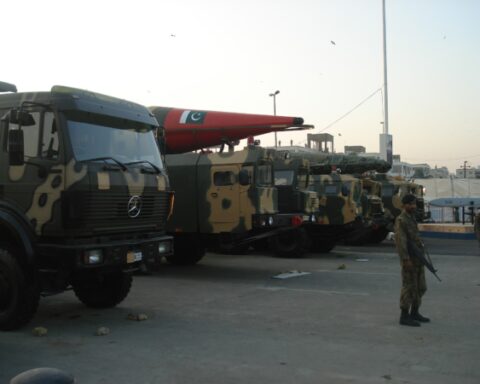
Pakistan, a nuclear-armed nation, rejected that characterization, calling the Afghan attacks “unprovoked.” Islamabad said its military responded swiftly with retaliatory airstrikes and cross-border operations targeting Taliban military posts.
“Taliban regime forces are being delivered punishment in Chitral, Khyber, Mohmand, Kurram and Bajaur sectors,” Pakistan’s Ministry of Information posted on X. “Early reports confirm heavy casualties on Afghan side with multiple posts and equipment destroyed.”
According to Pakistan spokesman Mosharraf Zaidi, the fighting left 133 Taliban fighters dead and another 200 wounded. He said Pakistani forces destroyed 27 Taliban posts and captured nine more.
Pakistan’s military response also included airstrikes on the Afghan cities of Kabul and Kandahar. The Taliban, however, claimed that no one was injured in those strikes.
The escalation marks a sharp deterioration in relations between the neighboring countries, which have long accused one another of harboring militants and failing to secure their shared border. The latest violence follows airstrikes launched by Pakistan last weekend in eastern Afghanistan. Islamabad said those strikes targeted locations used by Islamic State terrorists. In response, the Taliban warned it would deliver an “appropriate and measured response.”
Those exchanges shattered a ceasefire agreement reached in October 2025 after similar deadly clashes along the border.
Pakistan’s defense minister Khawaja Asif issued some of the strongest rhetoric yet, accusing Afghanistan of acting as a “proxy for India” and providing safe haven to terrorists.
“The Taliban turned Afghanistan into a colony of India. They gathered all the terrorists of the world in Afghanistan and began exporting terrorism. They deprived their own people of basic human rights,” Asif said in a statement.
He added that Pakistan had made efforts to ease tensions through diplomacy, including outreach through friendly countries, but claimed those efforts failed.
“Pakistan made every effort to keep the situation normal through direct means and through friendly countries. It engaged in full-fledged diplomacy. But the Taliban became a proxy for India,” Asif said.
“Our cup of patience has overflowed. Now it is open war between us and you,” he declared. “We are your neighbors; we know your ins and outs.”
With both sides trading accusations and strikes across the Durand Line, the risk of further escalation remains high. The breakdown of the 2025 ceasefire and the increasingly blunt language from Pakistan’s leadership underscore just how volatile the situation has become along one of the region’s most sensitive borders.