
President Donald Trump is once again drawing headlines on two very different fronts: a bold vision for his future presidential library and a fast-moving strategy abroad that could soon bring American troops home.
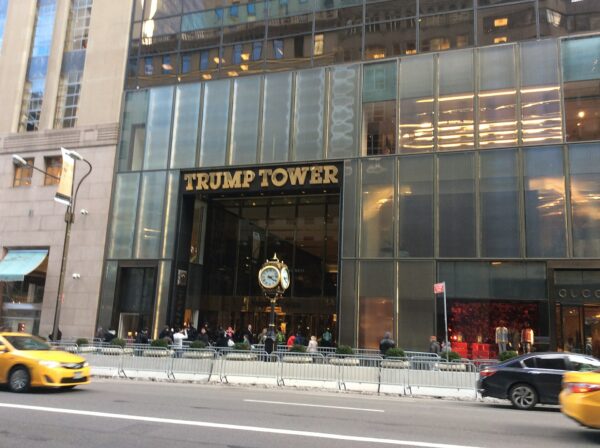
On the domestic side, Trump revealed that his eventual presidential library will “most likely” double as a hotel, an idea that reflects both his background as a developer and his penchant for large-scale, high-profile projects. The concept gained further attention after his son, Eric Trump, shared a video rendering of the proposed structure.
The design, set along the waterfront in Miami, Florida, depicts a towering भवन that closely resembles One World Trade Center in New York. If constructed as shown, the building would dwarf every other presidential library in size, signaling a project meant not just to commemorate a presidency, but to stand as a major architectural statement.
“The Donald J. Trump Presidential Library is officially here,” Eric Trump wrote, describing months of work alongside his team. He called the project a “lasting testament” to his father, praising him as both a developer and president. The images, he noted, had not previously been released to the public.
While the library proposal highlights Trump’s domestic ambitions, the conversation quickly shifts overseas, where the administration is navigating a complex and escalating conflict involving Iran.
In recent remarks, a military-minded argument has emerged emphasizing speed and decisiveness in warfare. The critique centers on what was described as a long-standing U.S. tendency toward “limited warfare,” a strategy that, according to the comments, has repeatedly failed to deliver clear victories.
Referencing past conflicts such as the Vietnam War, Iraq, and Afghanistan, the argument suggests that partial measures prolong fighting, erode public support, and ultimately weaken outcomes. In contrast, the view presented is that overwhelming force and swift action can bring conflicts to a quicker conclusion, reducing long-term strain at home.
The comments also floated the idea of seizing strategic نقاط like Kharg Island, describing such a move as technically involving “boots on the ground” but potentially achievable with minimal difficulty given U.S. firepower. The broader goal, as outlined, would be to choke off resources, end the conflict rapidly, and stabilize conditions that have contributed to rising gas prices and regional instability.
At the same time, even proponents of a more aggressive approach acknowledged a reluctance to commit ground troops, reflecting an ongoing tension between demonstrating strength and avoiding deeper entanglement.
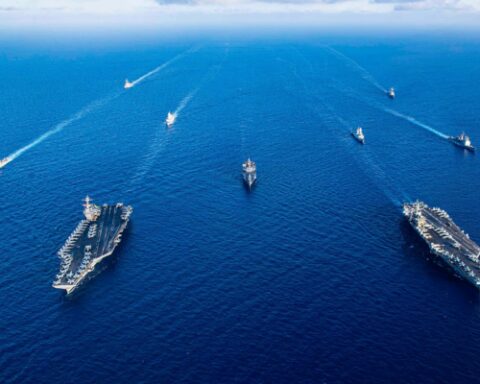
That tension is already visible in the administration’s current posture. Since the conflict began, Trump has deployed thousands of U.S. personnel to the Middle East, including 2,000 troops from the 82nd Airborne and 3,500 sailors and Marines. Yet the president has also signaled that the U.S. may soon step back.
On Tuesday, Trump said American forces would be leaving Iran “very soon,” a timeline that comes as gas prices continue to climb sharply at home.
The juxtaposition is striking: a president envisioning a massive, permanent legacy project on U.S. soil while simultaneously seeking a rapid exit from a costly overseas conflict. It underscores a broader theme — projecting strength without committing to prolonged war — even as debates continue over whether quick victories abroad are ever as simple as they appear.