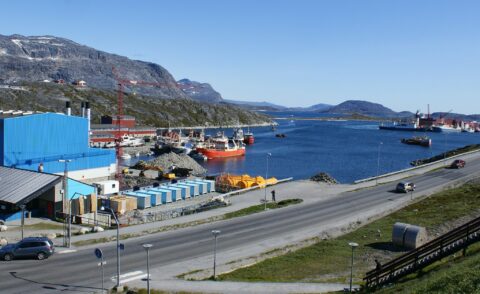

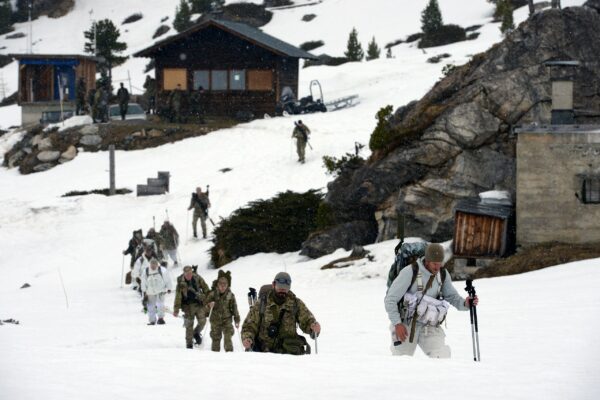
Germany has now reportedly joined a growing list of NATO allies moving troops to Greenland, signaling renewed solidarity with Denmark and the self-governing territory as President Donald Trump continues to press his case for bringing the strategically located island under U.S. control.
According to reports, German troops are set to deploy to Greenland this week, joining forces from countries including Sweden, Canada, and the Netherlands. The moves come amid heightened international attention on the Arctic as Trump escalates rhetoric about taking over Greenland, citing U.S. national security interests.
German lawmaker Peter Beyer said the deployment should not be viewed as a provocation toward the United States but rather as a step to protect shared security interests within NATO. Speaking to BILD, Beyer stressed that Germany’s goal is unity within the alliance and unwavering support for Denmark and Greenland.
“Nothing less can be our ambition, and our solidarity with Denmark and Greenland is unwavering,” Beyer said, emphasizing that the troop movement reflects alliance cooperation rather than confrontation.
Sweden also confirmed its participation in the multinational deployment. Swedish Prime Minister Ulf Kristersson announced Wednesday that Swedish Armed Forces officers had arrived in Greenland as part of a broader allied presence. Writing on X, Kristersson said the personnel would help prepare for upcoming activities under Denmark’s Operation Arctic Endurance military exercise.
“It is at Denmark’s request that Sweden is sending personnel from the Armed Forces,” Kristersson said, underscoring that the deployment was coordinated with Copenhagen and framed as part of routine NATO cooperation.
The troop movements come as Danish officials publicly pushed back against Trump’s renewed push to “acquire” Greenland. Danish Foreign Minister Lars Løkke Rasmussen said Wednesday that Trump’s position is “totally unacceptable” to both Denmark and the people of Greenland.
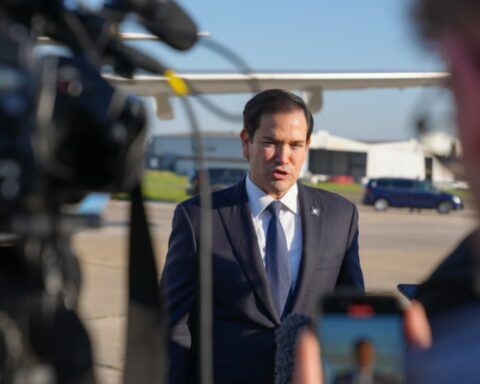
Rasmussen made the comments after a brief White House meeting with Secretary of State Marco Rubio and Vice President JD Vance. He was joined by Greenland Foreign Minister Vivian Motzfeldt. Rasmussen described the discussions as “frank but also constructive,” even as it became clear that no consensus had been reached.
He said Denmark remains eager to work closely with the United States and other NATO allies to ensure the long-term security of Greenland, a massive Arctic island that has taken on increasing strategic importance. At the same time, Rasmussen made clear that cooperation does not extend to surrendering sovereignty.
“The president has made his view clear, and we have a different position,” Rasmussen said, adding that neither Danes nor Greenlanders want to be bought or conquered by the United States.
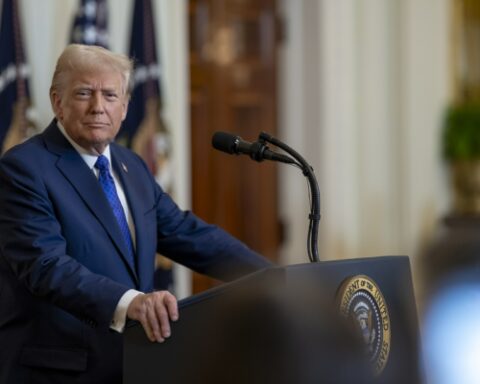
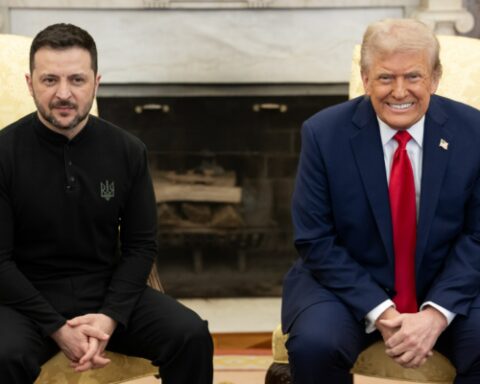
Trump’s interest in Greenland is no secret. Since returning to office, he has repeatedly revived the idea of annexing the territory, at times suggesting that the United States could pursue control by force if necessary. His comments have rattled allies and fueled renewed attention on Greenland’s role in Arctic defense and global security.
The latest deployments highlight how NATO countries are closing ranks around Denmark and Greenland in response to Trump’s rhetoric. While allied leaders continue to stress cooperation with Washington, the presence of multinational forces on the island sends a clear signal that Greenland’s future will be defended within the existing NATO framework, even as the debate over its strategic value intensifies.