
President Donald Trump is reportedly signaling a shift in strategy as the ongoing standoff with Iran enters a quieter but no less uncertain phase, with U.S. officials saying he has directed advisers to prepare for a prolonged blockade aimed at forcing Tehran to meet his demands.
After two months of conflict, tensions have eased somewhat following a ceasefire brokered in early April and later extended. Still, the situation remains fragile. Trump has continued to argue that Iranian leaders are seeking an end to the confrontation, even as diplomatic efforts appear stalled. Over the weekend, he canceled a planned trip by Vice President JD Vance to Pakistan, where another round of negotiations had been expected.
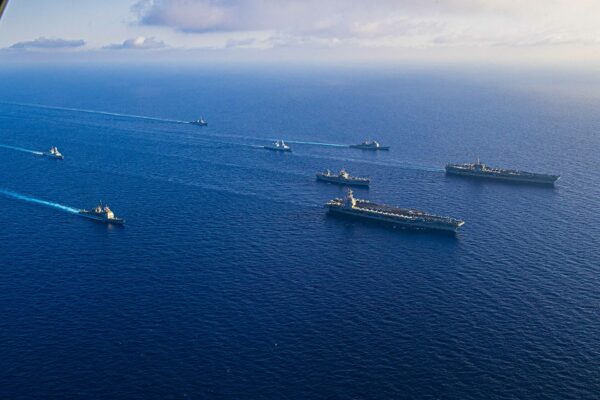
According to officials cited in reports, the current pause in direct hostilities aligns with Trump’s preferred approach. Rather than returning immediately to military action or abandoning the effort altogether, the president is relying on sustained economic pressure—specifically a blockade of a key oil transit route—to push Iran toward dismantling its nuclear capabilities.
The blockade, implemented after earlier negotiations failed, is seen by the administration as a middle-ground option. It avoids the immediate risks of renewed bombing while maintaining leverage over Tehran. At the same time, it reflects the reality that a quick resolution remains elusive. As one report noted, the strategy highlights the absence of a simple or decisive solution to the conflict.
Behind closed doors, U.S. officials are acknowledging the difficult choices ahead. Some believe the standoff will ultimately end either with a negotiated nuclear agreement or a return to open conflict. That uncertainty was underscored during a recent White House Situation Room meeting, where Trump reviewed a new proposal from Iran.
According to officials, the president expressed frustration that Iranian leaders continue to refuse to abandon nuclear enrichment, a position they have maintained throughout the conflict. Trump and his advisers reportedly concluded that accepting such terms would undermine their goal of a fully nuclear-free Iran. At the same time, resuming large-scale hostilities carries its own risks, including further destabilization of the region and rising costs.
For now, Trump appears committed to maintaining the blockade indefinitely. Administration officials believe the economic strain it has placed on Iran has already produced results, with Tehran reportedly reaching out to Washington as it struggles to manage unsold oil restricted by the blockade.
The president has publicly embraced the strategy, claiming on social media that Iran is in a “State of Collapse” as a result. He has also downplayed the impact of surging oil prices tied to the conflict, emphasizing instead the dangers posed by a nuclear-armed Iran.
In one recent remark, Trump suggested that ending the blockade could require far more drastic measures, stating that it would not happen “unless we blow up the rest of their Country, their leaders included!” The comment reflects the stark choices facing policymakers as they weigh pressure against escalation.
White House spokeswoman Anna Kelly defended the administration’s position, saying the president will only accept a deal that safeguards U.S. national security. She added that the blockade has given the United States “maximum leverage” in negotiations aimed at preventing Iran from obtaining nuclear weapons.
Even so, the current approach underscores a broader challenge: conflicts like this rarely resolve cleanly. While economic pressure may avoid immediate violence, it can prolong uncertainty and strain global markets, leaving both sides locked in a tense and costly stalemate with no clear end in sight.