
Cuba’s government has acknowledged holding what it described as “secret” meetings with officials from the Trump administration, confirming quiet diplomatic contacts after weeks of President Donald Trump publicly floating the idea of a possible “friendly takeover” of the island nation.
The disclosure came as Cuba faces mounting internal pressure, including a severe fuel shortage and an increasingly unstable electrical grid, according to reporting Friday. The country’s worsening economic situation has raised the stakes for both Havana and Washington as tensions rise across the region.
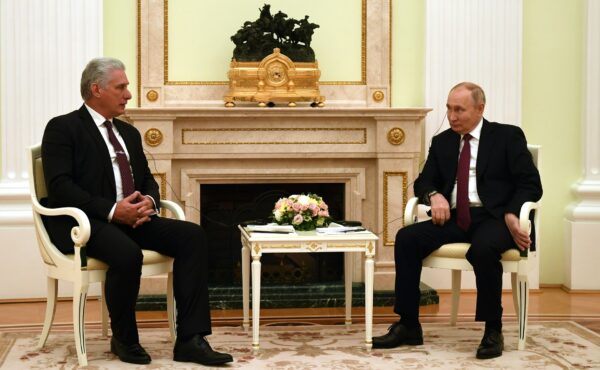
Cuban President Miguel Díaz-Canel confirmed the talks during a news conference, acknowledging that discussions with U.S. officials had taken place but emphasizing that the process remains in its early stages.
“Agendas are built, negotiations and conversations take place, and agreements are reached — things we are still far from because we are in the initial phases of this process,” Díaz-Canel said while addressing reporters.
The meetings come against the backdrop of a deepening crisis inside Cuba. The island has been grappling with fuel shortages that have strained daily life and destabilized its power grid, adding urgency to any potential diplomatic engagement between the two longtime adversaries.
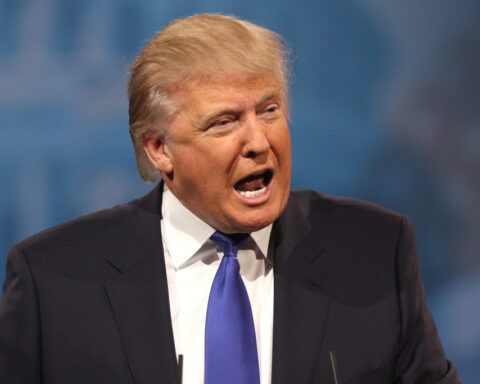
At the same time, Trump has been making increasingly blunt remarks about Cuba’s future. Since late February, the president has suggested that the United States could eventually oversee a “friendly takeover” of the communist-run island.
Speaking to reporters on the White House lawn on February 27 — the day before Operation Epic Fury began in Iran — Trump hinted that Cuba’s difficulties might open the door to a dramatic shift in relations.
“They don’t have anything right now, but they’re talking with us, and maybe we’ll have a friendly takeover of Cuba,” Trump said at the time.
He added that such an outcome could mark a turning point after decades of tension between the two nations.
“We could very well end up having a friendly takeover of Cuba after many, many years,” Trump said. “I’ve been hearing about Cuba since I’m a little boy, but they’re in big trouble, and we could — well, something good.”
Weeks later, on March 9, Trump revisited the idea again but suggested the situation could unfold differently.
“It may not be a friendly takeover,” he said.
The comments have drawn global attention and raised questions about how far the United States might go in attempting to reshape the political landscape in the Caribbean.
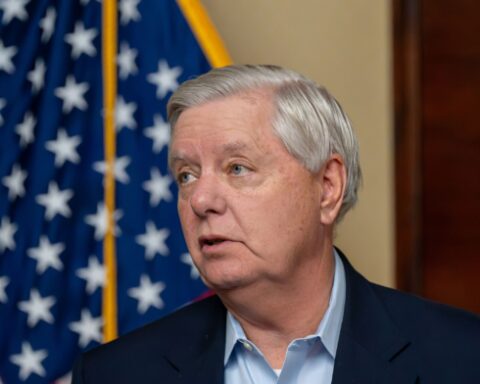
The rhetoric has also been echoed by some of Trump’s political allies in Washington. Senator Lindsey Graham, a Republican from South Carolina, recently suggested that the island’s government may soon collapse.
Speaking during a Fox News appearance earlier this month, Graham told host Trey Gowdy that Cuba could be next after Iran.
“They’re gonna fall,” Graham said. “This communist dictatorship in Cuba, their days are numbered.”
For now, Cuban officials say the talks with Washington remain preliminary. Díaz-Canel indicated that formal negotiations and potential agreements are still a long way off, even as both sides test the waters through early discussions.
The revelation of secret contacts highlights a familiar dynamic in international politics: public pressure paired with private diplomacy. While leaders sometimes trade sharp rhetoric in front of cameras, the more delicate work of negotiation often unfolds quietly behind closed doors.
In this case, the talks are unfolding at a moment when tensions across multiple regions — including the Middle East — are already stretching U.S. foreign policy.
Whether the conversations between Havana and Washington lead to meaningful change remains uncertain. But the confirmation that dialogue is underway suggests that even in moments of confrontation, diplomacy still finds its way into the room.