
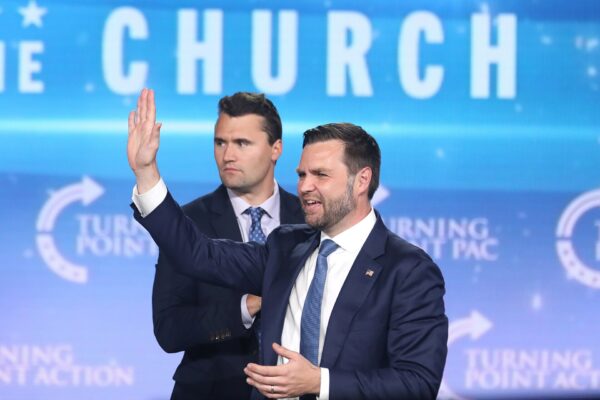
Vice President JD Vance acknowledged Wednesday that he does not fully understand all of the diplomatic considerations delaying the release of the complete U.S.-Iran agreement, while insisting that the administration wants the American public to see the deal as soon as possible.
Vance made the comments during an interview with CBS News anchor Norah O’Donnell, as questions continue to mount over a memorandum of understanding between the United States and Iran. The agreement has drawn significant attention following reports describing provisions that could include sanctions relief for Iran and a role for Tehran in policing the Strait of Hormuz.
President Donald Trump has repeatedly argued that the agreement’s central purpose is to ensure Iran never obtains a nuclear weapon.
The vice president’s appearance came after several news organizations published accounts of the deal’s reported contents, fueling debate among supporters and critics alike. Some commentators have raised concerns about the concessions reportedly offered to Iran, while administration officials have argued that much of the public discussion has been based on incomplete or inaccurate information.
Vance specifically criticized media coverage that he said had mischaracterized the agreement and took issue with criticism from The Wall Street Journal editorial board, which reportedly described the framework as a “strategic retreat.”
According to Vance, the agreement establishes a pathway for sanctions relief only if Iran meets key conditions sought by the United States.
Those conditions, he said, include ending support for terrorism and abandoning any pursuit of a nuclear weapon.
During the interview, O’Donnell pressed Vance on why the administration has not released the full text of the agreement, especially given Trump’s stated desire to move beyond the conflict.
“The president says he wants to put this war in the rearview mirror,” O’Donnell said, questioning why the public could not immediately review the document.
Vance responded by pointing to diplomatic concerns involving countries that helped facilitate negotiations.
“Yes, so there’s some frankly diplomatic protocols that I don’t fully understand,” Vance said.
The vice president explained that both Qatar and Pakistan played roles in mediating discussions between Washington and Tehran and have requested that the full text not be released immediately.
According to Vance, the administration is actually pushing for the agreement to become public sooner rather than later.
He said the White House would prefer to release the details immediately because officials believe the agreement is favorable to the United States and would benefit from public scrutiny.
“We want to tell the American people what’s in this deal,” Vance said.
While declining to discuss every provision, Vance described what he viewed as the core elements of the framework.
First, he argued that the agreement immediately opens the Strait of Hormuz, a strategically important shipping route through which large quantities of global oil and natural gas move every day.
Vance linked that development to declining oil prices, noting that prices had fallen from highs above $120 into the $70 range as shipping traffic resumed.
Second, he said the framework establishes conditions under which Iran could receive economic benefits if it complies with U.S. demands.
Those benefits would come in the form of sanctions relief, allowing Iran greater participation in the global economy.
According to Vance, such relief would only occur if Iran meets obligations related to terrorism and nuclear weapons.
The interview underscored the administration’s broader challenge as it seeks to sell the agreement to a skeptical public while key details remain unavailable.
For supporters, the agreement offers a chance to secure major strategic objectives without continuing a costly conflict. For critics, unanswered questions about enforcement, concessions, and long-term compliance remain difficult to overlook.
Vance’s message was straightforward: the administration believes the deal is beneficial, wants the public to see it, and expects the full text to become available no later than Friday.
[READ MORE: Trump Issues Stark Warning to Iran, Says Peace Agreement Hinges on Permanent Nuclear Restrictions]