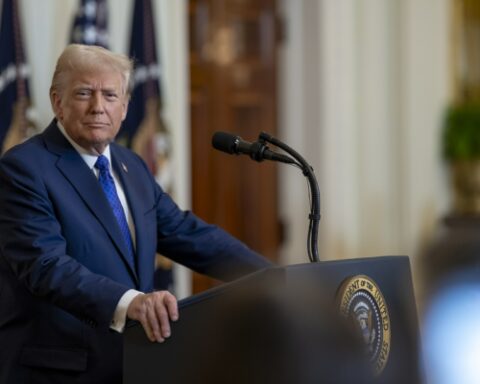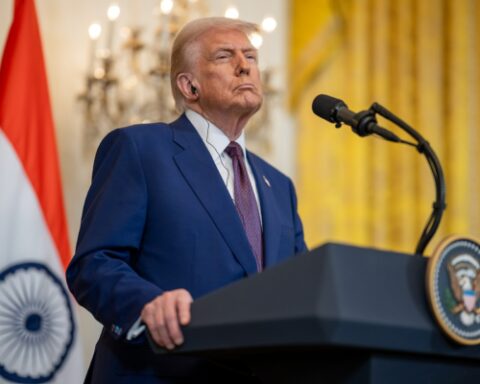

NATO Secretary-General Mark Rutte is scheduled to travel to Washington next week for a series of high-level meetings with President Donald Trump, senior administration officials, and members of Congress, as tensions continue to grow over the future of America’s military role in Europe.
According to an announcement from the alliance on Friday, Rutte will begin his three-day visit on Tuesday and is expected to meet with Trump at the White House on Wednesday. The trip comes at a time of renewed debate about how much responsibility European nations should bear for their own defense and whether the United States should continue providing the same level of military support it has supplied for decades.
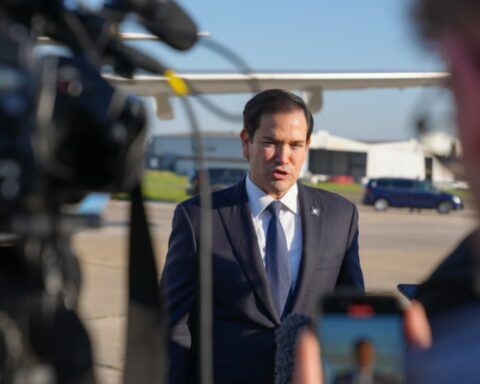
The visit follows remarks by Defense Secretary Pete Hegseth, who delivered a blunt assessment of NATO during a meeting with defense ministers at the alliance’s headquarters in Brussels on Thursday.
Hegseth announced a new six-month review of U.S. troop deployments in Europe and argued that NATO must move more quickly toward a structure in which European nations take the lead in defending the continent.
“President Trump has been very clear on this point for many years and over two administrations,” Hegseth said. “And for too long, NATO has been a paper tiger and a one-way street. No more.”
While Hegseth did not specify whether the review would ultimately lead to a reduction in American forces stationed in Europe, his comments reinforced the administration’s long-standing argument that European allies must shoulder a larger share of the burden.
The review is intended to ensure that the alliance moves “fast and irreversibly toward Europe leading,” according to Hegseth’s remarks.
Questions about America’s future military commitment to Europe have intensified in recent weeks. Earlier this month, the United States informed European allies that it would reduce the number of fighter jets and warships it would contribute to NATO’s response during the opening stages of a conflict, according to reporting by The New York Times.
That development has added another layer of strain to relations between Washington and some of its allies.
Trump has repeatedly criticized NATO member nations for what he views as insufficient support for U.S. efforts during the Iran war. The president specifically faulted some European countries for declining to make their military bases available for American aircraft that were expected to deploy to the Middle East.
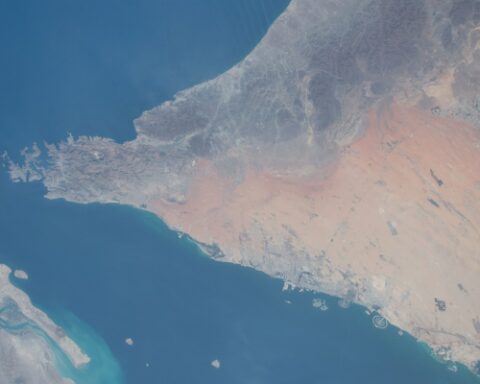
The conflict also exposed disagreements over the Strait of Hormuz after Iran shut down the strategic waterway during the fighting. Trump has publicly criticized Europe’s collective response to the situation, adding to broader tensions between the administration and the alliance.
The Iran conflict has become another flashpoint in a relationship that has often been marked by disagreements over military commitments, defense spending, and burden sharing. While NATO remains one of the world’s most significant military alliances, Trump has consistently argued that the United States carries too much of the load and that European nations must become less dependent on American resources.
Last year, NATO member countries committed to spending 5 percent of their gross domestic product on defense annually. Trump has welcomed that commitment but continues to insist that allies move faster toward reaching the goal.
Rutte’s meetings in Washington are likely to focus heavily on those issues as both sides seek to navigate questions about the alliance’s future direction. At the center of the discussion will be a familiar challenge: balancing collective security while addressing concerns about how the costs and responsibilities of military commitments are shared among allies.
As the alliance confronts those debates, the discussions underscore the broader reality that long-term military obligations often bring not only strategic questions, but also economic and political costs that can reshape relationships among allies.
[READ MORE: Iranian Reactions to Trump Deal Reveal Deep Divisions Despite Regime’s Victory Narrative]