

The Pentagon on Monday accused Canada of falling short as a credible partner in defending North America. It was a blunt rebuke to America’s northern neighbor over years of lagging military investment and Ottawa’s second thoughts about buying American-made F-35 fighter jets.
In an unusually sharp fact sheet, the Defense Department said Canada has dodged the tough decisions needed to modernize its armed forces and meet its NATO commitments.
“Canada’s defense shortfalls speak for themselves,” the department said. “Canada must get serious and focused.”
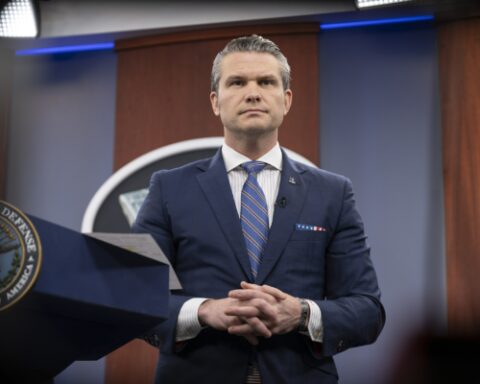
The Pentagon said Defense Secretary Pete Hegseth is “laser focused” on modernizing Canada’s military after decades of American taxpayers footing the bill for its defense.
The fact sheet accused Ottawa of having no credible, fully costed plan to reach NATO’s new 5% defense spending target. It also said Canada is pushing its biggest spending increases until after the 2029 federal election. Canada’s own parliamentary budget watchdog has also questioned how the government plans to hit the target.
The Pentagon pointed to troubling readiness numbers. It said that in 2025-26, only 41.9% of Canada’s air force fleet and 53.9% of its naval fleet were serviceable, and army readiness stood at 48%.
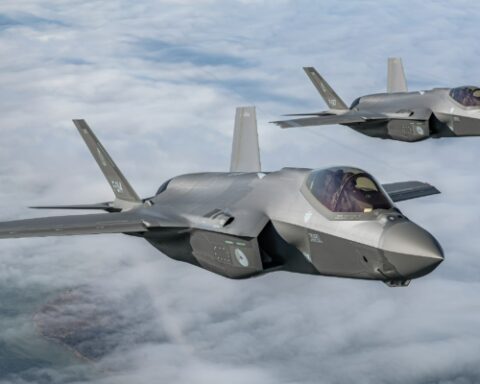
The department also criticized Prime Minister Mark Carney’s review of Canada’s planned purchase of 88 F-35s. It warned that a mixed fighter fleet could make personnel shortages worse. The Pentagon accused Canadian leaders of putting domestic economic interests ahead of military effectiveness, which it said creates uncertainty for NORAD, the air defense command the two countries run together.
Canada has been looking at Sweden’s Gripen fighter, which could bring manufacturing jobs north of the border. Ottawa has a legal commitment to buy the first 16 F-35s. In June, Carney said Canada should “no longer send three-quarters of our defense capital spending to America.”
Ottawa pushed back. Simon Lafortune, a spokesman for Canada’s defense minister, said the country has committed 81.8 billion Canadian dollars, about $56.9 billion, over five years to rebuild its military. He said Canada reached NATO’s 2% benchmark five years ahead of schedule.
“Canada is also on track to meet NATO’s new commitment to invest 5% of GDP annually in defense by 2035 and is taking concrete steps to build the capabilities needed to meet that goal,” Lafortune said.
Canada’s latest budget projects defense and security spending at 4.1% of GDP by 2027-28. However, only 2.6% of that is for core defense. Carney has also admitted that only one of Canada’s four submarines is seaworthy. He said the government plans to buy up to 12 replacements.
The rebuke follows other signs of a tougher U.S. approach. In May, Pentagon policy chief Elbridge Colby paused a U.S.-Canada defense advisory board that dates back to 1940, citing Ottawa’s lack of credible progress. Republican Sen. Mike Rounds said a classified Hegseth directive largely restricts U.S. military officials from taking part in Canadian think tank and social events. He said it is not expected to affect joint operations or intelligence sharing.
Colby, meanwhile, praised Germany’s military buildup as a “tectonic shift” and called Poland a “true model ally.”
Relations between Washington and Ottawa have been strained by President Trump’s trade fight with Canada and his talk of making it the 51st state. Some Canadian defense experts called the Pentagon’s criticism insulting and argued that it ignores Canada’s NATO deployment in Latvia and its support for Ukraine.