
European officials and left-wing activists reacted angrily Wednesday after the Trump administration moved to block five prominent European figures from entering the United States, citing their roles in efforts to censor American speech online.
The State Department announced Tuesday that the individuals fall under a visa restriction policy unveiled in May targeting foreign nationals accused of promoting censorship of Americans.
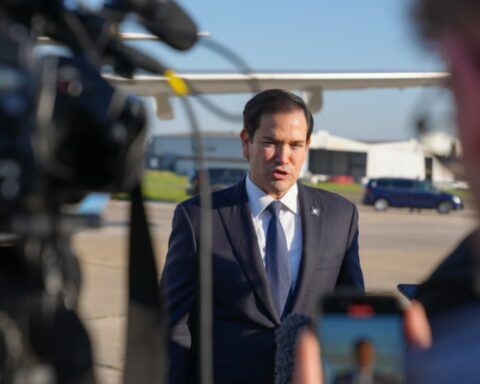
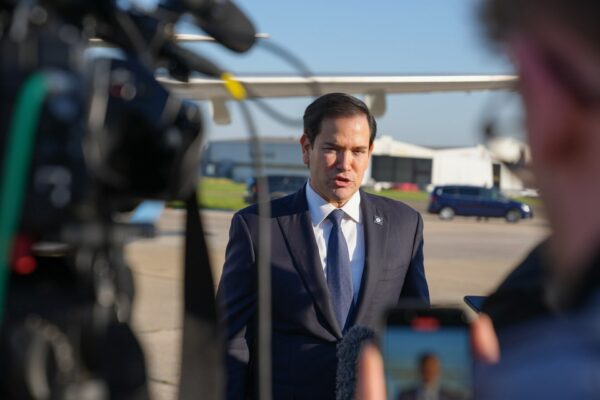
Secretary of State Marco Rubio said the action was a direct response to pressure campaigns by European regulators and activist groups seeking to force U.S.-based technology companies to suppress speech protected under the First Amendment.
“For far too long, ideologues in Europe have led organized efforts to coerce American platforms to punish American viewpoints,” Rubio said. “The Trump Administration will no longer tolerate these egregious acts of extraterritorial censorship.”
Those barred from entry include former European Union Commissioner Thierry Breton; Imran Ahmed, head of the Center for Countering Digital Hate; Clare Melford, who leads the Global Disinformation Index; and Josephine Ballon and Anna-Lena von Hodenberg, co-leaders of the Germany-based group HateAid.
Under Secretary of State for Public Diplomacy Sarah Rogers identified the individuals publicly, writing on X that anyone who “spends your career fomenting censorship of American speech” is unwelcome on American soil.
The move comes as tensions escalate between Washington and Brussels over the European Union’s Digital Services Act, which gives regulators broad authority over content moderation on large online platforms. Earlier this month, EU regulators fined X, owned by Elon Musk, roughly $140 million for alleged violations of the law.
That penalty drew swift condemnation from Trump administration officials. Vice President JD Vance criticized the EU for what he described as attacking American companies rather than defending free speech. The administration’s National Security Strategy similarly accused European authorities of suppressing political opposition and expression.
Rogers described Breton as a central architect of the Digital Services Act and noted that, in August 2024, he invoked the law in a letter warning Musk ahead of a livestream interview with Donald Trump. She also pointed to documented cases in which the Global Disinformation Index used U.S. taxpayer funds to encourage censorship and blacklisting of American media outlets.
The Center for Countering Digital Hate, led by Ahmed, produced the “Disinformation Dozen” report calling for platforms to remove twelve American accounts it labeled anti-vaccine, including one belonging to Robert F. Kennedy Jr.. In 2021, the group also released “The Toxic Ten,” urging Facebook and Google to demonetize conservative outlets such as The Daily Wire, Breitbart, Newsmax, The Washington Times, and Media Research Center over claims of climate “misinformation.”
European leaders swiftly condemned the visa bans. The European Commission warned it would respond “swiftly and decisively” to defend its regulatory autonomy, while insisting freedom of expression is a shared value with the U.S. French Foreign Minister Jean-Noël Barrot argued the Digital Services Act has no extraterritorial reach.
Breton compared the move to a political witch hunt, while HateAid’s leaders called the restrictions an act of repression, vowing they would not be intimidated. For the Trump administration, however, the message is clear: efforts to censor American speech will be met with firm consequences.
[READ MORE: Trump Issues Stark Warning to Maduro as U.S. Pressure on Venezuela Intensifies]