

A senior adviser to President Donald Trump is sounding the alarm on rising tensions with Iran, warning there is a “90% chance” of military action in the coming weeks as diplomatic efforts appear to be faltering.
“The boss is getting fed up,” the adviser told Axios reporter Barak Ravid on Monday. “Some people around him warn him against going to war with Iran, but I think there is 90% chance we see kinetic action in the next few weeks.”
The stark assessment comes on the heels of three-hour talks in Geneva between Trump advisers Jared Kushner and Steve Witkoff and Iranian Foreign Minister Abbas Araghchi. Following the meeting, both sides publicly maintained that discussions “made progress,” signaling at least some continued effort to find common ground.
Vice President JD Vance offered a similarly measured but cautious tone, acknowledging that negotiations “went well” in certain respects. At the same time, he underscored that serious differences remain. Vance said it was “very clear that the president has set some red lines that the Iranians are not yet willing to actually acknowledge and work through.” He added that diplomacy may soon have “reached its natural end.”
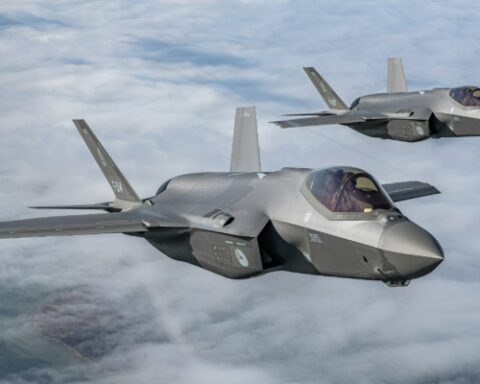
As diplomatic signals grow more uncertain, U.S. military deployments in the region have accelerated. According to reports, two aircraft carriers, dozens of warships and hundreds of fighter jets are being positioned across the Middle East. In addition, more than 150 cargo flights have delivered weapons systems and ammunition to the region.
The buildup reflects heightened readiness as the administration weighs its next steps. The adviser’s remarks suggest that President Trump’s patience may be wearing thin as negotiations continue without clear resolution on key issues.
According to Axios, citing sources familiar with planning discussions, any potential strike on Iran would likely unfold as a sustained and joint U.S.-Israeli effort. The reported planning would involve targeting not only Iran’s nuclear facilities but also key regime assets.
Publicly, administration officials have maintained that diplomatic efforts remain underway. However, Vance’s acknowledgment that the president’s red lines have not been accepted by Tehran indicates that fundamental disagreements persist.
The adviser’s “90% chance” comment underscores the seriousness of the moment, as Washington balances negotiations with a visible show of military force. With aircraft carriers and fighter jets now positioned in the region and cargo flights delivering military supplies, the operational groundwork appears to be advancing even as talks continue.
Whether diplomacy can bridge the remaining gaps remains uncertain. But with both sides claiming progress while simultaneously acknowledging unresolved red lines, the coming weeks could prove decisive.
For now, the administration continues to signal both readiness for engagement and preparation for action, as tensions with Iran remain high and the possibility of military involvement looms.