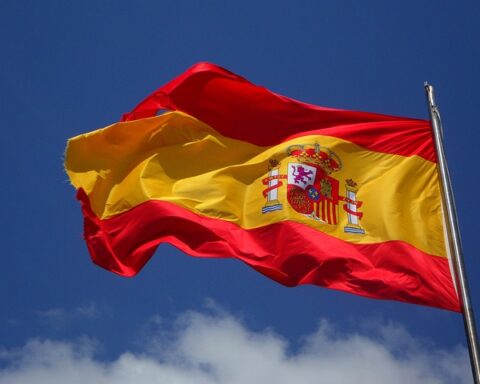

Spain moved Monday to shut its airspace to U.S. aircraft involved in the war in Iran, marking a sharp escalation in tensions between Washington and a key European ally as divisions over the conflict continue to widen.
Spanish Defense Minister Margarita Robles made the policy unmistakably clear, telling reporters that the restriction had been communicated to U.S. officials from the outset.
“This was made perfectly clear to the American military and forces from the very beginning,” Robles said. “Therefore, neither the bases are authorized, nor, of course, is the use of Spanish airspace authorized for any actions related to the war in Iran.”
The decision represents a firm refusal to support U.S. military operations tied to what has been referred to as Operation Epic Fury, and it underscores a growing lack of consensus among Western allies over how to approach the conflict. Spanish Prime Minister Pedro Sánchez has already described the operation as “illegal, reckless, and unjust,” signaling deep skepticism within Madrid about the broader strategy.
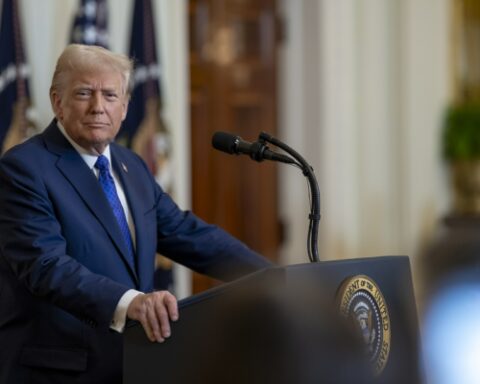
The standoff has not gone unnoticed in Washington. President Donald Trump responded earlier this month with sharp criticism of Spain’s position, expressing frustration over what he views as a lack of cooperation.
“Spain has been terrible,” Trump said while speaking to reporters alongside German Chancellor Friedrich Merz. He added that he had instructed Treasury Secretary Scott Bessent to suspend trade dealings with Madrid in response.
The president’s remarks came after Spain declined to allow the United States to use its military bases in support of operations tied to the Iran conflict. Trump, however, downplayed the significance of Spain’s refusal, suggesting that the U.S. retains the ability to act independently if necessary.
“And now Spain actually said that we can’t use their bases, and that’s all right,” Trump said. “We could use their base if we want. We could just fly in and use it. Nobody’s going to tell us not to use it.”
The exchange highlights a broader strain that can emerge when military action abroad begins to test alliances at home. While the United States continues to press forward with its objectives, Spain’s decision reflects a different calculation—one that appears to weigh the risks and consequences of deeper involvement more heavily.
For Washington, the loss of access to allied airspace and bases can complicate logistics and coordination, even if officials maintain that operations will continue. For Madrid, the move signals a clear attempt to draw a line, distancing itself from a conflict its leadership has openly criticized.
The episode also serves as a reminder that military campaigns rarely unfold in isolation. Even when one nation is determined to act, the willingness—or reluctance—of allies can shape the scope and direction of that effort.
As tensions between the two countries simmer, the dispute underscores a difficult reality: sustaining unity among allies can prove just as challenging as confronting adversaries. And in conflicts where stakes are high and outcomes uncertain, those fractures can become as consequential as the battlefield itself.