
Sen. Roger Marshall argued Tuesday that the economic strain caused by the ongoing war in Iran is a price worth paying, even as Americans across the country grapple with rising fuel costs and broader financial pressure.
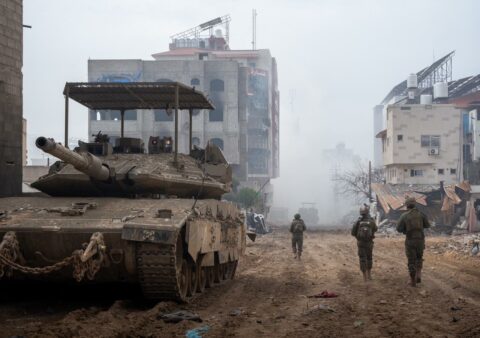
The conflict has disrupted key energy infrastructure throughout the Middle East, with both sides targeting critical facilities. Those developments, combined with Iran’s control over the strategically vital Strait of Hormuz, have significantly slowed the flow of oil tankers and commercial shipping. The situation escalated further over the weekend when Donald Trump announced a U.S. blockade of the narrow waterway, adding another layer of uncertainty to already strained global energy markets.
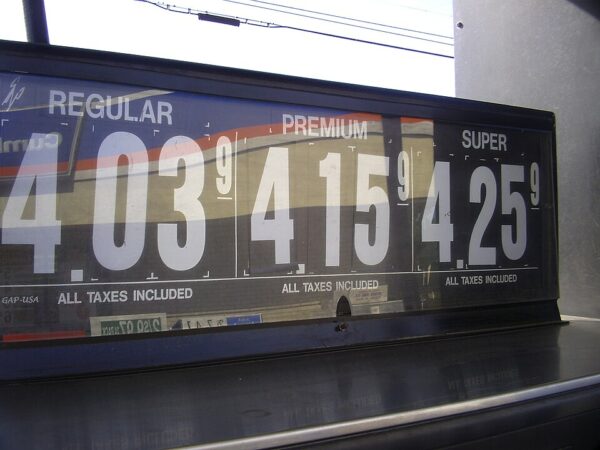
The impact has been swift and visible at home. Gas prices in the United States have surged, placing additional stress on families already dealing with higher costs of living. According to a recent report from the Labor Department, gas prices have jumped by an average of 21.2 percent in recent weeks, with a year-over-year increase of 18.9 percent.
Speaking during an appearance on Newsmax, Marshall acknowledged the burden but framed it in the context of national security and historical sacrifice. He pointed to the example of previous generations, particularly those who fought in World War II, suggesting that Americans today should be prepared to endure short-term hardship in pursuit of a larger objective.
“I think back to my grandparents and their generation that served in World War II,” Marshall said, emphasizing that past conflicts required sustained commitment without strict timelines. He questioned whether it would have been reasonable to impose deadlines on efforts to defeat adversaries like Nazi Germany or Imperial Japan, arguing that success in war often demands patience and resolve.
Marshall expressed hope that the current conflict would be resolved in weeks rather than months, but he maintained that the ultimate goal—greater safety for Americans—justifies the current economic strain. He also sought to reassure viewers by pointing to the United States’ position as a leading oil producer, noting that the country exports more energy than it imports and is not facing the kinds of shortages seen in past crises.
In addition, Marshall highlighted broader economic factors, including wage growth and a forthcoming tax-season rebate that he said could provide Americans with between $1,000 and $1,500 in relief. While acknowledging that rising gas prices are a concern, he argued that assistance is on the way and that the long-term benefits of the current policy approach will outweigh the immediate costs.
Still, his remarks underscore a tension that has become increasingly difficult to ignore. As policymakers emphasize national security priorities, everyday Americans are left confronting higher prices at the pump—costs that can ripple through nearly every aspect of daily life. The senator’s comments reflect a belief that such sacrifices are necessary, but they also highlight the broader reality that decisions made in distant conflicts can quickly find their way into household budgets.
For many families, the question is not just how long the conflict will last, but how much strain they can absorb in the meantime. And while leaders continue to debate strategy and outcomes, the economic toll serves as a reminder that war, even when framed as essential, carries consequences that extend far beyond the battlefield.