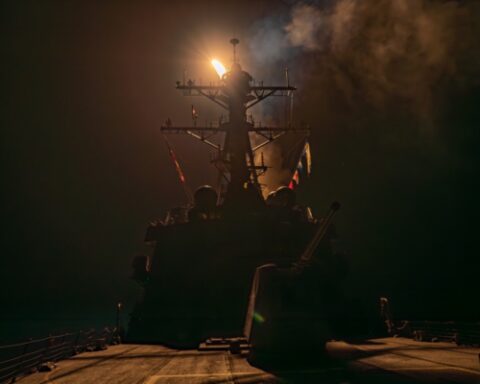

The United States carried out fresh strikes against Iranian targets Monday, hitting missile launch sites and boats allegedly attempting to lay mines in the Strait of Hormuz, according to U.S. Central Command, in the latest sign that the fragile ceasefire between Washington and Tehran remains under severe strain.
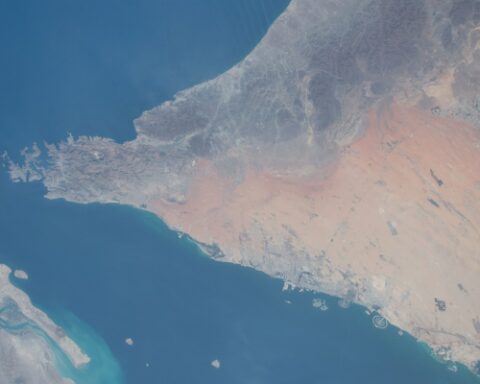
CentCom said the strikes targeted vessels it claimed were attempting to mine the critical shipping lane after Iran shut down the Strait of Hormuz shortly following the start of U.S. and Israeli bombing operations earlier this year. While a ceasefire agreement was implemented last month, sporadic exchanges of fire have continued, underscoring the instability still gripping the region.
According to The New York Times, the latest military action came only hours after Iranian negotiators arrived in Qatar for talks aimed at ending the conflict.
“Hours after Iranian negotiators arrived in Qatar for talks on ending the war, U.S. forces struck missile launch sites in Iran and boats trying to emplace mines,” the newspaper reported Monday night, citing American officials.
U.S. Central Command characterized the operations as defensive in nature, saying the strikes were intended to protect American personnel from potential threats posed by Iranian forces operating in southern Iran.
“Central Command continues to defend our forces while using restraint during the ongoing cease-fire,” Capt. Tim Hawkins, a CentCom spokesman, said in a statement.
The timing of the strikes raised fresh questions about the durability of ongoing diplomatic efforts and highlighted the increasingly difficult balancing act facing the Trump administration as it attempts to pursue negotiations while military operations continue in parallel.
The New York Times also noted that the latest developments come as Israel is reportedly preparing to escalate its military campaign in Lebanon. Iran has insisted throughout negotiations that any ceasefire agreement must also address Lebanon, which Israel invaded in April.
President Donald Trump has repeatedly claimed the United States and Iran are moving closer toward a broader agreement to end the conflict, though Iranian officials have publicly disputed suggestions that a final deal is near.
Two major issues reportedly remain unresolved: the future status of the Strait of Hormuz and the fate of Iran’s nuclear material, much of which remains buried beneath rubble after U.S. and Israeli strikes targeted Iranian nuclear facilities last June.
Administration officials have continued to argue publicly that Iran had been nearing the development of nuclear weapons before the bombing campaign began. However, U.S. intelligence officials had previously concluded that Iran was not close to producing such weapons, a distinction that has fueled continuing debate over the justification for deeper military involvement in the region.
The widening conflict has also carried significant economic consequences. Restrictions on shipping through the Strait of Hormuz have disrupted global energy markets for weeks, with only limited maritime traffic able to safely move through one of the world’s most strategically important waterways.
On Monday, Trump issued a lengthy post on Truth Social discussing ongoing diplomatic efforts. The president said he had spoken with leaders from several countries and indicated that any broader agreement ending the Iran conflict should include participation in the Abraham Accords, the agreements that normalized relations between Israel and several Middle Eastern nations.
The latest military action reflects the increasingly volatile nature of a conflict that has lingered for nearly three months despite repeated ceasefire efforts and diplomatic talks. While officials continue to describe the strikes as defensive and limited, the repeated cycle of negotiations interrupted by military escalation has reinforced concerns about how easily regional conflicts can deepen even as leaders publicly speak of peace.
For now, talks continue in Qatar, but Monday’s strikes served as another reminder that diplomacy and warfare are unfolding side by side in a region where the margin for miscalculation remains dangerously thin.
[READ MORE: Trump Pushes Gulf Nations Toward Abraham Accords As Iran Ceasefire Talks Continue]