
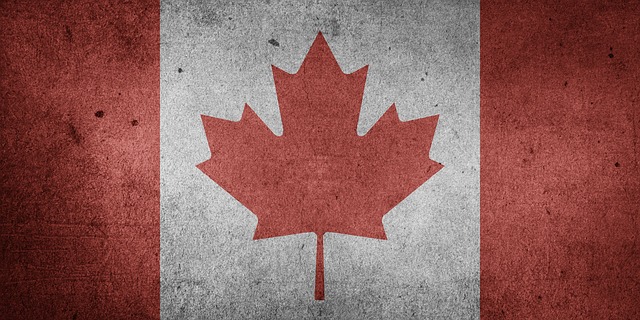
U.S. Ambassador to Canada Pete Hoekstra reignited discussion about President Donald Trump’s long-running comments regarding Canada on Monday after sharing a social media post highlighting the president’s suggestion that America’s northern neighbor could become the “51st State.”
The repost quickly drew attention on both sides of the border, underscoring the lingering tensions that have emerged from Trump’s repeated remarks about Canada despite the countries’ longstanding partnership.
Hoekstra shared a screenshot of a Truth Social post from Trump in which the president wrote simply, “51st State!” The post also included a link to a Bloomberg article discussing economic challenges facing Canada.
The ambassador’s decision to amplify the message marked the latest chapter in a broader debate surrounding the U.S.-Canada relationship, a topic that has generated occasional friction in recent years.
Trump has repeatedly floated the idea of Canada joining the United States, remarks that have been met with resistance from Canadian leaders and officials. The comments have also created periodic diplomatic strain between Washington and Ottawa, despite the countries maintaining one of the closest alliances in the world.
The president has revisited the subject several times in recent years. In March, Trump referred to Canadian Prime Minister Mark Carney as the “future governor of Canada,” reviving a nickname he previously used when speaking about former Prime Minister Justin Trudeau.
While Trump’s supporters have often viewed such remarks as part of his unconventional political style, Canadian officials have generally treated the comments as a serious matter, responding publicly to reinforce Canada’s sovereignty.
Hoekstra’s repost also comes after previous disputes involving the ambassador and Canadian officials over defense and security cooperation.
Earlier this year, Hoekstra became involved in a disagreement regarding Canada’s planned purchase of American-made F-35 fighter jets. During a January interview, the ambassador suggested that the defense partnership between the two countries “would have to be altered” if Ottawa ultimately chose not to move forward with the acquisition.
The comments attracted attention because military and defense cooperation has long been a cornerstone of the relationship between the neighboring nations. Even among close allies, however, disagreements over procurement decisions and broader strategic priorities can sometimes create diplomatic tensions.
Monday’s repost immediately prompted a response from Ontario Premier Doug Ford, who forcefully rejected the suggestion that Canada could ever become part of the United States.
“I can’t believe I have to say this again, but Canada will never be the 51st state,” Ford wrote in a post on X.
Ford went on to emphasize that Canada’s independence is not up for discussion.
“Canada is not for sale,” he added.
The Ontario premier also sought to counter the economic concerns highlighted in Trump’s post by pointing to employment figures in his province.
“While I’m at it, here’s the truth: in April, Ontario created 680 per cent more jobs than the U.S., adjusted for population. That’s how we protect Ontario,” Ford said.
The exchange reflects the increasingly public nature of political disagreements between officials in both countries. While the United States and Canada remain close partners on trade, defense, and international affairs, rhetoric surrounding sovereignty, economic performance, and military cooperation has at times become a source of friction.
For now, Trump’s “51st State” comments continue to resonate well beyond social media, drawing swift reactions from Canadian leaders eager to push back against any suggestion that the country’s future lies anywhere other than as an independent nation.
As the debate continues, the latest exchange serves as another reminder that even among close allies, political rhetoric can carry consequences and spark fresh tensions across borders.
[READ MORE: Trump Adjusts Metal Tariffs, Easing Costs for Key Industries While Maintaining Trade Protections]