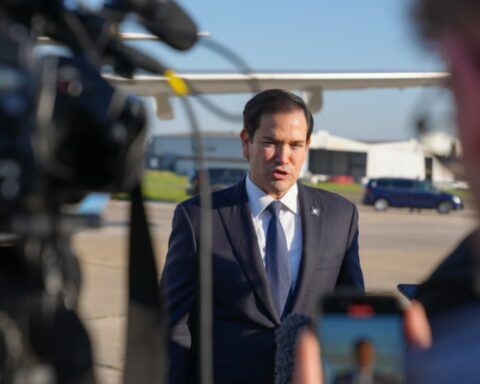

Secretary of State Marco Rubio offered new details Friday about his recent meeting with Pope Leo XIV, describing the conversation as “cordial” even as tensions linger between the Trump administration and the Vatican over the issue of war.
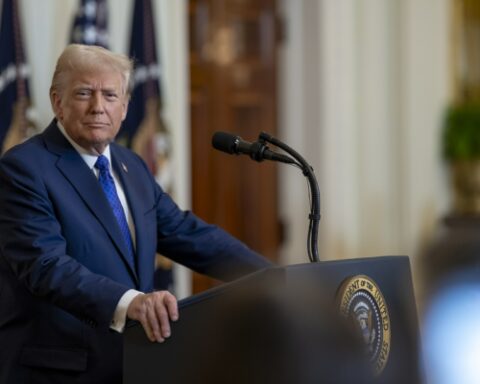
Rubio met with the pope a day earlier at the Vatican, along with several Catholic leaders, in what marked the first such engagement between the administration and the pontiff since President Donald Trump publicly criticized Pope Leo for his repeated calls for peace. Those appeals, while framed in general terms, have included what many interpreted as veiled criticism of the administration’s posture on global conflicts.
Speaking to reporters, Rubio said the meeting covered a wide range of topics, emphasizing areas where the United States and the Catholic Church continue to work together internationally. He acknowledged that much of the public focus has been on disagreements, but suggested the discussion was broader in scope.
“We had a very good meeting,” Rubio said, noting that the U.S. regularly engages with the Church on issues across different regions of the world. He added that he provided an update on the situation involving Iran and outlined the administration’s perspective, including what he described as the importance of the issue and the dangers Iran poses globally.
Rubio’s remarks reflect the administration’s effort to frame its foreign policy in terms of security concerns, even as religious leaders have continued to stress the moral and humanitarian dimensions of ongoing conflicts. The Vatican, long an advocate for peace and dialogue, has often taken a more cautious tone when it comes to military action.
The secretary acknowledged that dynamic, describing the pope as a spiritual leader whose primary mission centers on peace and respect for humanity. “The Holy Father is a spiritual leader first and foremost,” Rubio said, adding that the Church’s role has historically involved advocating for peace and human dignity.
Despite the underlying differences, Rubio maintained that the meeting was productive and respectful. He characterized it as an important exchange, suggesting that even in times of disagreement, dialogue remains essential.
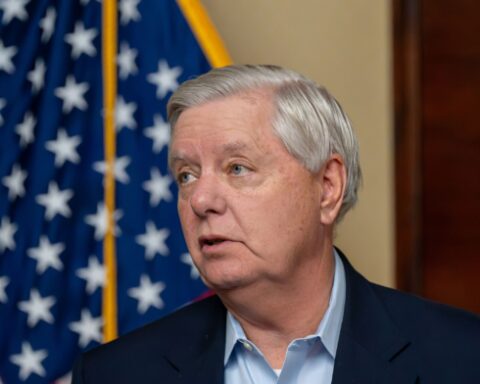
The backdrop to the meeting, however, includes reports of a more contentious interaction between U.S. officials and Vatican representatives in recent weeks. According to earlier reporting, a meeting at the Pentagon involving Catholic Church officials was described as tense, with claims that U.S. officials issued threats and referenced historical periods when the papacy was influenced by military power. That characterization has since been disputed, leaving questions about the nature of that encounter unresolved.
Taken together, the developments highlight the delicate relationship between political leadership and religious authority, particularly when global conflicts are involved. While governments may focus on strategic and security concerns, institutions like the Catholic Church often emphasize the human cost of war and the need for restraint.
Rubio’s account of his meeting suggests that, at least publicly, both sides are working to maintain a respectful dialogue. Yet the contrast in tone—between calls for peace and justifications for continued pressure—underscores a broader tension that is unlikely to disappear anytime soon.
As discussions continue behind closed doors, the challenge remains balancing national interests with the enduring call for peace—a balance that, in times of conflict, is rarely easy to strike.
[READ MORE: British Voters Shake Up Political Order as Labour Suffers Heavy Losses in Local Elections]