

The Treasury Department on Monday announced a temporary easing of restrictions on Iranian oil exports, taking a major step outlined in last week’s memorandum of understanding between the United States and Iran.
Treasury Secretary Scott Bessent revealed the move in a statement posted to the social media platform X, describing it as part of a broader diplomatic framework tied to ongoing negotiations in Switzerland.
“In line with the ongoing productive talks in Switzerland, Iran has committed to free and open transit in the Strait of Hormuz and to permit International Atomic Energy Agency (IAEA) inspectors into their country,” Bessent wrote.
As a result of those commitments, the Treasury Department issued a 60-day general license authorizing activities that would normally be restricted under existing sanctions.
“As part of the framework, Treasury has issued a temporary 60-day general license authorizing the production, delivery, and sale of Iranian oil,” Bessent said.
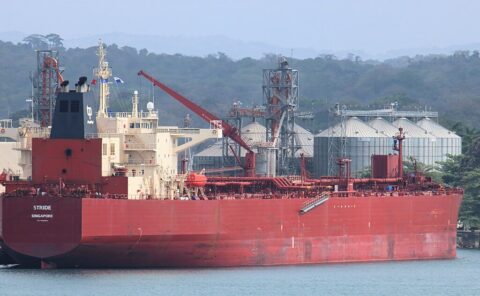
The temporary authorization covers a wide range of transactions involving Iranian energy products. According to the Treasury Department, the license permits transactions related to the production, sale, delivery, and offloading of Iranian crude oil, petrochemical products, and other petroleum products that would otherwise be prohibited.
The announcement did not come as a surprise. The memorandum of understanding unveiled last week explicitly stated that the United States would move quickly to provide sanctions relief related to Iranian oil exports. Monday’s action represents one of the first major economic steps taken under that agreement.
Supporters of diplomatic efforts often point to the economic benefits that can come from reducing tensions and reopening critical trade routes. The framework between Washington and Tehran is also tied to a broader ceasefire arrangement that was expected to include renewed access through the Strait of Hormuz, one of the world’s most important oil shipping corridors.
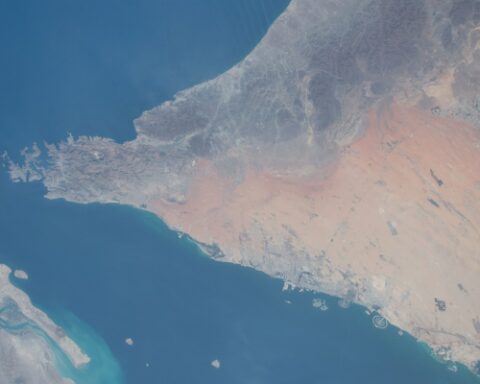
The waterway has long been viewed as a strategic chokepoint for global energy markets, and disruptions there can have significant consequences for international commerce. U.S. officials have said the strait is currently open to maritime traffic.
However, uncertainty remains. Over the weekend, Iran’s military announced that it was closing the waterway once again, raising questions about conditions on the ground and the durability of commitments made under the agreement.
The Treasury Department’s decision is expected to provide a substantial boost to Iran’s economy. By easing restrictions on oil exports, the waiver could allow Iran to sell a larger volume of oil on international markets. Analysts also expect the move could improve the prices Iran receives for those exports.
The administration has framed the temporary license as part of a broader effort to advance the framework negotiated with Tehran. The authorization lasts for 60 days and is directly tied to the commitments outlined during the talks in Switzerland.
While the long-term impact of the agreement remains uncertain, the immediate effect is clear: restrictions that have limited Iranian oil exports are being temporarily relaxed, opening the door for increased energy sales as both sides continue discussions aimed at sustaining the broader ceasefire arrangement.
For now, the administration is betting that economic incentives and diplomatic engagement can help preserve stability in a region where disruptions to trade routes and military confrontations have often carried significant costs.