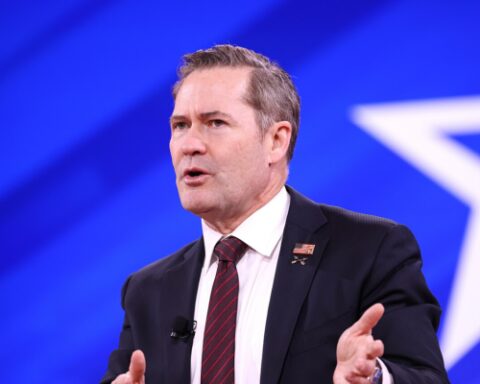

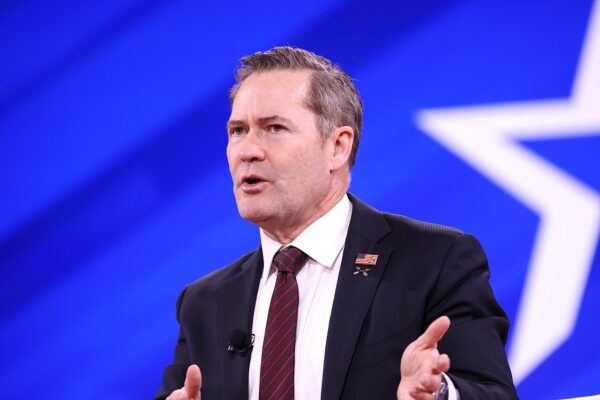
A tense emergency meeting of the United Nations Security Council erupted into a sharp exchange Thursday after U.S. Ambassador Mike Waltz forcefully pushed back against Iran’s top diplomat, accusing him of attempting to silence debate over the ongoing Gulf crisis.
The confrontation began after Iranian Ambassador Amir Saeid Iravani argued that the Security Council should not have been meeting and accused Waltz and other council members of spreading falsehoods during the session.
Waltz responded with a pointed rebuke.
“This is not Tehran,” Waltz said. “This is the United States of America. This is the United Nations Security Council. You will not silence this body.”
The exchange quickly intensified as Waltz challenged Iravani’s accusation that statements made by representatives from the United States, Bahrain and other members of the council were based on misinformation.
“The representative goes on to say that the ambassador from Bahrain, the foreign minister, myself, and other members of this body are full of lies; they were lying,” Waltz said.
He then questioned which parts of the testimony presented during the meeting Iran believed were false.
“Let me ask you. What here is a lie? Who’s lying here?” Waltz asked.
He pointed to accounts presented during the session involving civilians and emergency responders affected by Iranian strikes.
“Is this Arab family in Bahrain in a residential neighborhood whose home was destroyed by an Iranian Shahed drone, are they lying? Crowne Plaza Hotel, full of tourists? Are they lying? First responders whose headquarters were struck deliberately so that they couldn’t put out fires: Were they lying?” Waltz said.
He continued by questioning whether photographs presented during the meeting were also being dismissed.
“Are these photographs, are these lies? I’d say not,” he said.
The heated exchange capped a day of testimony at the Security Council that included remarks from Bahrain Foreign Minister Abdullatif bin Rashid al-Zayani.
According to al-Zayani, Bahrain has been struck by 808 Iranian missile and drone attacks since late February. He said those attacks included 203 ballistic missiles and more than 600 armed drones.
Al-Zayani told the council that the strikes killed three civilians and wounded 465 others. He also said homes, hospitals and infrastructure had been hit during the attacks.
The Bahraini foreign minister warned that one strike in April hit an ammonia tank and came close to triggering what he described as a toxic gas catastrophe.
Earlier in the session, Waltz argued that the Trump administration’s patience with Tehran was diminishing as tensions continued in the Gulf.
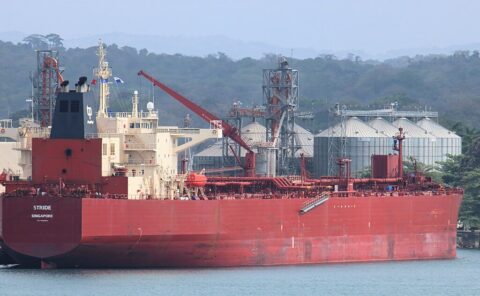
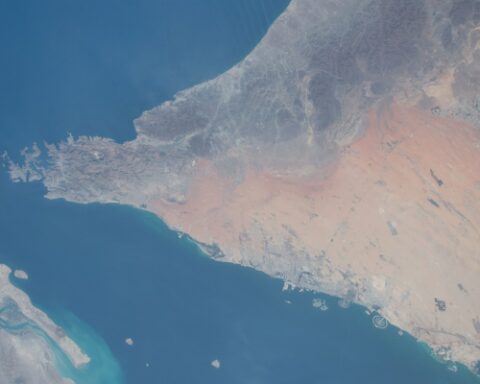
He accused Iran of disrupting global commerce by restricting traffic through the Strait of Hormuz, which he described as a critical international shipping route.
“Iran cannot, and we cannot allow it to, hold the world’s economy hostage,” Waltz said.
He also argued that a “transformative” opportunity remained available for the Iranian people if Tehran chose a different path.
Iravani rejected Waltz’s accusations, describing the U.S. ambassador’s remarks as “lies and disinformation.”
The Iranian envoy maintained that Iran’s military strikes were defensive responses against American bases that had been used to launch attacks on Iranian territory.
He also argued that the United States should not dictate security policy in the Gulf, asserting that decisions regarding the region should be left to the countries located there.
Waltz, however, forcefully rejected Iran’s criticism throughout the exchange, delivering one of the most confrontational moments of the emergency Security Council meeting as the debate over the Gulf crisis continued.
[READ MORE: Reports Say U.S. Warned Iran of Alleged Israeli Threat Against Top Negotiators During Ceasefire Talks]