
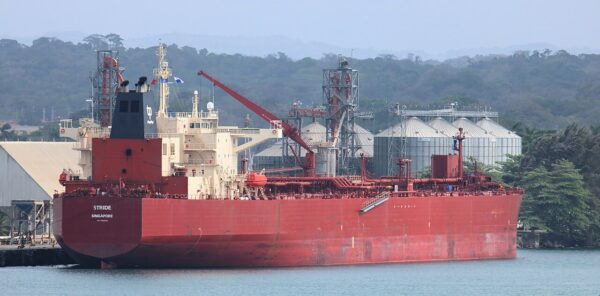
Iranian state media reported Thursday that Tehran could move to block U.S. and Israeli vessels from transiting the Strait of Hormuz as negotiations with Oman continue over reopening the vital waterway to commercial shipping.
According to the reports, members of Iran’s Parliament are reviewing legislation that would prohibit what it describes as “hostile” vessels from passing through the strategic maritime chokepoint, which under normal conditions carries roughly one-fifth of the world’s daily oil shipments.
State media said ships found violating the proposed policy could face a 20 percent fine if intercepted by Iranian authorities.
In addition, vessels approved to pass through the strait would reportedly be required to pay fees related to insurance, refueling, and environmental costs.
The proposal comes as tolls on international waterways are widely viewed as conflicting with the principle of freedom of navigation protected under the United Nations Convention on the Law of the Sea.
If implemented, the restrictions would likely prevent U.S. and Israeli vessels from using the available routes through the strait. The two nations launched joint strikes against Iran’s nuclear facilities last year and again in February, actions that marked the beginning of a conflict that has now stretched beyond five months and expanded across the Middle East.
Since the conflict began, the Trump administration has explored several potential diplomatic off-ramps aimed at ending the fighting. Those efforts have not succeeded, however, as officials in Tehran and Washington have repeatedly accused each other of violating previously agreed-upon terms.
Control of the Strait of Hormuz has remained one of the central issues throughout the conflict. Iran has sought to tighten its grip over the shipping route, including by mining portions of the waterway in an effort to prevent unwanted maritime traffic.
Following the signing of a memorandum of understanding between the United States and Iran, American troops and Iranian forces worked together in June to remove mines from the strait as part of a 60-day ceasefire agreement. The truce, however, lasted less than a month before fighting resumed, reigniting the struggle over control of the strategically important passage.
At present, the United States is enforcing a naval blockade intended to reduce Iran’s oil and trade revenue while increasing economic pressure on Tehran in hopes of achieving a diplomatic settlement and reopening the strait without tolls.
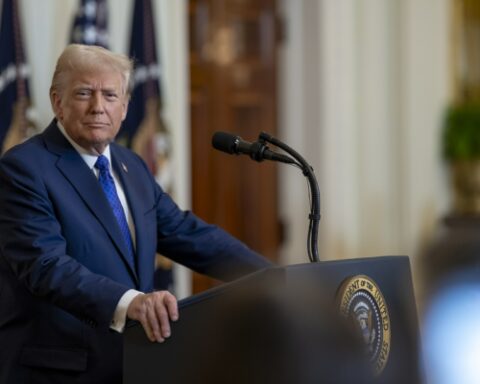
President Trump addressed the situation on Thursday, telling reporters that while the United States maintains control, Iran still retains the ability to create disruptions.
“We control it, but they can always shoot something, they always have something, or drop a mine, and if you have one mine out there you sort of mess things up, because people don’t want to take their billion-dollar boats and accidentally get hit by a mine, but I think we’re doing very well,” Trump said.
Iranian leaders have rejected that characterization.
The Trump administration has continued to insist that no tolls should be imposed on vessels traveling through the strait.
“Any temporary routes will be without any impediments — meaning no approvals or permissions and no tolls or charges. The Strait of Hormuz is an international waterway and no party controls the lanes or the ability to transit through them,” an anonymous U.S. official told NPR, explaining they were not authorized to speak publicly.
As Iran and Oman move closer to an agreement to restore commercial traffic through the Strait of Hormuz, economists and world leaders are watching closely for signs that stability could return to global oil markets after months of disruption caused by the conflict.
Trump also said Iran remains open to negotiating another peace agreement, while Turkey’s foreign minister confirmed Thursday that diplomatic discussions could soon produce an agreement.