
The Trump administration’s economic isolation campaign against Iran is devastating the country’s economy, according to a Treasury Department report released Friday. The report shows soaring inflation, a collapsing currency and an oil export business that has come to a halt.
Treasury Secretary Scott Bessent launched the campaign, called “Operation Economic Outcast,” on Aug. 24. President Trump has called it Iran’s “economic D-Day.” The operation expanded secondary sanctions to target five sectors Iran relies on to generate revenue and evade sanctions: digital assets, technology, gold, aviation and shipping. Bessent warned that any institution that launders money for Tehran will be cut off from the U.S. dollar system.
Two months in, Treasury says the pressure is working.
According to the report, Iran’s headline inflation, which tracks price increases across all goods and services, hit 90% in September, up from roughly 35% in early 2025.
The Iranian rial has lost about a quarter of its value since the operation began. In October, the unofficial exchange rate fell to a record low of about 2.687 million rials to the dollar.
The report warns that a weaker rial and shrinking access to world markets are driving inflation even higher and putting more strain on an already fragile economy.
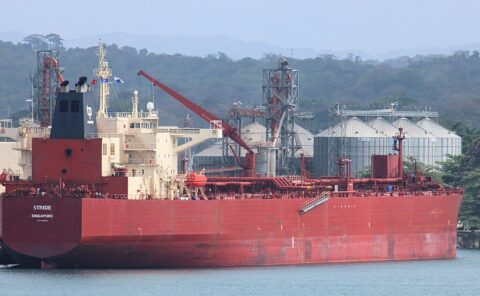
Treasury also found that Iran has not loaded any oil onto tankers since Aug. 25, the day after Bessent announced the operation.
The pressure has also hit Iran’s aviation and formal financial sectors. The UAE, Oman, Iraq, Georgia and Azerbaijan have barred Iranian airlines and canceled flights to Iran, according to the report as described by Axios.
In a recent CNBC appearance, Bessent called the campaign “very successful.” He said the regime can no longer pay its troops and cannot get its hands on dollars to replenish its finances. Bessent added that the squeeze is cutting into the money Iran sends to its terror proxies, including the Houthis, Hamas and Hezbollah.
Bessent has reportedly emerged as one of Trump’s top advisers urging the president to let the economic campaign play out instead of rushing back into combat, according to Axios. The outlet reported that Trump is pursuing two tracks at once: working toward a deal to restart peace talks while preparing for a possible return to major military operations after the midterm elections.
Not everyone agrees the campaign has reached its full potential. Two experts from the Washington Institute for Near East Policy argued that closer sanctions coordination with U.S. allies would make the pressure more effective, according to The Jerusalem Post.
There are also signs that Tehran is still funding its proxies. Lebanese security sources told Reuters that Hezbollah has received tens of millions of dollars from Iran and has spent the last three months preparing for possible renewed hostilities with Israel.
Critics of the administration’s military and economic campaigns against Iran have pointed to costs at home, including higher fuel prices.
The administration’s stated goal remains unchanged: to cut off every economic lifeline that sustains the regime and to keep Iran from ever obtaining a nuclear weapon.