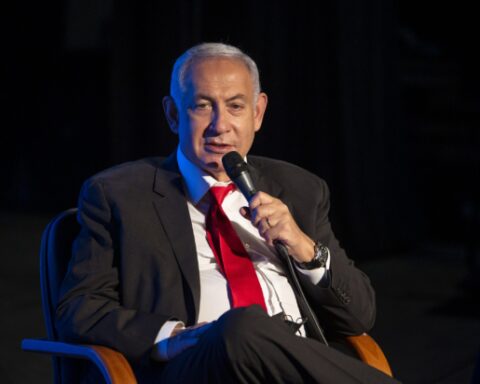


Israel’s opposition bloc said Friday it is gaining ground in its push to unseat Prime Minister Benjamin Netanyahu after a key hard-liner abruptly reversed course on one of the country’s most divisive issues: military service for ultra-Orthodox Jews.
Avigdor Liberman, a former Netanyahu aide turned fierce critic, dropped his veto on working with ultra-Orthodox parties unless they accept conscription. That clears the way for a partnership that would have seemed unthinkable just weeks ago.
The Oct. 27 election left neither Netanyahu, the longest-serving prime minister in Israel’s history, nor opposition leader Gadi Eisenkot with a governing majority. The vote came as Israelis remain sharply divided over Netanyahu and worn down by three years of war that began with Hamas’ Oct. 7, 2023, terror attack.
Eisenkot, a former military commander, said he expects President Isaac Herzog, who met with party leaders this week, to give him the mandate to form a government when Herzog makes his announcement Sunday.
“We have made significant progress and achieved breakthroughs, quietly and modestly, with much still happening behind the scenes,” Eisenkot posted on X shortly before the Sabbath began.
Yair Golan, Israel’s main left-wing leader, struck a similar tone, saying he was “more optimistic” than he had been the morning after the results came in.
Eisenkot, who campaigned to win over secular and liberal voters, could in theory build a coalition with Arab Israeli parties, whose seat totals jumped amid anger at Netanyahu’s right-wing government. That path runs into Liberman, however. He shares Netanyahu’s hawkish stance toward the Palestinians and refuses to partner with Arab parties.
Instead, Liberman said Friday it was time to open talks with the ultra-Orthodox, even though he campaigned on ending their exemption from Israel’s mandatory military service.
“This pains me, and I know it pains many others as well. But given the full range of challenges we face today, the national interest of the State of Israel and the Jewish people must take precedence over all other considerations,” Liberman said. He warned that “trying to have everything risks getting nothing.”
The about-face is striking. During the campaign, Liberman put up posters vowing to crack down on “draft-dodgers,” and earlier this year he called ultra-Orthodox Jews “anti-Jewish” over their demands. His Yisrael Beiteinu party won seven seats, the fewest among the five core opposition parties.
The draft exemption has stoked deep resentment among Israelis, especially as reservists have served tour after tour since Oct. 7. The ultra-Orthodox make up roughly 14% of the population and have a birth rate well above the national average.
Netanyahu, though personally secular, has long depended on ultra-Orthodox support, but he never wrote the exemption into law. That angered the community’s two main parties, United Torah Judaism and Shas. Both left his government, though neither tried to bring it down. Together they hold 13 seats, enough to put Eisenkot over the top.
On Thursday, United Torah Judaism declined to recommend Netanyahu to Herzog but stopped short of backing Eisenkot. Lawmaker Yaakov Asher welcomed Liberman’s shift and said the party’s rabbis would weigh any formal offer.
“It is encouraging to learn of the flexibility of all political actors on the subject of conscription,” Asher said.
Eisenkot said he remains committed to “mandatory service for all,” though that service could be civilian work. He urged parties to join him “now or at a later stage,” hinting he could first form a minority government.
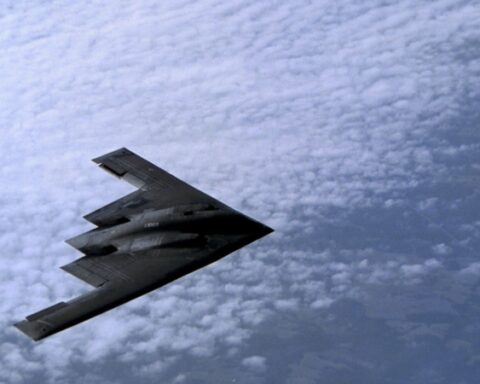
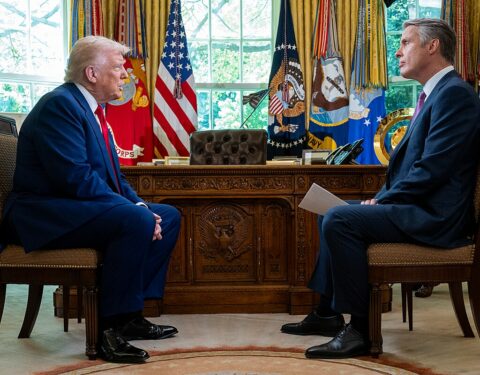
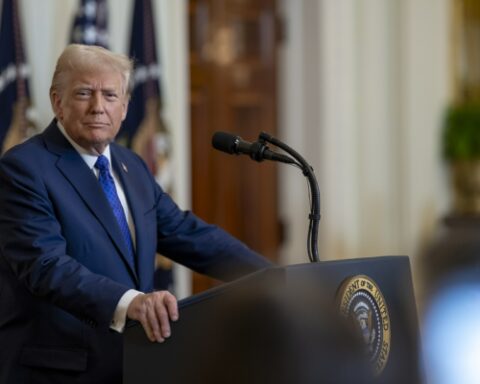
He also pointed to speculation that Netanyahu could resume war against Iran alongside President Donald Trump. He warned that the current government “poses a fundamental threat to the very existence of Israeli democracy.”