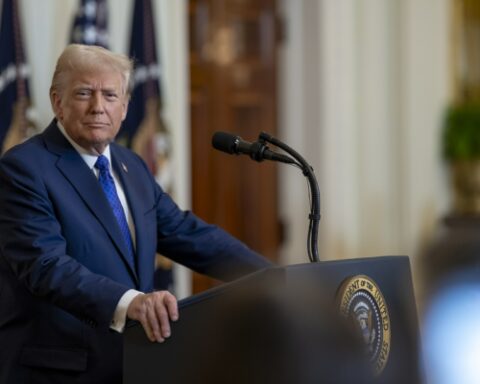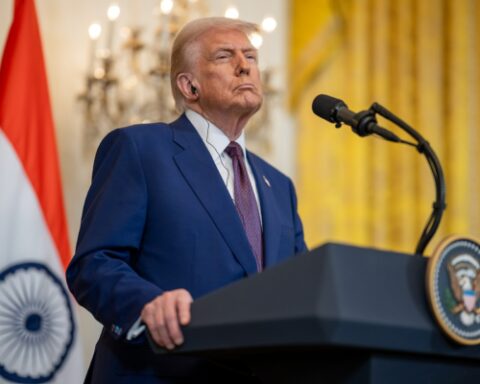


President Donald Trump announced Tuesday that the United States will extend its ceasefire with Iran, offering a temporary reprieve in hostilities as efforts to restart negotiations remain uncertain.
In a Truth Social post, Trump said the decision came following requests from Pakistani leaders, including Field Marshal Asim Munir and Prime Minister Shehbaz Sharif, who have been working to mediate between Washington and Tehran. The ceasefire, he said, will remain in place until Iran presents a unified proposal and talks are brought to a conclusion.
Even as the administration holds back from immediate military action, Trump made clear that U.S. forces remain in position. The naval blockade of Iranian ports will continue, and the military stands ready should negotiations collapse. The posture reflects a broader strategy—apply pressure, but leave room for a deal.
The extension marks a notable shift in tone from earlier remarks the same day. In a morning interview, Trump expressed skepticism about prolonging the ceasefire, warning that time was running short and suggesting that military action, including bombing, could follow if Iran failed to reach an agreement.
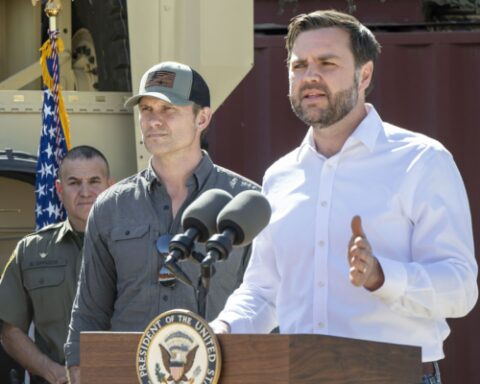
Despite the temporary pause, diplomacy appears to be on shaky ground. A planned U.S. delegation trip to Pakistan—expected to include Vice President JD Vance—was postponed, with the White House indicating that any updates on in-person talks would be announced later. At the same time, Iran signaled through Pakistan that it would not participate in scheduled negotiations in Islamabad, leaving the process in limbo.
Pakistani officials continue to urge both sides to pursue dialogue, emphasizing the importance of diplomacy over escalation. Sharif publicly thanked Trump for extending the ceasefire and voiced hope that negotiations could ultimately lead to a lasting peace agreement.
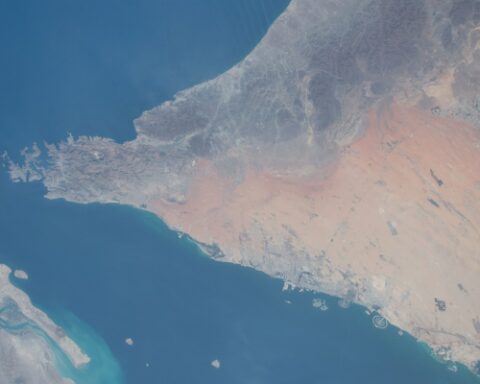
Still, recent events underscore how fragile the situation remains. Over the weekend, U.S. forces intercepted and attacked an Iranian cargo vessel attempting to evade the naval blockade near the Strait of Hormuz. Iran responded by vowing retaliation, raising concerns that even limited incidents could spiral into a broader confrontation.
Behind the scenes, U.S. troops in the region remain on alert, prepared to carry out strikes against Iranian targets if authorized. Meanwhile, the administration is also pursuing economic pressure. The Treasury Department announced new sanctions targeting individuals and networks tied to Iran’s missile and drone programs.
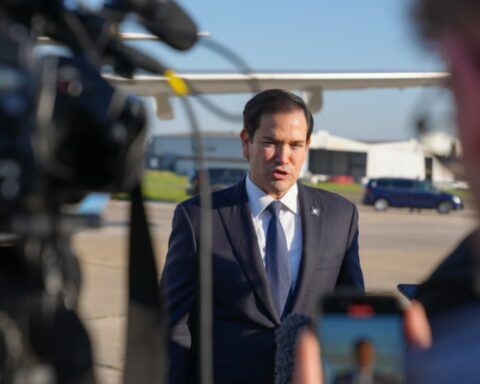
Treasury Secretary Scott Bessent said the sanctions are aimed at holding Iran accountable for its actions, including attacks on neighboring countries and its role in global energy disruptions.
Analysts suggest the ceasefire extension may signal a desire to avoid immediate escalation, even as leverage is maintained. Some see it as a way to stabilize markets and reduce the risk of sudden conflict, while others view it as an attempt to find a path out of a prolonged standoff without making major concessions.
For now, the ceasefire offers a narrow window for diplomacy to regain traction. But with negotiations stalled and tensions still simmering, the situation highlights a familiar reality: even when the guns fall silent, the risk of renewed conflict is never far off, and the costs of miscalculation remain high.