
A new report is now reportedly raising eyebrows in Washington, suggesting the United States may be weighing a controversial proposal to release billions in frozen funds to Iran as part of a broader effort to end the ongoing conflict. According to Axios, the plan under discussion could involve as much as $20 billion in exchange for Iran’s enriched uranium stockpile—a move that would immediately spark debate over both national security and the cost of diplomacy.
The reported framework, described as a three-page proposal, is said to be one of several ideas circulating among negotiators seeking a path to peace. Two anonymous U.S. officials, along with additional sources familiar with the talks, told Axios that the cash-for-uranium concept is being considered as part of ongoing efforts to resolve the war. One official characterized it as just “one of many discussions,” underscoring the fluid and uncertain nature of the negotiations.
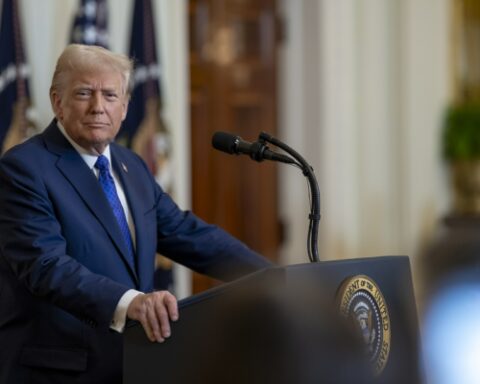
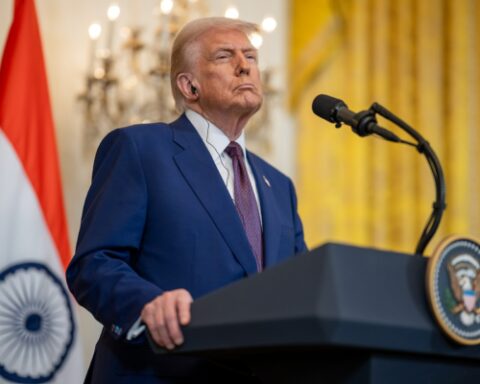
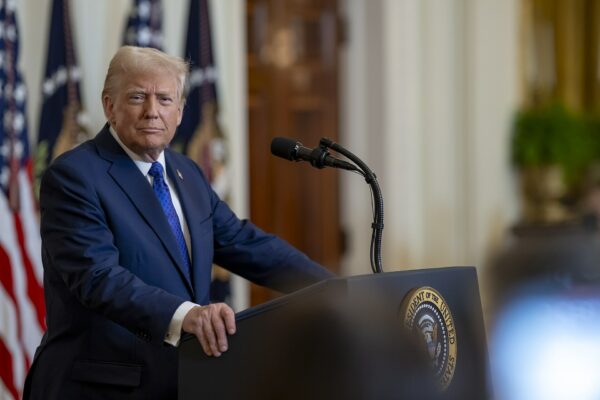
But the report was quickly met with a firm denial from Donald Trump, who dismissed the idea outright. Posting on Truth Social, Trump declared that the United States would not be paying for Iran’s nuclear materials under any circumstances. Instead, he insisted that any remnants of Iran’s nuclear capabilities would be dealt with through military means, stating that no money would change hands “in any way, shape, or form.”
The conflicting narratives highlight the tension surrounding the negotiations, where the stakes extend beyond diplomacy into questions of security, strategy, and cost. While the idea of securing enriched uranium through financial incentives may appeal to some as a quicker route to de-escalation, it also raises concerns about setting precedents and the broader implications of such an exchange.
Trump has also signaled a willingness to take a more direct role in the process. He indicated Thursday that he may travel to Islamabad, Pakistan, if negotiators can make progress during a second round of talks scheduled for the weekend. The first round of discussions failed to produce a breakthrough, with disagreements over uranium enrichment emerging as a central obstacle.
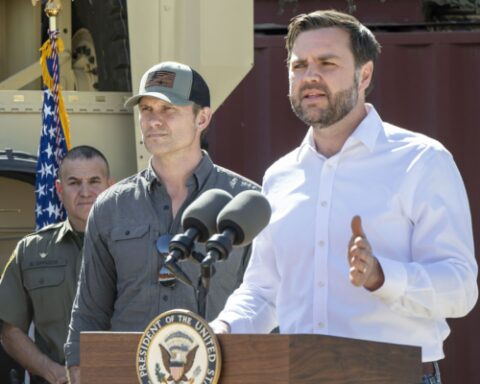
Vice President J.D. Vance pointed to Iran’s continued pursuit of enriched uranium—and its apparent interest in maintaining the capability to develop nuclear weapons—as the primary sticking point. That issue remains at the heart of the negotiations, with U.S. officials focused on preventing access to a substantial stockpile believed to be stored in underground facilities.
According to the report, Iran is estimated to possess nearly 2,000 kilograms of enriched uranium, including about 450 kilograms refined to 60% purity. That level of enrichment is widely viewed as dangerously close to weapons-grade material, making its disposition a critical concern for negotiators.
Discussions are now centered on what to do with that stockpile and how much of Iran’s frozen assets, if any, should be released. One option reportedly under consideration would involve transferring the uranium to a third country, rather than bringing it to the United States. Another possibility includes “down-blending” some of the material within Iran itself under international supervision—a process that reduces enrichment levels and renders the uranium unsuitable for weapons use.
As talks continue, the situation reflects the difficult balance between pursuing peace and maintaining leverage. Ending a conflict may require compromise, but proposals involving large financial concessions can carry long-term consequences. With no agreement yet in place, and key details still unresolved, the path forward remains uncertain—underscoring the complexity of negotiating an end to a war where the risks, both immediate and lasting, are considerable.