
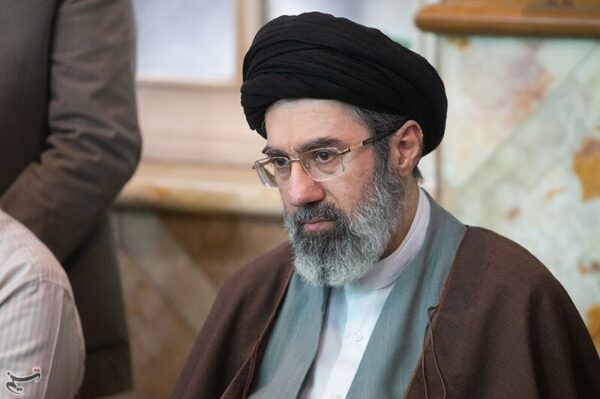
In the aftermath of a devastating U.S. military campaign, Iran’s newly elevated supreme leader, Mojtaba Khamenei, is reportedly facing a long and difficult recovery after being seriously injured in the same airstrike that killed his father.
The conflict began when the United States launched Operation Epic Fury at the end of February, initiating a war that quickly reshaped Iran’s leadership. The initial strikes reportedly killed nearly 50 senior figures, including longtime supreme leader Ali Khamenei. Within days of his death being confirmed by Iranian officials, Mojtaba was named as his successor, thrust into power during one of the most volatile moments in the country’s recent history.
Yet since assuming the role, Mojtaba has remained largely out of public view. Early reports suggested his condition was dire, with some U.S. officials even speculating that he might not have survived his injuries. That uncertainty only deepened as days passed without a public appearance from the new leader.
A Thursday report from The New York Times offers a clearer, if still sobering, picture. According to the outlet, Mojtaba Khamenei is alive and actively engaged in governing, though he is recovering from severe and debilitating injuries. Citing four senior Iranian officials, the report details multiple surgeries on one leg, with a prosthetic likely required. He has also undergone surgery on one hand and is slowly regaining its function.
The physical toll extends beyond mobility. The report states that his face and lips suffered severe burns, leaving him with difficulty speaking and requiring future plastic surgery. These injuries have reportedly shaped how and when he communicates with the public.
Rather than delivering speeches or video messages, Mojtaba has chosen to issue written statements, which are disseminated online and read aloud on state television. According to officials, this decision is deliberate—he does not want to appear vulnerable or project weakness in his first public address as supreme leader.
Even more striking is the method by which he governs behind the scenes. Messages to and from the leader are reportedly handwritten, sealed, and passed through a network of trusted couriers traveling by car and motorcycle across highways and back roads. This low-tech chain of communication underscores both the precariousness of his situation and the broader instability facing the regime.
Beyond his physical condition, there are indications that Mojtaba Khamenei may be charting a different leadership style than his father. While Ali Khamenei was known for exerting tight, centralized control over decisions involving war, peace, and negotiations, his son is described as taking on more of a coordinating role—relying heavily on advisers and functioning more like a “director of the board.”
That shift could signal a notable change in how power is exercised in Tehran, even as the country grapples with the consequences of a conflict that has already exacted a heavy toll. The human cost, on both sides, remains a sobering reminder that while military actions can alter leadership overnight, the long-term effects are often far more complicated—and far more enduring.