
A potential breakthrough emerged Friday in efforts to end the more than 100-day conflict between the United States and Iran, as Pakistan’s prime minister announced that the two sides have reached an agreement on a peace framework that could pave the way toward a formal deal.
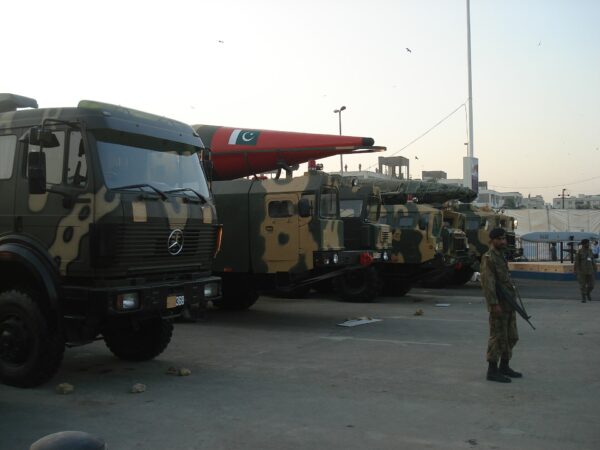
Pakistan has played a central role in mediating talks between Washington and Tehran, seeking to bring an end to months of hostilities that have fueled instability across the Middle East and disrupted one of the world’s most important shipping routes. The prolonged conflict has contributed to the effective closure of the Strait of Hormuz, a critical maritime corridor whose disruption has placed economic pressure on both countries.
Pakistani Prime Minister Shehbaz Sharif said his government is continuing to work closely with both sides as negotiators attempt to finalize the remaining details.
In a post on the social media platform X, Sharif expressed optimism that a resolution is within reach.
“Peace has never been this close as it is now,” he wrote.
Sharif also addressed reports circulating about the contents of a memorandum of understanding reportedly being discussed by the United States and Iran. While acknowledging that conflicting accounts have emerged regarding the framework, he emphasized that negotiations remain active and that Pakistan continues to facilitate discussions between the two sides.
The prime minister suggested that opponents of the negotiations have contributed to confusion surrounding the process.
“Amid ongoing intense mediation efforts by Pakistan, we are fully aware of incessant misinformation campaign being waged by those who want to sabotage the peace deal,” Sharif said.
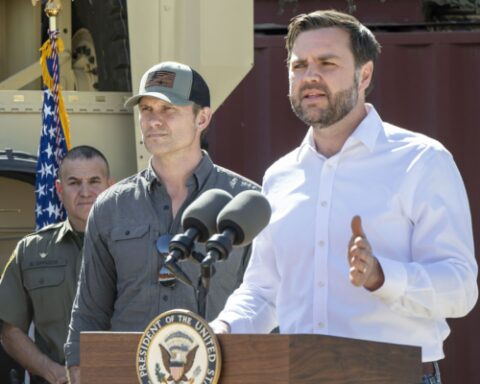
The comments came as President Donald Trump and Vice President JD Vance sought to reassure concerned Republicans following reports about details allegedly leaked by Iranian sources. Those reports raised questions among some conservatives, particularly claims suggesting that Iran could receive financial benefits under the proposed arrangement.
Despite those concerns, signs of progress continued to emerge from both negotiating camps.
Iranian Foreign Minister Abbas Araghchi indicated earlier Friday that an agreement may be closer than at any previous point in the talks.
“Pending its finalization, the media should refrain from entering speculation about its content,” Araghchi wrote on X. “In line with our responsible and transparent approach, all details will be shared with the public in due course.”
His remarks appeared aimed at reducing speculation as negotiators continue working through the final stages of the process.
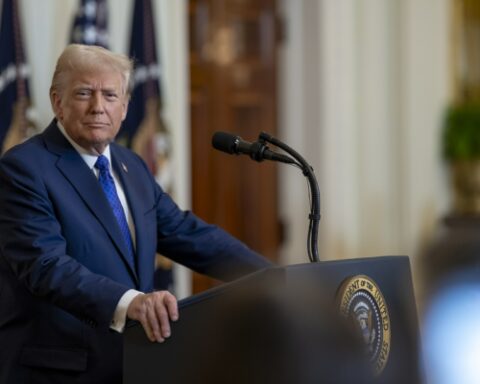
Trump responded positively to Araghchi’s statement during a phone conversation with Axios reporter Barak Ravid, describing the foreign minister’s comments as “very positive.”
Meanwhile, a White House official told NewsNation that the agreement was roughly 75 percent complete. The assessment followed Trump’s statement a day earlier claiming that Iran’s supreme leader had already approved the framework.
The diplomatic push has unfolded alongside continuing military tensions. Trump had threatened new strikes on Thursday but later canceled those plans as negotiations advanced, underscoring both the fragile nature of the talks and the high stakes involved. The developments highlighted the contrast between continued military pressure and growing momentum toward a negotiated settlement.
Trump told reporters Thursday that he expects a signing ceremony to take place in Europe this weekend if the remaining details can be finalized. According to the president, Vice President Vance would represent the United States at the event.
For now, negotiators appear focused on converting the emerging framework into a final agreement, with officials from all sides signaling that an end to the conflict may be closer than at any point since the war began.