

Cuba’s ambassador to the United Nations, Ernesto Soberón Guzmán, delivered a message Monday that blended openness to diplomacy with a firm warning: while Havana is prepared to engage in talks with the United States, it also stands ready to defend its independence if tensions escalate further.
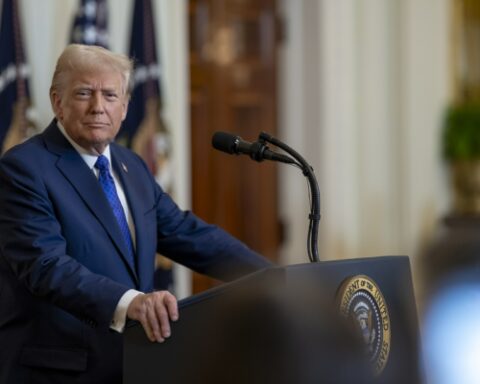
Appearing on America’s Newsroom with anchor Bill Hemmer, Guzmán responded to mounting pressure from President Donald Trump, who recently signed an executive order targeting Cuban officials across key sectors, including energy, defense, finance, and security. The move comes alongside an ongoing blockade of oil shipments to the island, a strategy that has contributed to widespread blackouts and severe fuel shortages.
Hemmer pointed to the stark economic reality on the ground, noting reports that gasoline prices in Cuba have surged dramatically, reflecting the strain of the restrictions. He suggested that the tightening measures appeared to be squeezing the Cuban government, raising the question of whether Havana might now be more inclined to negotiate.
Guzmán did not dispute the severity of the situation, acknowledging that a blockade “exists,” but emphasized that Cuba’s willingness to engage is not new. According to the ambassador, the Cuban government has for years expressed interest in establishing a more constructive relationship with the United States—one that would benefit both sides, including American businesses and citizens.
He argued that such cooperation is not without precedent, pointing to a period when Cuba served as a destination for cruise ships departing from Florida and participated in bilateral trade. However, he made clear that any renewed relationship would come with firm conditions: negotiations must be conducted on equal footing, with mutual respect for sovereignty and without interference in domestic affairs.
Pressed further on whether Cuba is open to additional talks, Guzmán reiterated that this stance reflects a long-standing position of the Cuban government. Despite the escalating pressure, he framed dialogue as both possible and desirable, provided it adheres to principles of reciprocity and independence.
The interview also touched on rhetoric from President Trump, who recently told supporters in Florida that the United States could “take over” and predicted Cuba would quickly “give up” in the face of American military presence. Guzmán pushed back strongly against that notion, rejecting any suggestion that the Cuban people would surrender under pressure.
He argued that words like “give up” or “collapse” do not reflect the Cuban mindset, instead highlighting what he described as a national identity rooted in resilience, resistance, and defense of sovereignty. His remarks underscored a broader tension: even as diplomatic overtures remain on the table, the language surrounding the conflict continues to harden.
When asked whether Cuba would accept aid from the U.S. Navy if offered, Guzmán again struck a dual note of openness and defiance. He pointed to large public demonstrations held recently in Cuba, with hundreds of thousands gathering in Havana and millions more participating nationwide. According to the ambassador, the message from those events was clear—Cuba is willing to talk, but not at the expense of its independence.
As pressure mounts and rhetoric intensifies, the situation highlights a familiar challenge in international affairs. Efforts to force change through economic and military leverage can yield results, but they also risk deepening divisions and prolonging standoffs. For now, both sides appear to be holding their ground, leaving the door to diplomacy open—but only narrowly.
[READ MORE: Trump Expands Cuba Sanctions as Pressure Mounts, Even as Crisis Deepens]