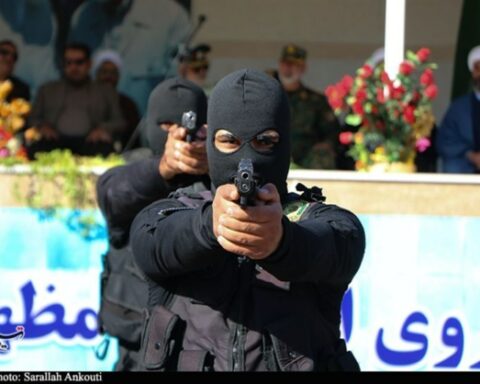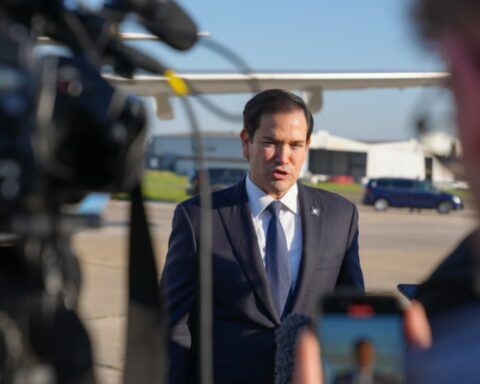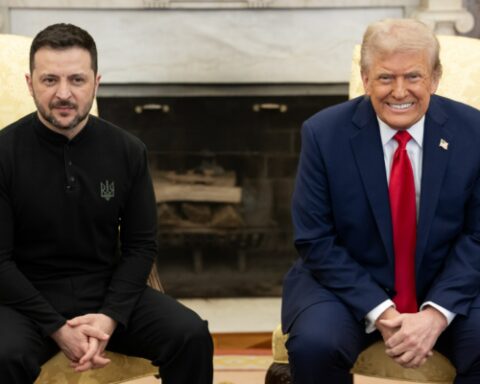

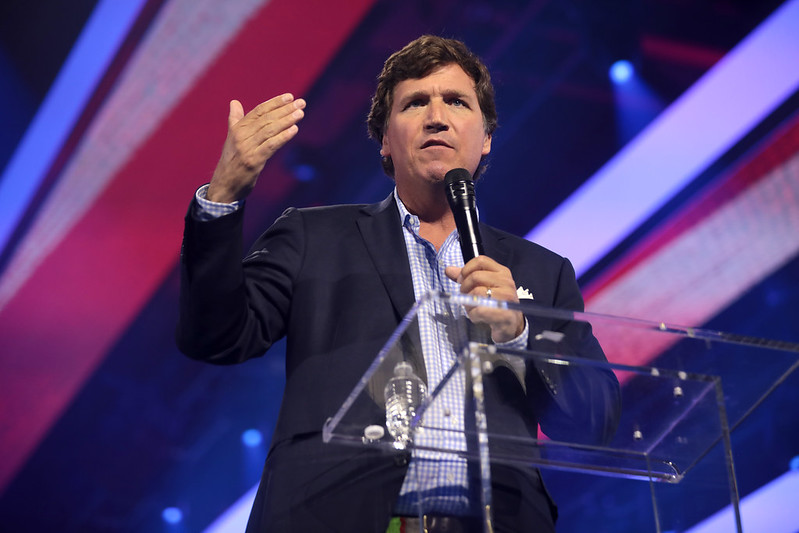
Commentator Tucker Carlson delivered a sharp rebuke of President Donald Trump this week, accusing the administration of failing the American people and losing sight of the concerns at home while focusing heavily on the conflict with Iran.
Speaking on his program, Carlson did not mince words, declaring, “You have failed,” in remarks that were clearly directed at the president, even though he did not mention Trump by name. The criticism marked a striking escalation from a figure once closely aligned with the president, reflecting broader unease among some conservatives about the direction of U.S. policy.
Carlson’s comments came as he also took aim at fellow conservative voice Mark Levin, a vocal supporter of the Iran war launched by the United States and Israel on Feb. 28. Carlson accused Levin of pushing for censorship of Americans who question the war effort, as well as backing the Israeli government’s role in advocating for military action.
Both Carlson and Levin had recently visited the White House in the lead-up to the decision to strike Iran, lobbying the president from opposing sides of the debate. Carlson framed that moment as a turning point, suggesting that voices urging caution were ultimately sidelined in favor of a more aggressive approach.
Shifting his focus squarely to the administration, Carlson argued that the president has grown disconnected from everyday Americans, accusing him of neglecting domestic concerns in favor of broader geopolitical ambitions. In a pointed critique, Carlson said leaders should be focused on understanding why Americans are frustrated and how to address their struggles, rather than pursuing far-reaching international objectives.
“You don’t want to improve Baltimore. You don’t care about Gary, Indiana. Rural America makes you sick,” Carlson said, portraying what he described as a widening gap between leadership priorities and the realities facing communities across the country.
At the center of his criticism was the Iran conflict, which Carlson described as the most significant undertaking of the administration—one he argued is not succeeding. He suggested that those in power have failed to reflect on their decisions over the past decade and instead risk blaming the public for questioning the results.
According to Carlson, the frustration surrounding the war could lead to increased pressure on Americans to support policies they may not fully back, warning that dissent could be met with criticism or dismissal. His remarks underscored a broader concern about the cost of prolonged foreign engagements, particularly when their outcomes remain uncertain.
The critique follows Carlson’s recent public apology for previously supporting Trump. In an interview with his brother, Buckley Carlson, he acknowledged regret over that endorsement, saying he was sorry for misleading people, though he insisted it was not intentional.
Carlson’s comments highlight a growing divide within conservative circles over foreign policy and the role of the United States abroad. While some continue to argue that confronting threats overseas is necessary, others are increasingly questioning whether those efforts come at the expense of addressing challenges at home.
As the debate unfolds, Carlson’s message reflects a strain of skepticism that has become more pronounced in recent years: that prioritizing large-scale international conflicts may carry consequences not just overseas, but for the American public footing the bill.
[READ MORE: Trump Weighs Long-Term Blockade Strategy as Iran Standoff Enters Uncertain Phase]