
The editorial board of The Wall Street Journal reportedly issued a blunt assessment of President Donald Trump’s handling of the ongoing conflict with Iran, arguing that Tehran no longer appears intimidated by Washington’s strategy and instead believes it can simply outlast an American administration increasingly eager to avoid a prolonged war.
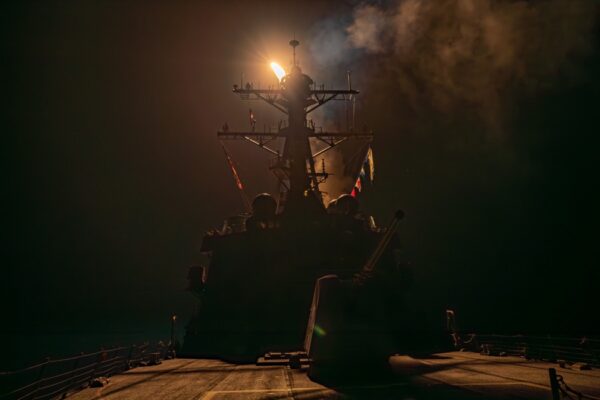
In an editorial published Monday, the board argued that Iran had repeatedly tested the limits of the fragile ceasefire through attacks on warships and incidents involving the United Arab Emirates, while the U.S. response failed to project the kind of pressure the Iranian regime fears most. The paper suggested that by maintaining the ceasefire despite continued provocations, the administration may have unintentionally signaled hesitation rather than strength.
“By clinging to the cease-fire through it all, Mr. Trump sent the wrong signal,” the editorial board wrote, adding that Iran’s leadership “clearly thinks it can outlast a President who no longer wants the fight.”
The criticism comes as the war with Iran drags beyond its second month, creating mounting political and economic strain back home. Polling on the conflict has reportedly deteriorated, while Americans continue to grapple with rising oil and gas prices tied to instability in the region. Even many voters who support a strong national defense have grown wary of open-ended overseas conflicts that carry uncertain costs and no obvious conclusion.
The Journal’s board argued that Tehran believes it can absorb economic hardship from the U.S. blockade longer than Washington can tolerate political backlash over rising fuel and petrochemical prices. “Mr. Trump will have to persuade Tehran’s leaders they’ve underestimated him—and the pain,” the editorial stated.
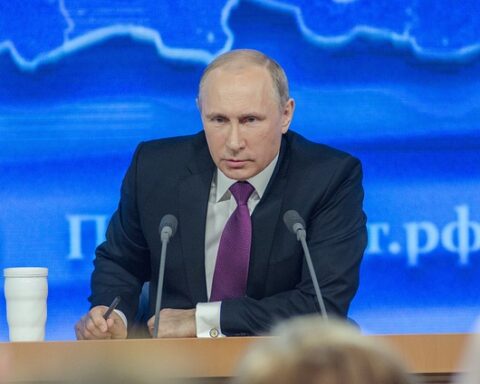
For his part, Trump has publicly insisted there is no pressure on his administration. Speaking Monday in the Oval Office, the president acknowledged that Iranian leaders may think he will eventually tire of the standoff but declared, “We’re going to have a complete victory.”
At the same appearance, however, Trump described the current ceasefire in grim terms, saying it was effectively on “life support” after rejecting Iran’s latest counteroffer regarding nuclear negotiations. The president called the ceasefire “unbelievably weak” and compared its condition to a patient given only a “1 percent chance of living.”
According to reports cited by The New York Times, Iran’s counterproposal included demands for war reparations, recognition of Iranian sovereignty over the Strait of Hormuz, and the lifting of U.S. sanctions. Trump dismissed the proposal Sunday as “totally unacceptable.”
The back-and-forth has reinforced the sense that neither side is prepared to fully back down, even as the economic consequences continue to spread. Rising energy costs and uncertainty surrounding the conflict have become major concerns for American consumers and businesses alike, underscoring how foreign wars often bring burdens far beyond the battlefield.
When asked for comment, White House spokesperson Olivia Wales defended the president’s approach, saying, “Anyone who thinks President Trump bluffs should ask Ayatollah Khamenei or Nicolas Maduro if the President means what he says.”
Still, as the conflict stretches on with no clear resolution in sight, pressure is building not only on Tehran but also on Washington to prove that military power alone can deliver lasting results without trapping the country in another costly and unpredictable struggle.
[READ MORE: Report: UAE Enters Iran Conflict With Strikes as Regional Tensions Escalate]