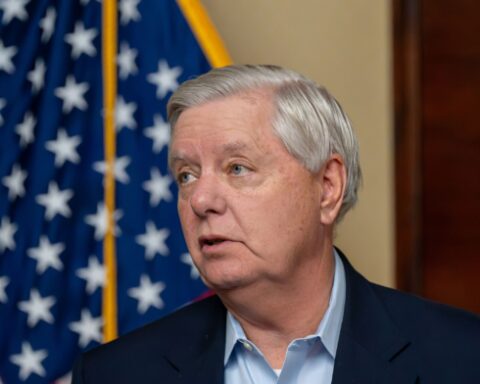


Sen. Lindsey Graham of South Carolina pushed back Friday against claims that Iran emerged stronger following its months-long conflict with the United States and Israel, calling such arguments “delusional” and insisting that the Iranian regime suffered significant setbacks during the fighting.
In a post on social media, Graham argued that the damage inflicted on Iran’s government, military capabilities, and economy had substantially weakened a nation long accused of serving as the world’s leading state sponsor of terrorism.
“To those who say Iran is stronger now than before, that is an insult to the American military and it is delusional thinking because the Iranian economy is in shambles,” Graham wrote on X.
The senator pointed to the military blows suffered by Iran and questioned whether Tehran or its regional allies remain capable of carrying out attacks on the scale of Hamas’ Oct. 7, 2023, assault against Israel. Hamas, which is backed by Iran, has itself been severely weakened by Israel’s military operations since that attack.
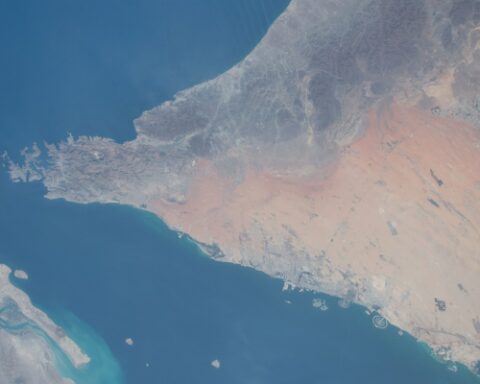
Graham’s comments come as debate continues over the memorandum of understanding reached this week between the Trump administration and Iran. The agreement formally ends hostilities between the two countries and reopens the Strait of Hormuz, a strategically important waterway through which roughly 20 percent of the world’s oil supply passes.
Reopening the strait was a major objective for President Donald Trump, who faced growing concerns about the economic consequences of the conflict. Disruptions to global energy markets posed risks not only to the broader economy but also to Republican candidates heading into elections later this year.
The agreement establishes a framework for renewed negotiations concerning Iran’s nuclear program and other issues. However, the first round of talks has already been postponed, leaving questions about the future direction of diplomacy.
While supporters argue the agreement offers an opportunity to reduce tensions and prevent further conflict, critics from across the political spectrum have raised concerns about its terms. Republicans in Congress, Democrats, and voices in Israel have all questioned whether the deal gives too much to Iran after its military setbacks.
Particular scrutiny has focused on a proposed $300 billion reconstruction fund intended to help rebuild Iran. Critics argue that such assistance could strengthen a regime that many view as responsible for instability throughout the region.
Israel has also voiced concern about provisions that would allow Iran to retain its missile capabilities. Trump has publicly stated that it would be difficult to deny Iran missiles while regional rivals such as Saudi Arabia maintain similar systems. Nevertheless, Iranian missiles have long been viewed as a serious threat by Israel, America’s closest ally in the region.
Another sensitive aspect of the agreement involves Lebanon. The deal calls for an end to fighting there, where Israel has been engaged in conflict with Hezbollah, another Iran-backed militant group. Israeli officials have expressed concern that the arrangement could limit their ability to respond to future threats.
Graham addressed those concerns directly, emphasizing that diplomacy should not come at the expense of Israel’s security.
“In the meantime, as we pursue diplomacy, make it crystal clear that Israel will not have to tolerate being attacked by Iranian proxies who cause parts of Israel to be uninhabitable,” Graham wrote.
The senator’s support for the agreement marks a notable shift from earlier in the week, when he expressed concern that Iranian officials appeared to be describing the deal differently than American negotiators.
At the time, Graham warned that he was troubled by the apparent discrepancy.
“I am somewhat concerned that Iran’s view of the agreement seems different than what the American negotiating team is claiming,” he said.
But after what he described as a “very lengthy and productive discussion” with special envoy Steve Witkoff, Graham emerged more optimistic about the arrangement.
He said reopening the Strait of Hormuz and ending hostilities represented meaningful benefits for the United States. While acknowledging that a final and verifiable agreement regarding Iran’s nuclear program remains uncertain, Graham argued there is value in pursuing diplomacy if it can reduce tensions and create conditions for broader peace.
“The economic stability that comes from opening up the Strait and the cessation of hostilities could create a pathway to peace well beyond the Iranian conflict,” Graham wrote.
[READ MORE: Iranian Reactions to Trump Deal Reveal Deep Divisions Despite Regime’s Victory Narrative]