
The United States is significantly increasing its military footprint in the Middle East, deploying thousands of additional service members aboard the aircraft carrier USS George H.W. Bush, even as President Donald Trump claims Iran has expressed interest in a ceasefire.
According to U.S. officials speaking to The Associated Press, the carrier departed Tuesday bound for the region, accompanied by three destroyers and a full carrier strike group totaling more than 6,000 sailors. The move marks the latest in a series of escalating deployments as tensions continue to rise in a conflict now stretching into its second month.
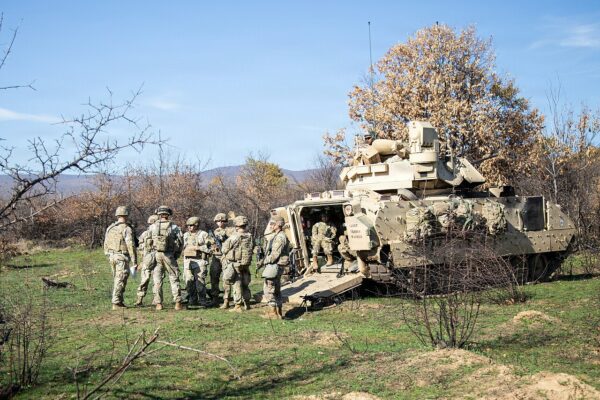
This latest show of force follows last week’s deployment of 2,500 Marines and 2,000 paratroopers from the 82nd Airborne Division. Officials have not provided details on the specific mission or role these troops will play, leaving open questions about whether the buildup is intended as a deterrent, a preparation for expanded operations, or both.
The Pentagon and U.S. Central Command, which oversees American military operations in the region, have not publicly clarified the purpose behind the additional deployments. Meanwhile, tens of thousands of U.S. service members are already stationed across the Middle East, underscoring the scale of America’s involvement as the conflict deepens.
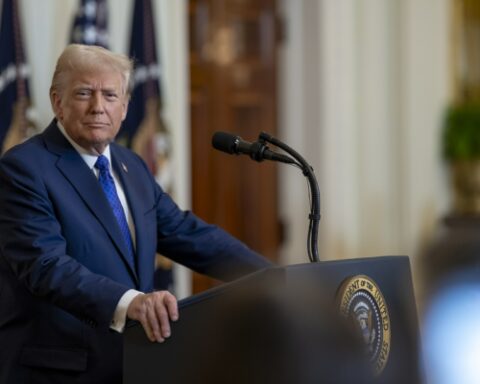
Trump has continued to project confidence that the situation could soon be resolved. In a Wednesday morning post on Truth Social, he claimed that Iran had requested a ceasefire, describing its leadership in favorable terms compared to past regimes. However, he did not identify the leader referenced or provide further details.
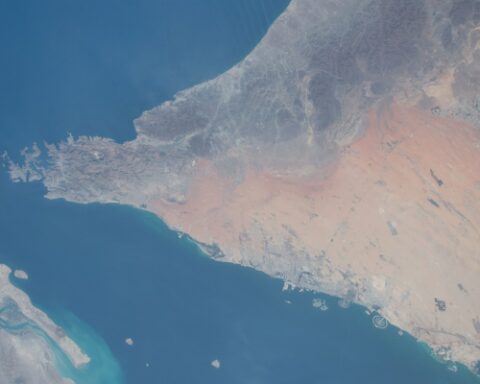
At the same time, the president paired that optimistic tone with stark warnings. He reiterated that any consideration of a ceasefire would depend on the reopening of the Strait of Hormuz, a critical global oil passageway. Until that happens, Trump signaled that military pressure would continue, using forceful language to describe potential U.S. actions against Iran.
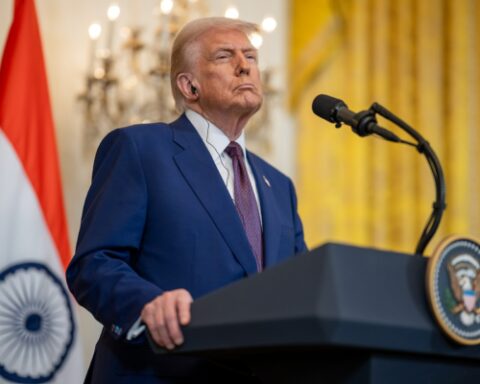
In remarks to Reuters, Trump suggested the United States could conclude its involvement “pretty quickly,” while also leaving the door open for future targeted strikes if necessary. The dual message—promising both a swift end and continued military options—reflects a strategy that remains fluid, if not deliberately ambiguous.
That ambiguity has been echoed by Defense Secretary Pete Hegseth, who emphasized that the administration is intentionally avoiding clear signals about its next steps. Speaking at a Pentagon briefing, Hegseth said the U.S. would not rule out any course of action, including the possibility of deploying ground forces inside Iran.
“We’re not going to foreclose any option,” he said, adding that unpredictability is a key component of military strategy.
The arrival of the USS George H.W. Bush will also mark a transition in naval assets. It is set to replace the USS Gerald R. Ford, which had been operating in the Red Sea until a fire on March 12 forced it to withdraw to Crete for repairs. Meanwhile, the USS Abraham Lincoln has remained deployed in the region since January.
As the U.S. continues to build its presence, the contrast between talk of a potential ceasefire and the steady movement of additional القوات highlights the uncertain path ahead. While officials maintain that the conflict could end soon, the expanding military posture suggests preparations are being made for a scenario in which it does not—an outcome that carries risks not only for those in uniform, but for a region already under strain.