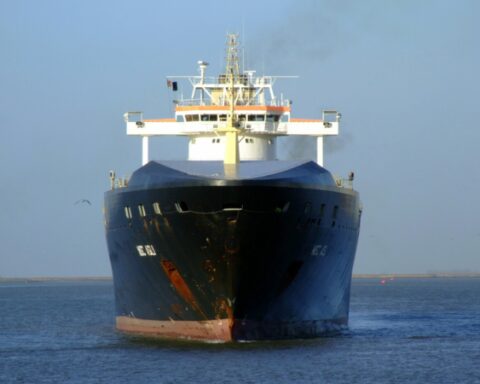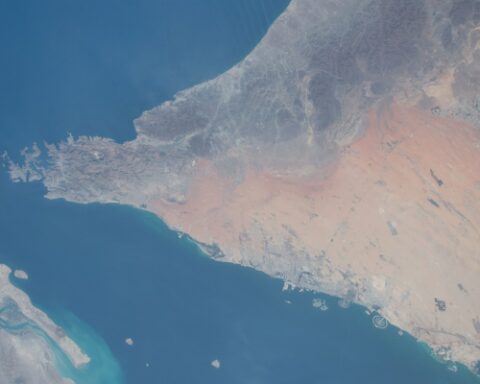

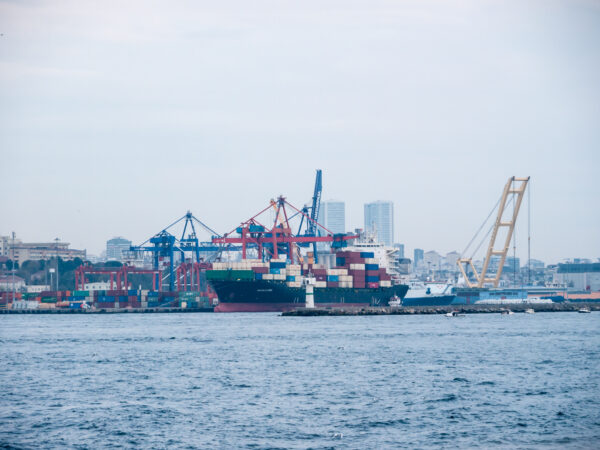
Iran has reportedly put forward a proposal to reopen the Strait of Hormuz, a critical artery for global oil shipments, offering to lift restrictions on the waterway without tying the move to its nuclear program—at least for now. According to The Associated Press, the offer would hinge on the United States halting its blockade and ending the current conflict against Tehran, with discussions on nuclear issues deferred to a later stage.
The proposal comes as the U.S.-Israeli war with Iran approaches the two-month mark, a prolonged confrontation that has tested the Trump administration’s ties with allies and weighed heavily on economic stability. The Strait of Hormuz, long viewed as a strategic chokepoint for the global energy market, has been a focal point of tension throughout the conflict.
While the offer may signal a potential opening for de-escalation, the broader situation remains complicated. Iran has reportedly caused significant damage to U.S. military infrastructure in the Gulf region. According to NBC News, sources familiar with the situation described widespread impacts, including strikes on runways, advanced radar systems, aircraft, warehouses, command centers, hangars, and satellite communications facilities.
These developments underscore the scale of the conflict and the risks tied to continued escalation. Even as diplomatic signals emerge, the costs—both strategic and economic—are becoming harder to ignore.
Over the weekend, President Donald Trump acknowledged that his administration had received a revised proposal from Iran. The update came shortly after Trump canceled a delegation’s planned trip to Pakistan, where additional peace talks had been expected to take place.
“They gave us a paper that should have been better,” Trump told reporters, according to Bloomberg. “And interestingly, immediately, when I canceled it, within 10 minutes, we got a new paper that was much better.” The remark suggested that the administration views its negotiating position as strong, with pressure tactics potentially yielding results.
Trump reinforced that stance by telling reporters that the United States holds “all the cards” in the negotiations. He also indicated a willingness to continue discussions through more flexible channels, saying that communication could take place by phone and that Iranian officials could reach out at any time.
The Iranian offer, if taken at face value, appears narrowly focused on immediate economic and strategic concerns—namely, restoring access to a vital shipping route—while postponing more contentious issues like its nuclear ambitions. That sequencing could present both an opportunity and a challenge for negotiators seeking a broader resolution.
For now, the situation reflects a familiar dynamic: gestures toward diplomacy emerging alongside ongoing conflict. While reopening the Strait of Hormuz could ease pressure on global markets and signal a step back from confrontation, the absence of immediate progress on deeper disputes suggests that any resolution may remain partial and fragile.
As both sides weigh their next moves, the question is whether tactical offers can translate into lasting stability—or whether they simply buy time in a conflict that continues to carry significant consequences.