
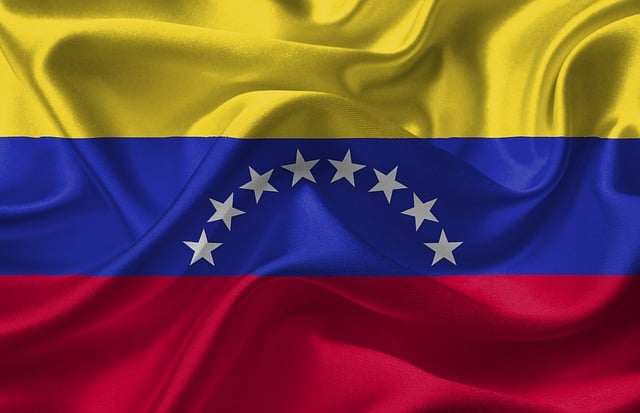
A Miami federal jury on Friday delivered a guilty verdict against former Florida Congressman David Rivera, concluding a high-profile case that underscores the risks of foreign influence inside Washington—even as it raises broader questions about how U.S. policy abroad is shaped.
Rivera, a Republican who once represented South Florida, was convicted of conspiracy and other charges tied to a multimillion-dollar lobbying effort on behalf of Venezuela’s government. His associate, consultant Esther Nuhfer, was also found guilty. Prosecutors argued the pair violated the Foreign Agents Registration Act, commonly known as FARA, by failing to disclose their work on behalf of a foreign entity while lobbying U.S. officials.
FARA, enacted in 1938, requires anyone acting politically on behalf of foreign governments or interests to register and publicly disclose their activities. The law is designed to prevent covert foreign influence in American policymaking—something prosecutors said Rivera and Nuhfer deliberately concealed.
During the five-week trial, prosecutors presented evidence that a U.S.-based affiliate of Venezuela’s state-run oil company hired Rivera’s consulting firm in 2017 and 2018. The goal, according to the government’s case, was to ease tensions between Washington and Caracas and ultimately roll back U.S. sanctions on the South American nation.
The case also drew attention because of Rivera’s political connections. He is a longtime friend and former roommate of Secretary of State Marco Rubio. Rubio, along with Texas Congressman Pete Sessions and a prominent Washington lobbyist, testified that they were unaware of Rivera’s consulting arrangement with the Venezuelan-linked entity.
Prosecutors further alleged that Rivera and Nuhfer were recruited by then-Venezuelan Foreign Minister Delcy Rodríguez to push the Trump administration to ease oil-related restrictions. According to the indictment, the pair entered into a lucrative agreement that promised payments totaling $50 million, though only about $20 million was ultimately received before the contract was terminated.
The defense, however, painted a very different picture. Attorneys for Rivera and Nuhfer argued that the work was conducted in good faith and that the pair believed they were not required to register under FARA. They maintained the contract centered on commercial efforts—specifically attempting to bring ExxonMobil back into Venezuela—which typically would not trigger the same disclosure requirements.
Still, prosecutors pointed to evidence suggesting the defendants were aware of the legal obligations, including draft FARA disclosure letters discussed privately between the two.
Notably, despite the lobbying effort, the Trump administration did not ease sanctions on Venezuela. In fact, President Donald Trump moved early in his first term to impose sanctions on the government of Venezuelan leader Nicolás Maduro, signaling a continued hardline stance.
Following the verdict, U.S. District Judge Melissa Damian ordered Rivera into custody, citing concerns he could flee given the seriousness of the charges and his financial resources. A day earlier, she had denied his request to modify bond conditions for travel, pointing to similar concerns.
Rivera, who was first arrested in 2022, now faces additional federal charges in Washington, D.C., tied to a related foreign lobbying case. He has also been the subject of multiple past investigations into campaign-related conduct.
The case serves as a reminder that even in an era defined by geopolitical tensions and economic pressure campaigns, the line between diplomacy, lobbying, and influence can become blurred. And while Washington often projects strength abroad, cases like this highlight the importance—and difficulty—of maintaining transparency at home.
[READ MORE: Trump Declares U.S. Has ‘Already Won’ Iran War, Pushes for Stronger Outcome]