
A jihadist group aligned with al Qaeda is now reportedly on the verge of capturing control of Mali, a West African nation long considered a key front in the global fight against Islamic extremism.
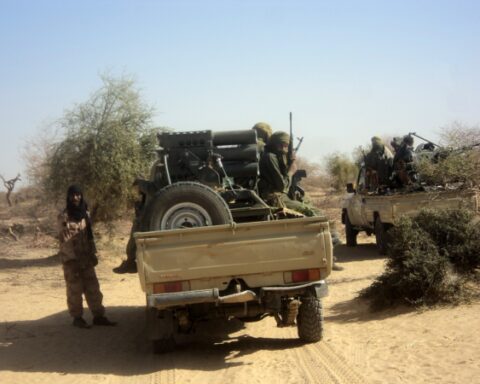
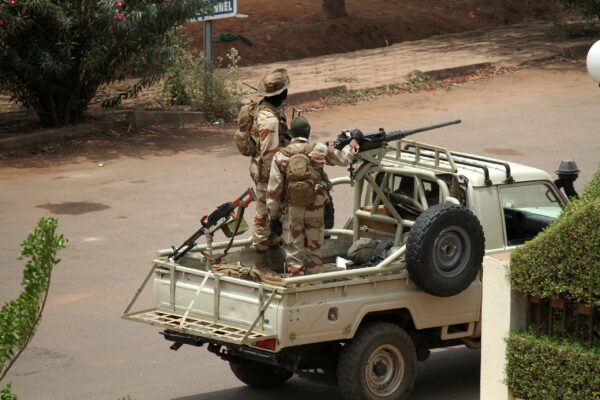
The group, known as Jama’at Nusrat al-Islam wal-Muslimin, or JNIM, has surrounded the capital city of Bamako, cutting off access to food and electricity and setting the stage for what observers warn could be a complete takeover.
The siege, which began late last week, marks the culmination of JNIM’s steady territorial advance across Mali. Formed in 2017 through the merger of several al Qaeda affiliates, the group has imposed harsh Islamic rule over the areas it now controls.
The brutality of that rule was on display last Friday, when militants kidnapped and publicly beheaded Mariam Cisse, a popular TikTok personality, in a city square.
According to the United Nations, JNIM is now the best-armed and most coordinated jihadist force in the Sahel, the region stretching across the southern Sahara. UN officials have warned that if the siege continues, Bamako could fall within weeks—a development that would mark the first time a U.S.-designated terrorist organization has seized control of an entire nation.
American and European officials view the situation as a devastating consequence of waning Western influence in Africa. JNIM maintains close operational ties to al Qaeda leaders in Afghanistan and Pakistan, who are believed to have provided training in explosives and guerrilla warfare. Those links have made JNIM’s forces far more sophisticated than other regional insurgent movements.
The group’s rise coincides with the retreat of Russian mercenaries who once operated across Mali under the banner of the Wagner Group. For years, the Kremlin-backed outfit had served as a counterweight to jihadist expansion in exchange for mining concessions and political leverage. But as Russia’s war in Ukraine continues to drain its resources, its presence in Africa has sharply diminished.
In March 2024, satellite evidence was reported of renewed Russian activity at a military base near Bamako’s Modibo Keita International Airport. Yet analysts say Moscow’s shifting priorities left a vacuum that JNIM quickly filled. With Mali’s underfunded defense forces struggling to mount an effective response, the militants have encountered little resistance in their push toward the capital.
If Bamako falls, security experts warn the implications could be far-reaching. The takeover of a sovereign state by an al Qaeda affiliate would embolden jihadist networks across Africa and the Middle East and present new challenges for the West’s counterterrorism strategy. It would also underscore the fragility of Western-backed governments across the Sahel, where Islamist groups have exploited weak institutions, poverty, and political instability to gain ground.
While the Biden administration has not yet commented publicly on the crisis, critics argue that the lack of a coherent U.S. or NATO presence in the region has allowed extremist forces to flourish unchecked. For Malians now trapped inside a besieged capital, the consequences of that vacuum are becoming tragically clear.
[READ MORE: Trump Welcomes Syria’s New President, a Former Al Qaeda Leader, as Ally in Fight Against ISIS]