
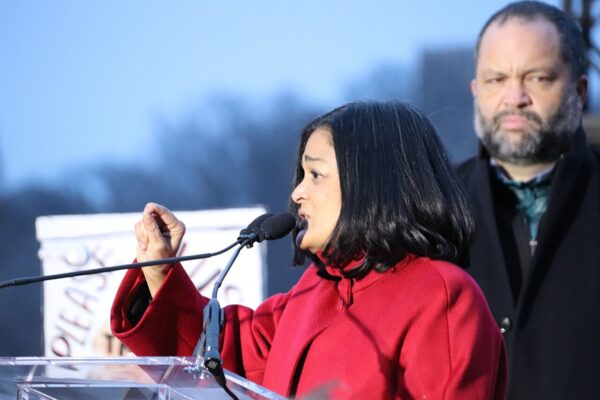
Rep. Pramila Jayapal revealed Monday that she has been working with foreign officials to help Cuba obtain oil, even as President Donald Trump intensifies economic pressure on the island’s communist government through sweeping sanctions and tariff threats.
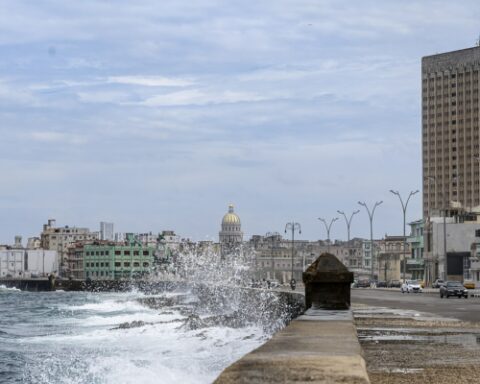
Speaking at an event following a recent visit to Cuba, Jayapal described what she called a worsening humanitarian and energy crisis on the island. She said the situation deteriorated sharply after Trump issued an executive order in January threatening tariffs on any country that supplies fuel to Cuba. The policy dramatically reduced oil shipments reaching the island, particularly after Venezuelan deliveries were halted.
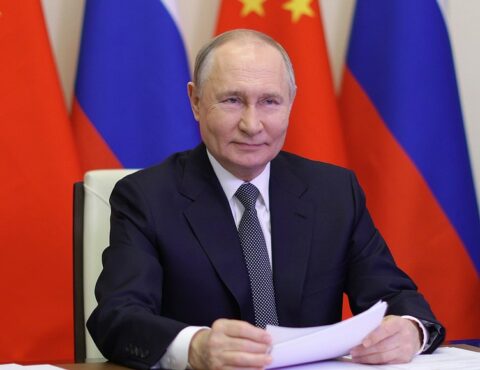
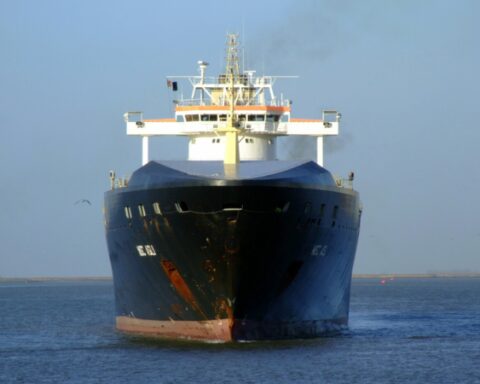
Jayapal explained that Cuba had largely relied on oil from Venezuela before those shipments stopped. According to her remarks, only one Russian oil tanker had recently reached Cuba, providing what she estimated was enough fuel for only 10 to 14 days of the country’s needs. She added that Russia had pledged another shipment and said she had personally spoken with ambassadors from Mexico and other Latin American countries about ways to help get oil to the island.
The Washington Democrat framed the sanctions as deeply damaging to Cuba’s infrastructure, comparing the economic measures to acts of war. She argued that broad sanctions targeting energy access effectively cripple essential systems and push the country toward collapse. Jayapal called the sanctions “an economic bombing of the infrastructure of Cuba,” while also criticizing expanded penalties announced by Trump on May 1.
The administration’s latest executive order widened sanctions against entities connected to Cuba’s government and opened the door to penalties against foreign banks and firms doing business with the country. The measures also reinforced restrictions on U.S. tourism to the island. Reuters reported that the sanctions target sectors including energy, finance, defense, mining, and security as part of the administration’s broader campaign to increase pressure on Havana.
Trump has steadily escalated his rhetoric toward Cuba in recent months. In March, the president went so far as to suggest the United States could potentially “take” Cuba, describing the country as “very weakened.” The remarks reflected the administration’s increasingly aggressive posture toward the communist regime, which officials have tied to broader national security concerns involving countries such as Russia and Iran.
Jayapal has been outspoken in opposing that strategy. Earlier this year, she and other Democratic lawmakers visited Cuba and criticized what they described as an “energy blockade” that has contributed to blackouts and fuel shortages across the island.
The clash highlights a growing divide in Washington over how the United States should deal with adversarial governments. Supporters of Trump’s approach argue that economic pressure is necessary to weaken hostile regimes and protect American interests. Critics, meanwhile, contend that ordinary civilians often bear the heaviest burden when sanctions target essential infrastructure like fuel and electricity.
As tensions continue, the situation surrounding Cuba serves as another reminder of how foreign policy disputes can quickly evolve into broader humanitarian and geopolitical struggles. Even when military force is not directly involved, economic warfare can still carry serious consequences far beyond government leaders and political elites.