
British voters delivered a sharp rebuke to Prime Minister Keir Starmer and his Labour Party in Thursday’s local elections, signaling growing dissatisfaction with the country’s political leadership and opening the door for insurgent movements to gain ground.
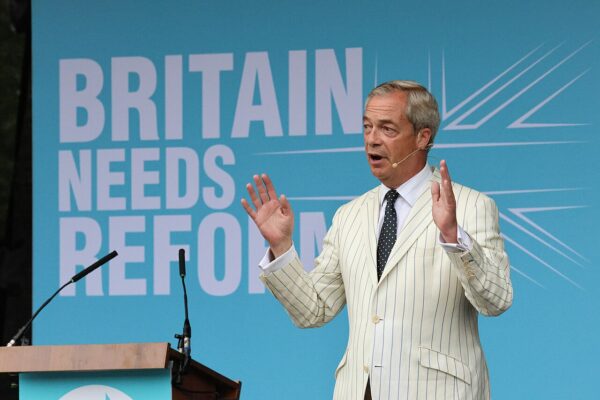
Early results painted a sobering picture for Labour. The party lost nearly 260 council seats, many in areas long considered strongholds, while Nigel Farage and his right-leaning Reform UK party surged ahead with close to 400 gains. The outcome marks a significant political shift less than two years after Starmer’s sweeping 2024 general election victory.
The elections spanned more than 5,000 local government positions across England, comparable in scope to county and city council races in the United States. Voters also cast ballots in mayoral contests and regional elections in Scotland and Wales, making the results a broad test of national sentiment.
Farage, a longtime ally of Donald Trump and a prominent advocate of stricter immigration policies, framed the outcome as a rejection of the political establishment. As results came in, he described the moment as “an historic shift,” arguing that it represents a fundamental reshaping of British politics.
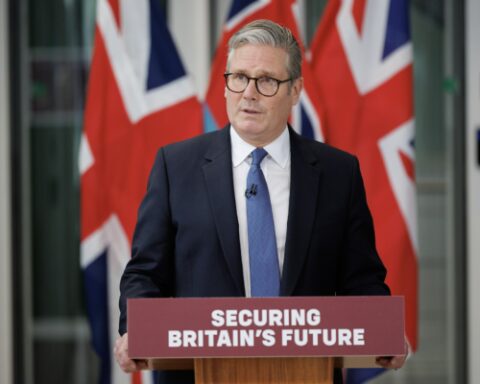
The scale of Labour’s losses quickly intensified pressure on Starmer, whose leadership has already been tested by criticism over policy reversals and inconsistent messaging. Issues such as taxes, immigration, welfare, and proposed digital identification measures have drawn scrutiny, contributing to unease among both supporters and critics.
Adding to the challenges, Starmer has faced questions over vetting decisions within his government, including the appointment of Peter Mandelson as ambassador to Washington despite past associations that have drawn controversy. These developments have compounded concerns about judgment and direction at the highest levels of leadership.
Speaking after the results, Starmer acknowledged the severity of the setback, calling the outcome “very tough” and admitting it “hurt.” Still, he signaled no intention of stepping down, insisting that difficult moments would not deter him from pursuing the agenda he promised voters.
Labour’s losses were not confined to one side of the political spectrum. While Reform UK made inroads among voters on the right, the party also saw support slip to the Greens among younger, more progressive voters. Discontent among that group has been fueled in part by Starmer’s firmer stance on immigration and a cautious economic approach that has failed to energize parts of his base.
The Conservative Party also experienced setbacks, underscoring a broader erosion of confidence in Britain’s traditional two-party system. The combined losses for both Labour and the Conservatives suggest that voters are increasingly willing to look beyond established parties in search of alternatives.
The results highlight a political landscape in flux, with rising frustration translating into tangible electoral shifts. While local elections often serve as a barometer rather than a definitive verdict, the scale of these changes points to deeper currents within the electorate.
For now, Farage and Reform UK appear to have seized momentum, positioning themselves as a potential force heading into the next general election cycle. At the same time, Labour faces the difficult task of regaining trust while navigating internal and external pressures.
The outcome serves as a reminder that political upheaval, even outside the context of international conflict, can carry lasting consequences. When public confidence erodes, the resulting shifts can reshape institutions and alliances in ways that echo far beyond a single election cycle.