
A sharp increase in U.S. military intelligence flights near Cuba is reportedly drawing new attention to rising tensions between Washington and Havana, with the activity reportedly resembling patterns seen before previous American operations involving Venezuela and Iran.
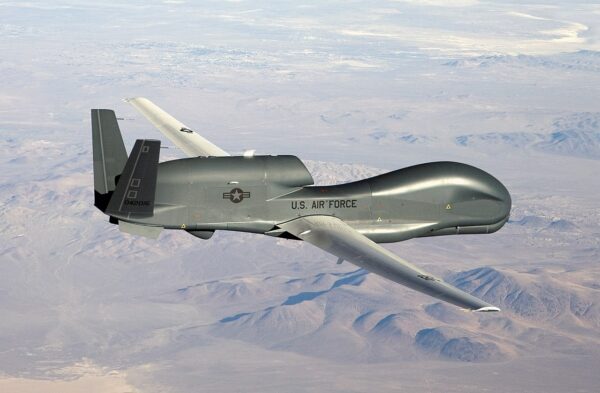
According to a CNN analysis cited Sunday, the U.S. Navy and Air Force have carried out more than 25 intelligence-gathering missions near the Cuban coast since February. The flights, conducted by both aircraft and drones, have largely focused on areas surrounding Havana and Santiago de Cuba. Some reportedly came within 40 miles of the island, according to publicly available tracking data from FlightRadar24.
The missions involved several high-profile surveillance platforms, including the P-8A Poseidon, the RC-135V Rivet Joint, and the MQ-4C Triton. These aircraft are designed for intelligence collection and reconnaissance, and the report noted that their visible presence near Cuba marks a significant change from prior years, when such publicly traceable flights in the area were considered rare.
CNN’s report suggested the timing of the flights is especially notable given President Donald Trump’s increasingly aggressive rhetoric toward Cuba in recent months. Trump has repeatedly criticized the communist government and claimed the regime was weakening following the January capture and arrest of Venezuelan leader Nicolás Maduro.
Days after those remarks, the administration imposed an oil blockade on Cuba. According to the article, the blockade contributed to a collapse of the island’s electrical grid in March as fuel supplies dwindled.
Trump has also openly discussed the possibility of a U.S. “takeover” of Cuba. In comments to Fox News correspondent Peter Doocy, the president said, “Whether I free it, take it. I think I can do anything I want with it, you want to know the truth.” He added that Cuba was “a very weakened nation.”
The report drew parallels between the current buildup around Cuba and earlier military surveillance activity seen before operations involving Venezuela and Iran. The same aircraft now appearing near Cuban airspace were reportedly used during intelligence operations connected to the Iran conflict.
CNN also noted that the aircraft involved are capable of masking their locations from public tracking systems, raising questions about whether the flights are being intentionally made visible as a strategic signal. The Pentagon declined to comment on the findings.
Meanwhile, Secretary of State Marco Rubio intensified the administration’s rhetoric last week, calling Cuba’s leadership “incompetent communists” while announcing additional sanctions against the island. In a statement, the administration described Cuba as a “pressing national security threat” and accused the regime of turning the island into a platform for foreign intelligence and military operations.
The administration also indicated that additional sanctions could follow in the coming weeks.
The developments come amid growing tension throughout the region and renewed debate over America’s role abroad. While supporters of a hardline approach argue that communist regimes should not be allowed to threaten U.S. interests so close to home, the visible military buildup has also revived concerns about escalation and the heavy costs that can accompany prolonged foreign confrontations.
For now, the flights continue, and the message from Washington appears unmistakably forceful—even as questions linger about where the mounting pressure may ultimately lead.